Imagine waking up one morning to find an extra $5,000 in your bank account. No, you didn’t win the lottery, and no, your long-lost millionaire uncle didn’t suddenly remember you exist. Instead, it’s a special refund, courtesy of Elon Musk and a newly proposed initiative called the Doge Dividend. Sounds wild, right? Well, let’s dive in and see if this is actually happening or just another Twitter fever dream that caught fire.
What’s the Deal with the Doge Dividend?
First off, no—this has nothing to do with Dogecoin. I know, I know, the name is misleading, but bear with me. The “Doge Dividend” is actually linked to something called the Department of Government Efficiency (DOGE). The basic idea? Cut government waste, save billions of dollars, and then send out $5,000 refund checks to every American taxpayer.
The whole thing went viral after a post on X (formerly Twitter) suggested that Donald Trump and Elon Musk team up to announce a tax refund check funded entirely by government efficiency savings. And just like that, crypto blogs, finance YouTubers, and even news outlets like Fox News started buzzing. Could this actually happen?
Will You Really Get $5,000?
Short answer: probably not anytime soon. Long answer: it’s complicated.
First off, this proposal isn’t law, nor is it officially endorsed by the government—at least, not yet. While Elon Musk is an adviser, he doesn’t have the power to unilaterally approve tax refunds. That would require approval from both the President and Congress. And last I checked, getting those two to agree on anything is about as easy as convincing my dog that going to the vet is, in fact, a fun adventure.
But let’s say this does get traction. The proposal suggests taking 20% of the total savings from cutting wasteful government spending and redistributing it to taxpayers as a one-time check. The remaining 80%? That would go toward paying down America’s ever-growing national debt (which is currently about as terrifying as a horror movie plot).
The Math Behind the Madness
DOGE has reportedly already saved around $50–55 billion in just a month or so.
The long-term goal? Cut up to $2 trillion in wasteful spending.
If 20% of those savings were distributed, it would amount to $400 billion—enough to give roughly $5,000 per household in the U.S.
But hold up—there’s a catch. The viral proposal initially suggested that every individual (not just households) would receive $5,000. Given that the U.S. has around 341 million citizens, that would cost a cool $1.7 trillion—almost the entire amount DOGE is hoping to save over four years.
More realistically, if the checks were only given to those who pay taxes (around 155 million people), the total cost would be about $775 billion, which is still… a lot.
But, Wouldn’t This Just Bring Back Inflation?
Ah yes, the not-so-small issue of inflation, aka the reason your grocery bill now makes you rethink every financial decision you’ve ever made.
We’ve seen this movie before. After the 2020 and 2021 stimulus checks, inflation skyrocketed to the highest levels in 40 years. One study from MIT estimated that about 42% of the early 2022 inflation spike was due to massive federal spending.
So naturally, people are asking: Would this Doge Dividend cause inflation all over again? Probably—unless the money was strictly coming from savings without new government spending.
If Washington started handing out these checks before the savings were fully realized, they’d have to reshuffle budgets, pull funds from elsewhere, or, worse yet, issue new government debt. And when the government injects massive amounts of money into the economy, prices tend to rise.
(Translation: Don’t get too excited about those refund checks just yet.)
Is This Actually a Smart Idea?
On paper, the logic makes sense—cut wasteful spending and return some of that money to taxpayers. And let’s be real, the government has wasted money on some truly bizarre things (I’m looking at you, $10 million for voluntary medical male circumcision programs in Mozambique). So if DOGE really can save hundreds of billions, why not give some of it back?
But the big challenges remain: How much can actually be saved? How long will it take? And will politicians agree on where the money goes? The U.S. government isn’t exactly known for its speed or efficiency, so this could take years, if it even happens at all.
Final Thoughts
As of right now, the chances of this happening are pretty slim, but not impossible. If DOGE does continue its aggressive cost-cutting and actually hits its ambitious savings goals, we might see some sort of taxpayer refund—just probably not a no-strings-attached $5,000 check anytime soon.
What do you think? Would you support something like this, or are you worried about inflation coming roaring back? Drop your thoughts (and even your best conspiracy theories) in the comments!
TL;DR:
The Doge Dividend is a viral proposal suggesting each taxpayer gets a $5,000 refund from government savings.
Elon Musk and Donald Trump are linked to the idea, but nothing is official yet.
It could technically be funded without inflation issues, but only if enough money is saved first.
Realistically, this idea would take years to materialize (if it ever does).
Inflation is the elephant in the room if this isn’t handled properly.
“`
Imagine waking up one morning to find an extra $5,000 in your bank account. No, you didn’t win the lottery, and no, your long-lost millionaire uncle didn’t suddenly remember you exist. Instead, it’s a special refund, courtesy of Elon Musk and a newly proposed initiative called the Doge Dividend. Sounds wild, right? Well, let’s dive in and see if this is actually happening or just another Twitter fever dream that caught fire.
What’s the Deal with the Doge Dividend?
First off, no—this has nothing to do with Dogecoin. I know, I know, the name is misleading, but bear with me. The "Doge Dividend" is actually linked to something called the Department of Government Efficiency (DOGE). The basic idea? Cut government waste, save billions of dollars, and then send out $5,000 refund checks to every American taxpayer.
The whole thing went viral after a post on X (formerly Twitter) suggested that Donald Trump and Elon Musk team up to announce a tax refund check funded entirely by government efficiency savings. And just like that, crypto blogs, finance YouTubers, and even news outlets like Fox News started buzzing. Could this actually happen?
Will You Really Get $5,000?
Short answer: probably not anytime soon. Long answer: it’s complicated.
First off, this proposal isn’t law, nor is it officially endorsed by the government—at least, not yet. While Elon Musk is an adviser, he doesn’t have the power to unilaterally approve tax refunds. That would require approval from both the President and Congress. And last I checked, getting those two to agree on anything is about as easy as convincing my dog that going to the vet is, in fact, a fun adventure.
But let’s say this does get traction. The proposal suggests taking 20% of the total savings from cutting wasteful government spending and redistributing it to taxpayers as a one-time check. The remaining 80%? That would go toward paying down America’s ever-growing national debt (which is currently about as terrifying as a horror movie plot).
The Math Behind the Madness
DOGE has reportedly already saved around $50–55 billion in just a month or so.
The long-term goal? Cut up to $2 trillion in wasteful spending.
If 20% of those savings were distributed, it would amount to $400 billion—enough to give roughly $5,000 per household in the U.S.
But hold up—there’s a catch. The viral proposal initially suggested that every individual (not just households) would receive $5,000. Given that the U.S. has around 341 million citizens, that would cost a cool $1.7 trillion—almost the entire amount DOGE is hoping to save over four years.
More realistically, if the checks were only given to those who pay taxes (around 155 million people), the total cost would be about $775 billion, which is still... a lot.
But, Wouldn’t This Just Bring Back Inflation?
Ah yes, the not-so-small issue of inflation, aka the reason your grocery bill now makes you rethink every financial decision you've ever made.
We’ve seen this movie before. After the 2020 and 2021 stimulus checks, inflation skyrocketed to the highest levels in 40 years. One study from MIT estimated that about 42% of the early 2022 inflation spike was due to massive federal spending.
So naturally, people are asking: Would this Doge Dividend cause inflation all over again? Probably—unless the money was strictly coming from savings without new government spending.
If Washington started handing out these checks before the savings were fully realized, they’d have to reshuffle budgets, pull funds from elsewhere, or, worse yet, issue new government debt. And when the government injects massive amounts of money into the economy, prices tend to rise.
(Translation: Don’t get too excited about those refund checks just yet.)
Is This Actually a Smart Idea?
On paper, the logic makes sense—cut wasteful spending and return some of that money to taxpayers. And let’s be real, the government has wasted money on some truly bizarre things (I’m looking at you, $10 million for voluntary medical male circumcision programs in Mozambique). So if DOGE really can save hundreds of billions, why not give some of it back?
But the big challenges remain: How much can actually be saved? How long will it take? And will politicians agree on where the money goes? The U.S. government isn't exactly known for its speed or efficiency, so this could take years, if it even happens at all.
Final Thoughts
As of right now, the chances of this happening are pretty slim, but not impossible. If DOGE does continue its aggressive cost-cutting and actually hits its ambitious savings goals, we might see some sort of taxpayer refund—just probably not a no-strings-attached $5,000 check anytime soon.
What do you think? Would you support something like this, or are you worried about inflation coming roaring back? Drop your thoughts (and even your best conspiracy theories) in the comments!
TL;DR:
The Doge Dividend is a viral proposal suggesting each taxpayer gets a $5,000 refund from government savings.
Elon Musk and Donald Trump are linked to the idea, but nothing is official yet.
It could technically be funded without inflation issues, but only if enough money is saved first.
Realistically, this idea would take years to materialize (if it ever does).
Inflation is the elephant in the room if this isn’t handled properly.
More Articles
Getting licensed or staying ahead in your career can be a journey—but it doesn’t have to be overwhelming. Grab your favorite coffee or tea, take a moment to relax, and browse through our articles. Whether you’re just starting out or renewing your expertise, we’ve got tips, insights, and advice to keep you moving forward. Here’s to your success—one sip and one step at a time!
Skyrocketing insurance premiums and soaring rebuilding costs are transforming communities across Southwest Florida, especially in the wake of Hurricane Ian. As longtime residents struggle to keep up with rising financial pressure, wealthier newcomers and stricter building standards are reshaping the identity of places like Fort Myers Beach. With insurance rates now driving home sales, triggering potential foreclosures, and squeezing both owners and renters, Florida’s middle-class families face a growing question: can they afford to stay in the state they love?
Florida’s insurance industry is stabilizing fast, with nearly 1.6 million policies shifting from Citizens to private insurers and litigation dropping sharply. Regulators report stronger market confidence, decreasing premiums, and renewed competition—signaling one of the healthiest periods the state has seen in years.
A Leon County judge has ordered the restart of arbitration for Citizens Property Insurance claims, directly conflicting with a previous ruling that halted the process as potentially unconstitutional. With more than 400 cases now back in motion, real estate, insurance, and mortgage professionals can expect renewed activity in claim disputes and fresh uncertainty as Florida courts clash over the legality of Citizens’ arbitration system.
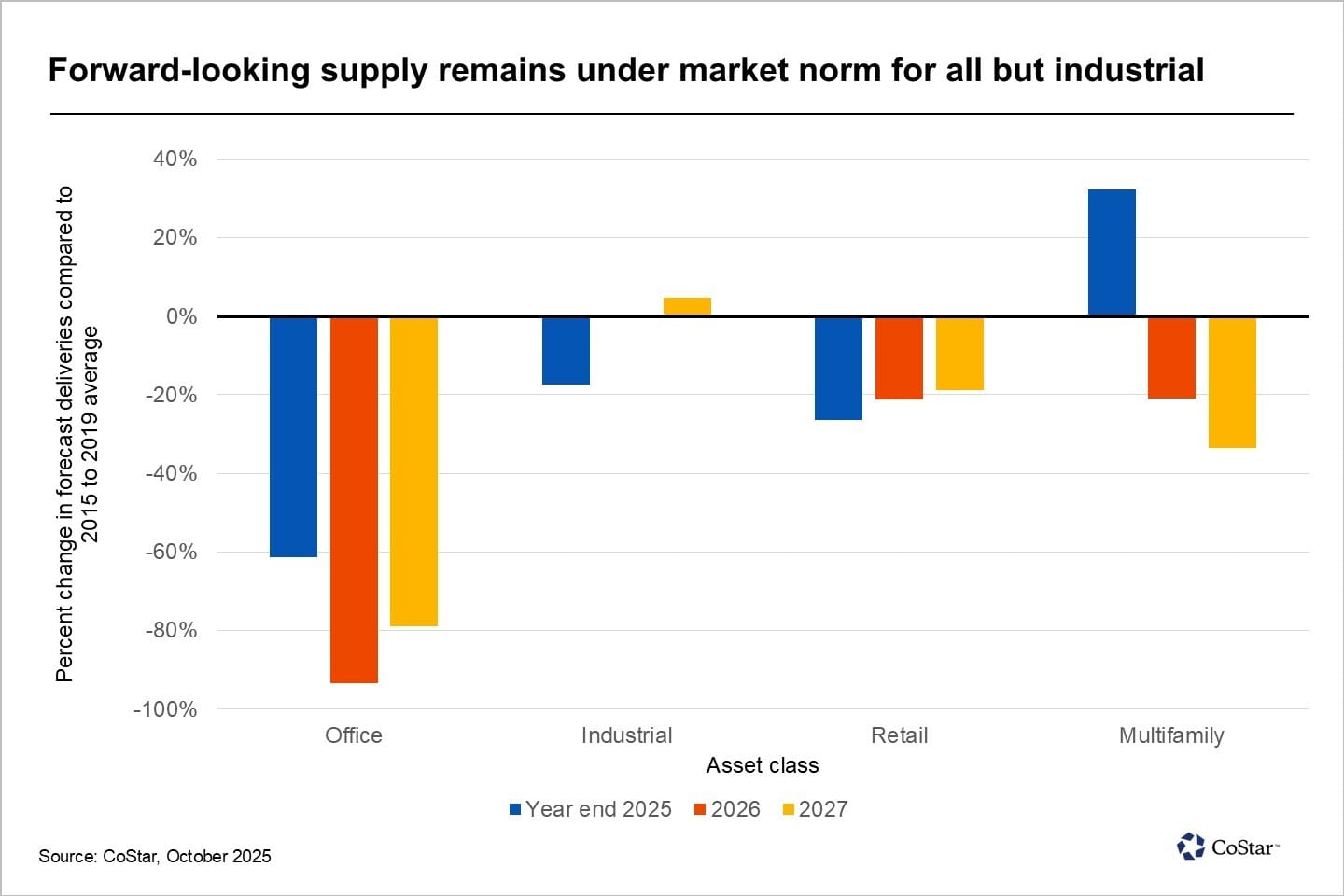
The DFW market is transitioning into a new construction phase marked by a slowdown in office development, a more selective approach to industrial projects, and an evolving housing landscape shaped by affordability and population growth. Developers are recalibrating their priorities, and for real estate professionals, understanding these shifts offers a critical edge in navigating—and capitalizing on—the next phase of the metroplex’s growth.
A new federal lawsuit claims Zillow pushed homebuyers toward Zillow Home Loans by rewarding affiliated agents with valuable leads — all without proper disclosure. The suit alleges undisclosed incentives, referral quotas, and potential RESPA violations, raising major concerns about steering, fiduciary duties, and Zillow’s expanding mortgage ambitions.
The mortgage industry is evolving fast, and the lenders who come out on top will be those who innovate without uprooting what already works. By building on strong technology foundations, streamlining workflows and adopting smart automation, lenders can reduce costs, improve customer experience and stay resilient in any market cycle. This article breaks down why innovation matters now, how a stable tech ecosystem protects lenders in volatile conditions and why small, strategic steps can drive long-term transformation.