The promise of artificial intelligence (AI) in the field of oncology is nothing short of revolutionary. As the world grapples with the complexities of cancer, AI is emerging as a potential game-changer in diagnostics, treatment personalization, and drug discovery. However, this technological marvel also raises the question: is AI in oncology truly transformative, or is it just another bubble waiting to burst?
According to Labiotech.eu, the integration of AI into oncology is reshaping our understanding of cancer care. This transformation is evident in the strides made in cancer diagnostics, particularly in radiology, where AI’s advanced image analytics are enhancing early detection capabilities. Ryan Schoenfeld, CEO of the Mark Foundation for Cancer Research, emphasizes AI’s ability to analyze scans with unprecedented speed and accuracy.
Yet, not everyone is convinced of AI’s superiority. Philip Lieberman of Analog Informatics points out that while AI may not surpass human technicians in accuracy, its consistency and ability to identify subtle artifacts make it a valuable adjunct technology, especially in underserved regions.
AI’s Role in Drug Discovery
AI’s potential extends beyond diagnostics, significantly impacting drug discovery. Traditional drug development is a lengthy and complex process, but AI tools like DeepMind’s AlphaFold have accelerated the identification of new therapeutic targets by predicting protein structures with remarkable precision. This capability has been pivotal in developing drugs such as BBO-8520, targeting KRAS mutations, which reached clinical trials in record time.
Moreover, companies like Exscientia are utilizing AI to fast-track the discovery of oncology treatments, achieving milestones in months rather than years. The collaboration between AI and drug discovery is paving the way for a new era of precision medicine.
Precision Oncology and Personalized Treatment
The future of cancer treatment lies in precision oncology, where AI’s ability to analyze vast datasets enables the creation of personalized treatment plans. Although experts like Jason Williams from the Williams Cancer Institute acknowledge that we are not fully there yet, the potential for AI to tailor therapies based on individual patient profiles is undeniable.
Recent studies, such as those conducted by Oxford University, showcase AI’s capacity to develop adaptive therapy schedules, significantly delaying cancer relapse.
Challenges and Future Prospects
Despite the promising advancements, the integration of AI in oncology is not without challenges. Regulatory frameworks, such as the European Commission’s AI Liability Directive, are still evolving, leaving uncertainties in accountability and liability. Moreover, the complexity and opacity of AI systems, often referred to as “black boxes,” demand greater transparency and explainability.
Ethical concerns also arise, particularly regarding bias in AI models trained on non-representative data. Addressing these issues is crucial for AI to realize its full potential in cancer care.
The Road Ahead
As we look to the future, AI’s role in oncology is poised to expand further. Experts predict advancements in predicting immune responses, creating designer proteins, and leveraging large language models for predictive analytics. The intersection of AI and biology promises a new frontier in personalized, precise, and predictive medicine.
While the hype surrounding AI in oncology may warrant caution, the tangible contributions it is making cannot be overlooked. The journey toward fully harnessing AI’s potential in cancer treatment is ongoing, and the best is indeed yet to come.
More Articles
Getting licensed or staying ahead in your career can be a journey—but it doesn’t have to be overwhelming. Grab your favorite coffee or tea, take a moment to relax, and browse through our articles. Whether you’re just starting out or renewing your expertise, we’ve got tips, insights, and advice to keep you moving forward. Here’s to your success—one sip and one step at a time!
Artificial intelligence has shifted from a novelty to a defining force in real estate, transforming everything from listing creation to virtual staging while raising new legal and ethical risks. As AI adoption accelerates, experts warn that the agents who embrace automation and new tools now will gain a major competitive edge, while those who delay could fall behind in a rapidly evolving industry.
As AI and automation reshape the workforce, one form of career protection remains as powerful as ever: earning a state license. From real estate to trades to finance, licensed professionals stay in high demand because their work requires proven competence, accountability and human judgment—qualities technology can enhance but never replace. With trade enrollment surging, investor interest growing and licensing on the rise across the country, credentials have become a reliable path to stability, mobility and long-term earning potential.
A new wave of AI platforms is redefining how real estate agents identify buyer intent, spark conversations, and nurture relationships. From conversational home search engines to predictive opportunity alerts and relationship‑intelligence systems, these tools are helping agents connect sooner and smarter—reshaping daily workflows as the 2026 market approaches.
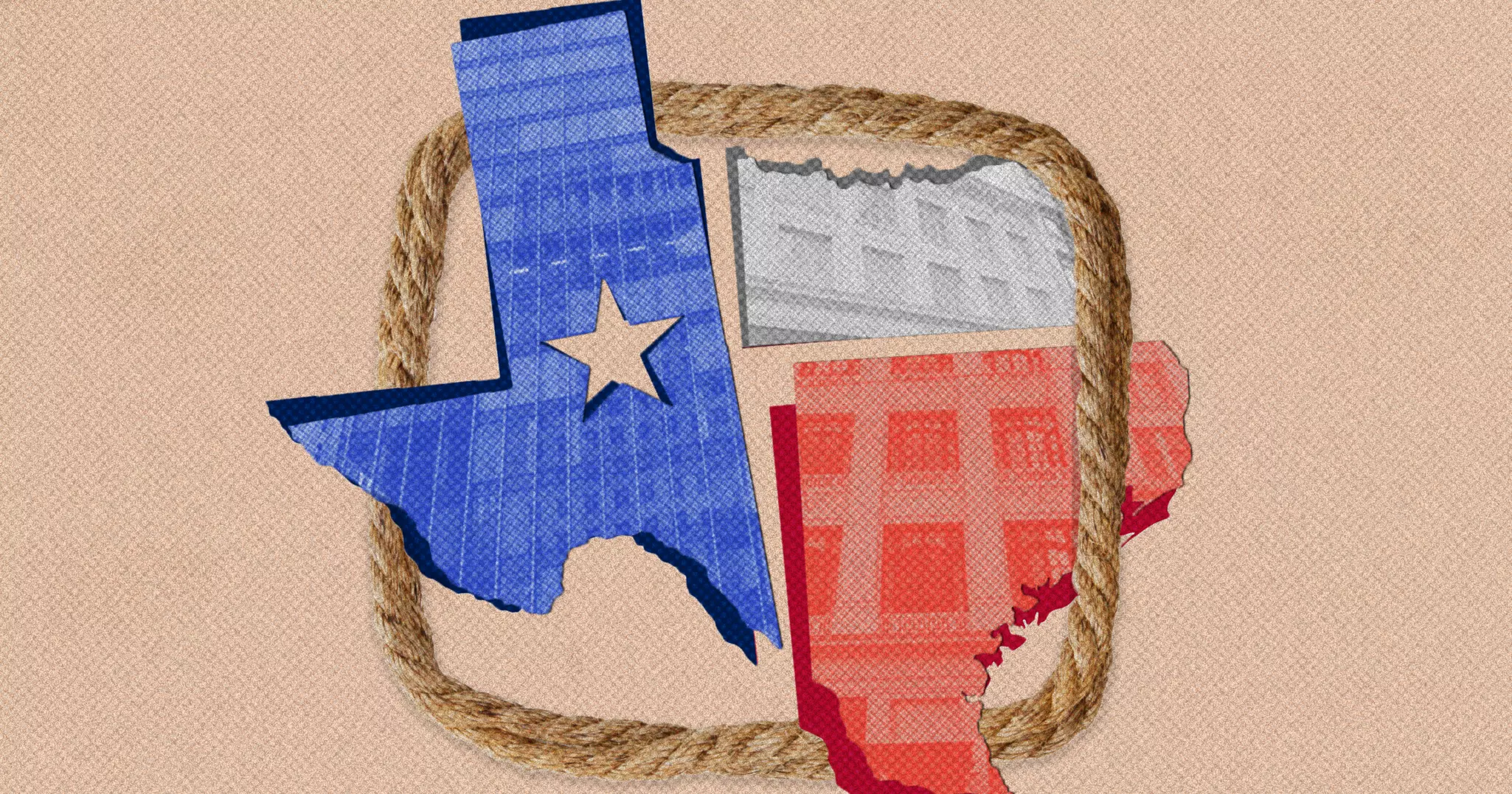
Texas money is riding hard into San Francisco, snapping up distressed downtown buildings at prices not seen in decades. From Union Square to California Street, major players like Lone Star Funds are betting big on the city’s rebound, signaling that the market may have finally hit bottom and that a new wave of opportunity is taking shape for savvy real estate professionals nationwide.
The 2025 holiday season is expected to break the $1 trillion sales mark, but economists say the milestone masks deeper consumer caution, income‑driven spending gaps, and weakening unit sales. Urban Land Magazine’s latest analysis shows how these mixed signals are shaping a selective, uneven landscape for U.S. commercial real estate heading into 2026—where strong locations thrive, weaker assets struggle, and affluent shoppers continue to dictate market performance.
As 2025 ends, the housing market is inching toward balance with slower price growth, rising inventory, and steadier mortgage rates. Experts predict modest 1% to 2% home‑price growth in 2026—not a crash, but a calmer, more predictable market shaped by regional differences. With the Fed easing rates and inventory climbing in key cities, 2026 may become the most buyer‑friendly year in recent memory, especially for those prepared to act when the right home appears.