The promise of artificial intelligence (AI) in the field of oncology is nothing short of revolutionary. As the world grapples with the complexities of cancer, AI is emerging as a potential game-changer in diagnostics, treatment personalization, and drug discovery. However, this technological marvel also raises the question: is AI in oncology truly transformative, or is it just another bubble waiting to burst?
According to Labiotech.eu, the integration of AI into oncology is reshaping our understanding of cancer care. This transformation is evident in the strides made in cancer diagnostics, particularly in radiology, where AI’s advanced image analytics are enhancing early detection capabilities. Ryan Schoenfeld, CEO of the Mark Foundation for Cancer Research, emphasizes AI’s ability to analyze scans with unprecedented speed and accuracy.
Yet, not everyone is convinced of AI’s superiority. Philip Lieberman of Analog Informatics points out that while AI may not surpass human technicians in accuracy, its consistency and ability to identify subtle artifacts make it a valuable adjunct technology, especially in underserved regions.
AI’s Role in Drug Discovery
AI’s potential extends beyond diagnostics, significantly impacting drug discovery. Traditional drug development is a lengthy and complex process, but AI tools like DeepMind’s AlphaFold have accelerated the identification of new therapeutic targets by predicting protein structures with remarkable precision. This capability has been pivotal in developing drugs such as BBO-8520, targeting KRAS mutations, which reached clinical trials in record time.
Moreover, companies like Exscientia are utilizing AI to fast-track the discovery of oncology treatments, achieving milestones in months rather than years. The collaboration between AI and drug discovery is paving the way for a new era of precision medicine.
Precision Oncology and Personalized Treatment
The future of cancer treatment lies in precision oncology, where AI’s ability to analyze vast datasets enables the creation of personalized treatment plans. Although experts like Jason Williams from the Williams Cancer Institute acknowledge that we are not fully there yet, the potential for AI to tailor therapies based on individual patient profiles is undeniable.
Recent studies, such as those conducted by Oxford University, showcase AI’s capacity to develop adaptive therapy schedules, significantly delaying cancer relapse.
Challenges and Future Prospects
Despite the promising advancements, the integration of AI in oncology is not without challenges. Regulatory frameworks, such as the European Commission’s AI Liability Directive, are still evolving, leaving uncertainties in accountability and liability. Moreover, the complexity and opacity of AI systems, often referred to as “black boxes,” demand greater transparency and explainability.
Ethical concerns also arise, particularly regarding bias in AI models trained on non-representative data. Addressing these issues is crucial for AI to realize its full potential in cancer care.
The Road Ahead
As we look to the future, AI’s role in oncology is poised to expand further. Experts predict advancements in predicting immune responses, creating designer proteins, and leveraging large language models for predictive analytics. The intersection of AI and biology promises a new frontier in personalized, precise, and predictive medicine.
While the hype surrounding AI in oncology may warrant caution, the tangible contributions it is making cannot be overlooked. The journey toward fully harnessing AI’s potential in cancer treatment is ongoing, and the best is indeed yet to come.
More Articles
Getting licensed or staying ahead in your career can be a journey—but it doesn’t have to be overwhelming. Grab your favorite coffee or tea, take a moment to relax, and browse through our articles. Whether you’re just starting out or renewing your expertise, we’ve got tips, insights, and advice to keep you moving forward. Here’s to your success—one sip and one step at a time!
Florida families are feeling the squeeze as everyday costs, insurance premiums, and homeownership barriers continue to climb. House District 102 candidate Jayden D’Onofrio is calling for a broader, more unified affordability strategy—one that tackles the state’s insurance crisis, supports first‑time homebuyers, and restores real competition in the market. His message centers on transparency, practical solutions, and keeping Florida livable for the professionals, workers, and families who power its economy.
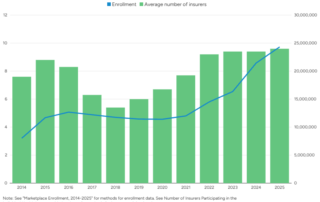
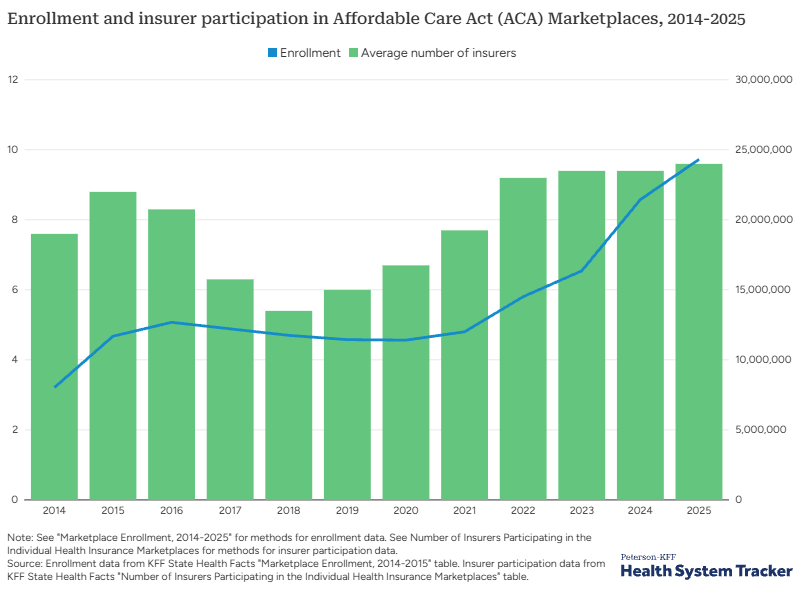
A decade of dramatic change is reshaping America’s health insurance markets. Employer group plans are becoming increasingly dominated by a few powerful insurers, while the ACA individual marketplace is experiencing record‑breaking competition and enrollment. Self‑funded plans are surging, small‑group premiums are driving employers to new coverage models, and major policy shifts in 2025 could redefine affordability for millions. This data‑driven Peterson‑KFF analysis breaks down the trends every insurance, finance, and business professional needs to understand as the industry enters a transformative new era.
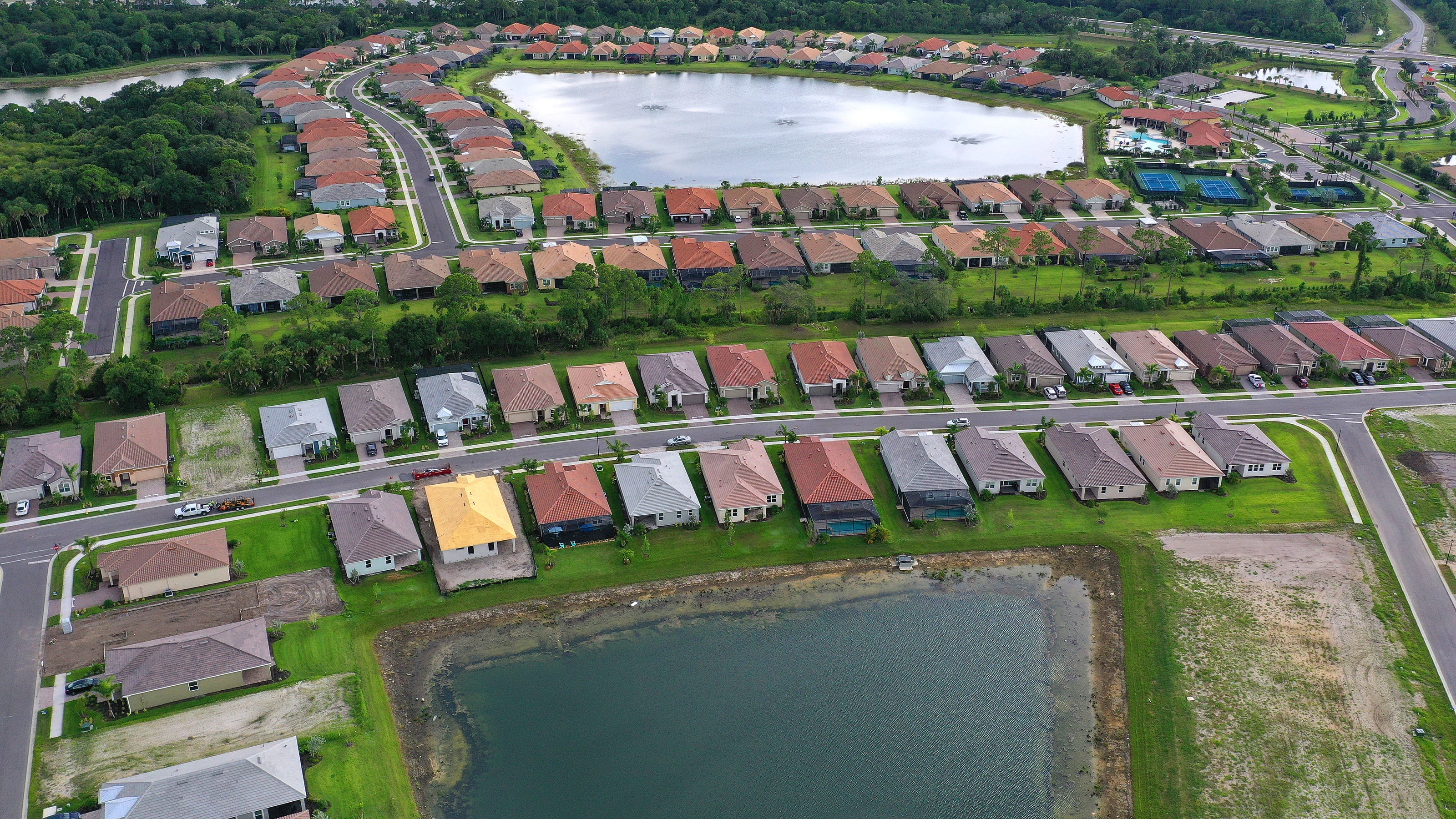
Sarasota County is inching closer to approving Winchester Ranch, a massive 8,999‑home community planned for more than 3,100 acres in North Port. With a 7‑1 vote from the Planning Commission and a final decision expected in early 2026, the project could become one of Southwest Florida’s largest developments in decades—bringing new housing, commercial space, and industry while raising fresh questions about growth, the environment, and the region’s rapidly evolving real estate market.
Lument Finance Trust has closed a major $663.8 million commercial real estate CLO, marking one of the standout CRE finance deals of 2025. The transaction, LMNT 2025-FL3, features a strong reinvestment period, non‑recourse and non‑mark‑to‑market financing, and a diversified pool of 32 loans tied to 49 properties nationwide. With J.P. Morgan leading the structuring and more than $585 million placed in investment‑grade securities, the deal highlights renewed stability in transitional CRE debt—making it a development real estate and finance professionals will want to watch closely.
Walmart has partnered with Alquist 3D to roll out the nation’s first large‑scale wave of 3D‑printed commercial buildings, signaling a major shift in how future retail and industrial spaces will be constructed. After completing an 8,000‑square‑foot 3D‑printed expansion in Tennessee—the largest of its kind—the company is moving forward with over a dozen new projects nationwide, accelerating a tech‑driven transformation in commercial real estate.
Citizens Property Insurance Corp. is recommending statewide rate reductions for 2026—the first proposed decrease in more than a decade. Most Citizens policyholders could see an average 11.5% drop, reflecting recent insurance‑market reforms that have stabilized Florida’s turbulent property sector. With hundreds of thousands of policies moving back to private insurers and state‑backed Citizens shrinking to record‑low enrollment, real estate and insurance professionals should prepare for how lower premiums may influence affordability, buyer confidence, and market activity heading into 2026.