The AI Revolution in Dermatology: A Systematic Review
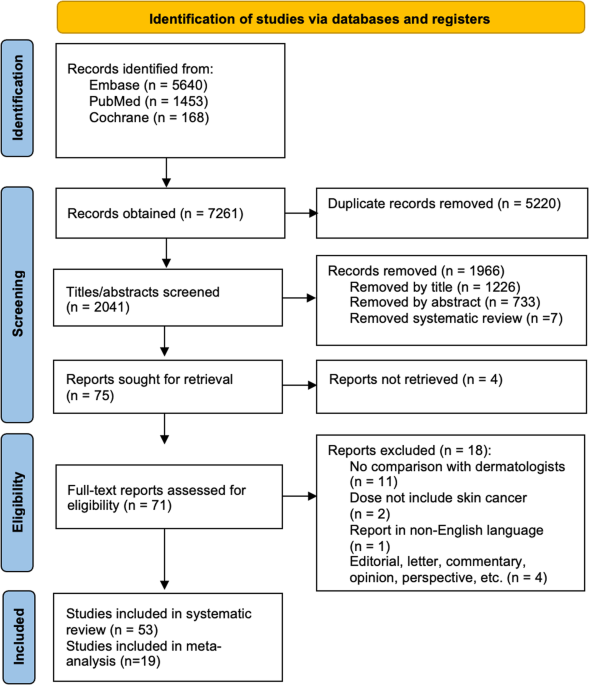
In a groundbreaking study published in Nature, researchers have delved into the burgeoning field of artificial intelligence (AI) in dermatology, specifically examining its role in diagnosing skin cancer. The study, titled “A Systematic Review and Meta-Analysis of Artificial Intelligence Versus Clinicians for Skin Cancer Diagnosis,” offers a comprehensive look at how AI stacks up against human clinicians in this critical area of healthcare.
The research highlights a significant trend: AI is rapidly becoming a valuable tool in dermatology, offering diagnostic capabilities that rival those of experienced dermatologists. The study’s findings are based on a meticulous systematic review and meta-analysis of numerous studies that compare AI algorithms with clinicians in diagnosing skin cancer.
AI’s Diagnostic Performance
The study reveals that AI algorithms demonstrate comparable sensitivity and specificity to dermatologists. This finding is particularly noteworthy as it suggests that AI can serve as an effective diagnostic aid, especially for non-expert clinician groups. In fact, when AI-assisted tools were employed, there were significant improvements in diagnostic accuracy for these groups.
This comprehensive analysis underscores the potential of AI to enhance diagnostic precision, a crucial factor in early skin cancer detection. The implications are profound, suggesting that AI could play a pivotal role in improving healthcare outcomes for patients worldwide.
Implications for Clinical Practice
While the study affirms AI’s effectiveness in clinical settings, it also emphasizes the need for further prospective, real-world evaluations. These evaluations are essential to substantiate AI’s practical application in dermatological diagnostics. The integration of AI into clinical practice could aid less experienced practitioners, providing them with the tools to make more accurate diagnoses and ultimately improve patient care.
For more detailed insights, the full study is accessible here.
Future Prospects
As AI continues to evolve, its role in dermatology is expected to expand. The study’s findings pave the way for further research and development in AI-assisted diagnostic tools, which could revolutionize the field of dermatology. The potential for AI to assist in early detection and treatment of skin cancer is immense, promising a future where technology and healthcare work hand in hand to save lives.
Conclusion
This study marks a significant milestone in the integration of AI into dermatological practice. By demonstrating AI’s potential to match, and in some cases, enhance the diagnostic skills of human clinicians, it sets the stage for a future where AI is an indispensable part of medical diagnostics.
Getting licensed or staying ahead in your career can be a journey—but it doesn’t have to be overwhelming. Grab your favorite coffee or tea, take a moment to relax, and browse through our articles. Whether you’re just starting out or renewing your expertise, we’ve got tips, insights, and advice to keep you moving forward. Here’s to your success—one sip and one step at a time!
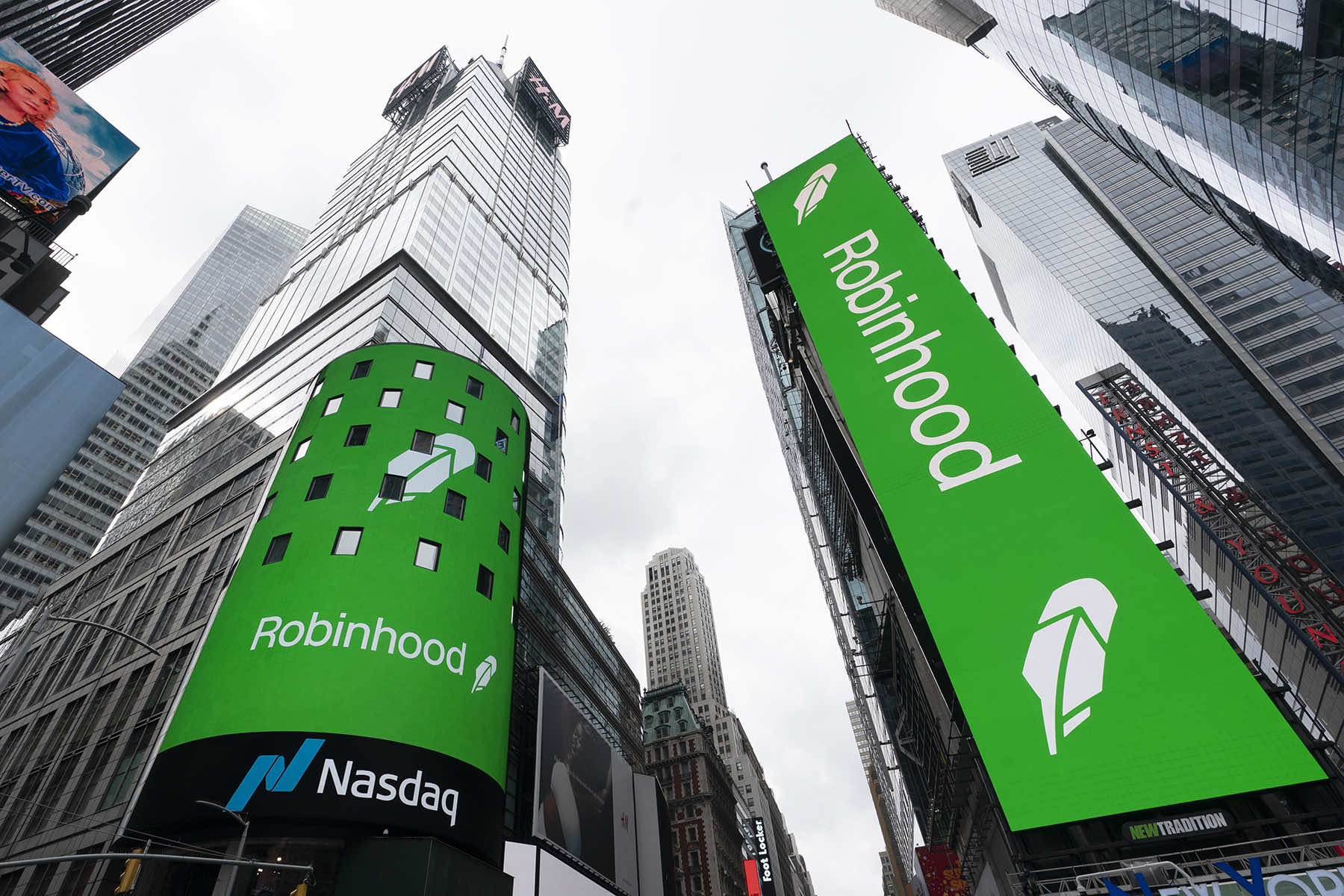
Tokenization has surged from crypto niche to global financial disruptor as institutions like Robinhood, BlackRock, and Coinbase race to digitize real-world assets. With pro‑crypto political momentum, shifting regulations, and private companies resisting newfound transparency, this emerging wave is transforming how investments are bought, sold, and accessed. For professionals in real estate, finance, lending, and insurance, this shift signals massive opportunity—and equally massive responsibility—as the next era of asset ownership takes shape.
Florida homeowners are finally getting relief as Citizens Property Insurance announces an average 8.7% statewide rate reduction for 2026, with South Florida seeing cuts as high as 14%. Driven by recent tort reforms and a stabilizing market, these decreases signal a major turnaround for an industry once on the brink of collapse — and a potential boost for real estate activity across the state.
After years of roller‑coaster chaos, the 2026 U.S. housing market is easing into something professionals haven’t seen in a long time: balance. Inventory growth has slowed to just 10% year over year—down sharply from 2025’s surge—signaling the end of the pandemic‑era scarcity and the rise of a market driven by real‑time demand and interest rates. With seasonal patterns returning, negotiations replacing bidding wars and rates drifting toward 6%, agents, lenders and investors are finally navigating conditions that look… normal.
More than half of Gen Z investors say they entered the stock market because of social media—not textbooks, not advisors. Viral creators, AI tools, and crypto trends are reshaping how young adults learn about money, invest early, and chase financial freedom. This Fortune‑featured shift highlights a generation determined to build wealth fast, trust digital voices over traditional institutions, and redefine financial education for the future.
After years of extremes, the U.S. housing market is shifting into a more balanced, predictable phase. Inventory growth has cooled from last year’s surge, seasonality is returning, and pricing is becoming increasingly rate‑sensitive. With mortgage rates hovering near 6% and policy changes reshaping investor participation, 2026 is emerging as a negotiation‑driven market where skilled agents, lenders, builders, and investors have a renewed advantage. This new landscape rewards strategy, education, and real‑time demand awareness—making it an ideal moment for professionals to refine their approach and capitalize on the market’s normalization.
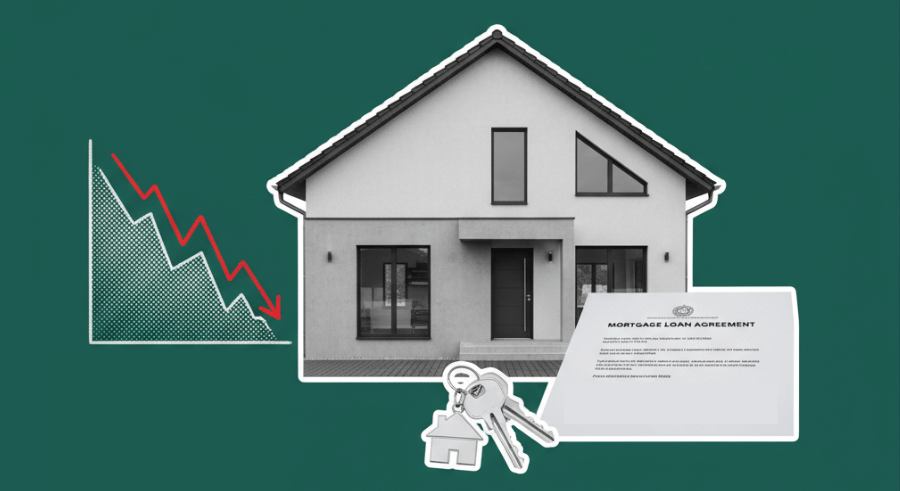
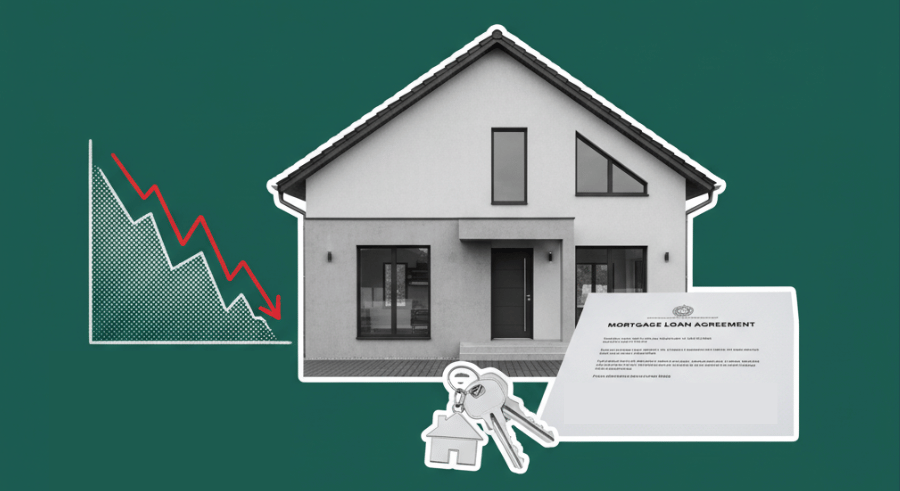
A sudden policy shift at the start of 2026 is already pushing mortgage rates lower, dipping them under 6% for the first time in months. New projections suggest the government-sponsored enterprises’ $200 billion in mortgage‑backed securities purchases could accelerate rate declines throughout the year, boosting affordability, home sales, and overall market activity for buyers, sellers, and real estate professionals alike.