The Coming Housing Surplus: What a Demographic Wave Could Mean for the Future of Real Estate

Housing surplus analysis image

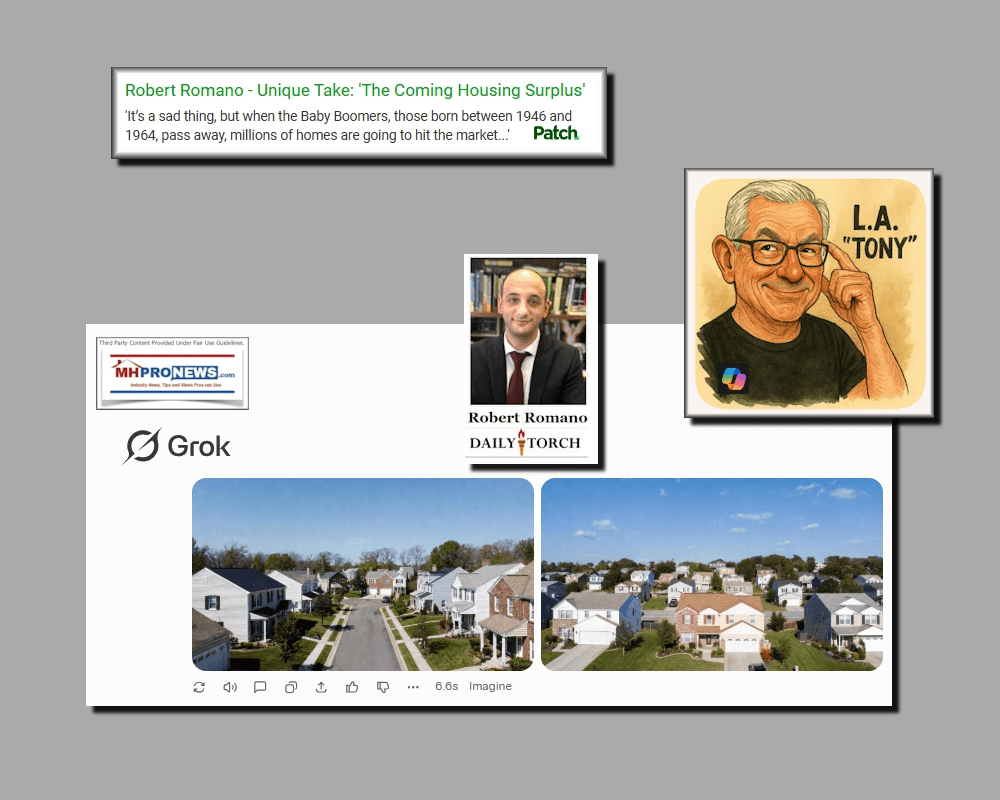
A fascinating – and admittedly sobering – real estate discussion has been circulating thanks to writer Robert Romano, whose recent piece explores the possibility of an upcoming shift from today’s tight housing supply to a future surplus. His analysis, published on Patch, digs into the demographic realities of aging Baby Boomers and the ripple effects their passing may have on the housing market.

Romano’s central argument is simple: as Boomers (born 1946–1964) naturally age out of homeownership in large numbers over the next 10–20 years, millions of homes will gradually return to the market. The result could be a significant inventory increase—potentially enough to soften prices after a decade of crushing affordability challenges.

A Housing Market Built on Two Opposites: Shortage Today, Surplus Tomorrow?

Today’s buyers face one of the most unaffordable markets in modern history. Home prices have far outpaced incomes, and construction has lagged ever since the 2008 crash. Romano highlights that current inventory sits near just 1.3 million listings nationwide, far lower than the 2.27 million peak before the 2006–2008 bubble popped.

Yet demographic math tells a different story about the coming decades. By 2040, more than 35 million Baby Boomers may no longer be part of the housing ecosystem. Combined with ongoing construction—slow but steady—Romano argues that a surplus becomes not only possible but plausible.

If demand slows due to shrinking household formation, declining marriage rates, and affordability-induced delays in family creation, prices could gradually cool. A painful present may give way to a more reasonable future.

Global Parallels: Empty Houses Abroad, Future Signal for the U.S.?

Romano points to Europe, Japan, and South Korea—nations already experiencing population decline and even ghost towns. These countries offer a preview: fewer people means more empty homes, shifting market dynamics, and changes in property values.

While the U.S. population remains comparatively stable, long-term demographic pressures are undeniably moving in the same direction.

Politics, Policy, and the Pressure of “Right Now”

Romano acknowledges that waiting for decades to “fix” the housing crisis via natural demographic change isn’t realistic. Rent is high today. Mortgage rates are high today. The median first-time homebuyer is now 40.

Policymakers face a tightrope: build aggressively to relieve current pressure, but not so aggressively that the country repeats the oversupply scenario that contributed to the 2008 crash.

And this is where understanding professional real estate markets becomes crucial for anyone building or advancing a career in the field.

Why This Matters for Real Estate Professionals and Students

Whether you’re a seasoned agent or entering the field through a licensing program, the possibility of a major shift in housing supply is career-shaping knowledge. Agents, brokers, and mortgage professionals who understand demographic-driven market cycles will be the ones advising clients most effectively over the next decade.

And for those studying real estate—especially here in Florida—schools like Cameron Academy continue empowering professionals with up-to-date licensing programs, continuing education, and real-world insights that prepare them for tomorrow’s opportunity-rich market.

Explore the Original Report

Romano’s full article offers a rich examination of demographic and housing trends, and it’s absolutely worth reading for anyone serious about understanding where the market may be headed.

Read the full Patch article →

Whether or not the U.S. truly shifts into a housing surplus, one truth stands firm: demographic forces move slowly but shape the market profoundly. The professionals who understand these forces will be the ones best prepared for the future of real estate.

More Articles

Getting licensed or staying ahead in your career can be a journey—but it doesn’t have to be overwhelming. Grab your favorite coffee or tea, take a moment to relax, and browse through our articles. Whether you’re just starting out or renewing your expertise, we’ve got tips, insights, and advice to keep you moving forward. Here’s to your success—one sip and one step at a time!

The Tokenization Tsunami: Why Digital Assets Are Reshaping Wall Street, Washington, and Your Professional Future

Tokenization has surged from crypto niche to global financial disruptor as institutions like Robinhood, BlackRock, and Coinbase race to digitize real-world assets. With pro‑crypto political momentum, shifting regulations, and private companies resisting newfound transparency, this emerging wave is transforming how investments are bought, sold, and accessed. For professionals in real estate, finance, lending, and insurance, this shift signals massive opportunity—and equally massive responsibility—as the next era of asset ownership takes shape.

Florida’s 2026 Insurance Shake‑Up: Citizens Approves Major Statewide Rate Cuts

Florida homeowners are finally getting relief as Citizens Property Insurance announces an average 8.7% statewide rate reduction for 2026, with South Florida seeing cuts as high as 14%. Driven by recent tort reforms and a stabilizing market, these decreases signal a major turnaround for an industry once on the brink of collapse — and a potential boost for real estate activity across the state.

The 2026 Housing Market Finally Returns to “Normal” as Inventory Stabilizes and Demand Takes the Lead

After years of roller‑coaster chaos, the 2026 U.S. housing market is easing into something professionals haven’t seen in a long time: balance. Inventory growth has slowed to just 10% year over year—down sharply from 2025’s surge—signaling the end of the pandemic‑era scarcity and the rise of a market driven by real‑time demand and interest rates. With seasonal patterns returning, negotiations replacing bidding wars and rates drifting toward 6%, agents, lenders and investors are finally navigating conditions that look… normal.

Gen Z Is Skipping Wall Street Advice and Turning to #RichTok for Financial Independence

More than half of Gen Z investors say they entered the stock market because of social media—not textbooks, not advisors. Viral creators, AI tools, and crypto trends are reshaping how young adults learn about money, invest early, and chase financial freedom. This Fortune‑featured shift highlights a generation determined to build wealth fast, trust digital voices over traditional institutions, and redefine financial education for the future.

The U.S. Housing Market Is Finally Normalizing in 2026 — What Today’s Professionals Need to Know

After years of extremes, the U.S. housing market is shifting into a more balanced, predictable phase. Inventory growth has cooled from last year’s surge, seasonality is returning, and pricing is becoming increasingly rate‑sensitive. With mortgage rates hovering near 6% and policy changes reshaping investor participation, 2026 is emerging as a negotiation‑driven market where skilled agents, lenders, builders, and investors have a renewed advantage. This new landscape rewards strategy, education, and real‑time demand awareness—making it an ideal moment for professionals to refine their approach and capitalize on the market’s normalization.

Mortgage Rates Could Drop Faster Than Expected in 2026, Thanks to New MBS Policy

A sudden policy shift at the start of 2026 is already pushing mortgage rates lower, dipping them under 6% for the first time in months. New projections suggest the government-sponsored enterprises’ $200 billion in mortgage‑backed securities purchases could accelerate rate declines throughout the year, boosting affordability, home sales, and overall market activity for buyers, sellers, and real estate professionals alike.











