The Coming Housing Surplus: What a Demographic Wave Could Mean for the Future of Real Estate

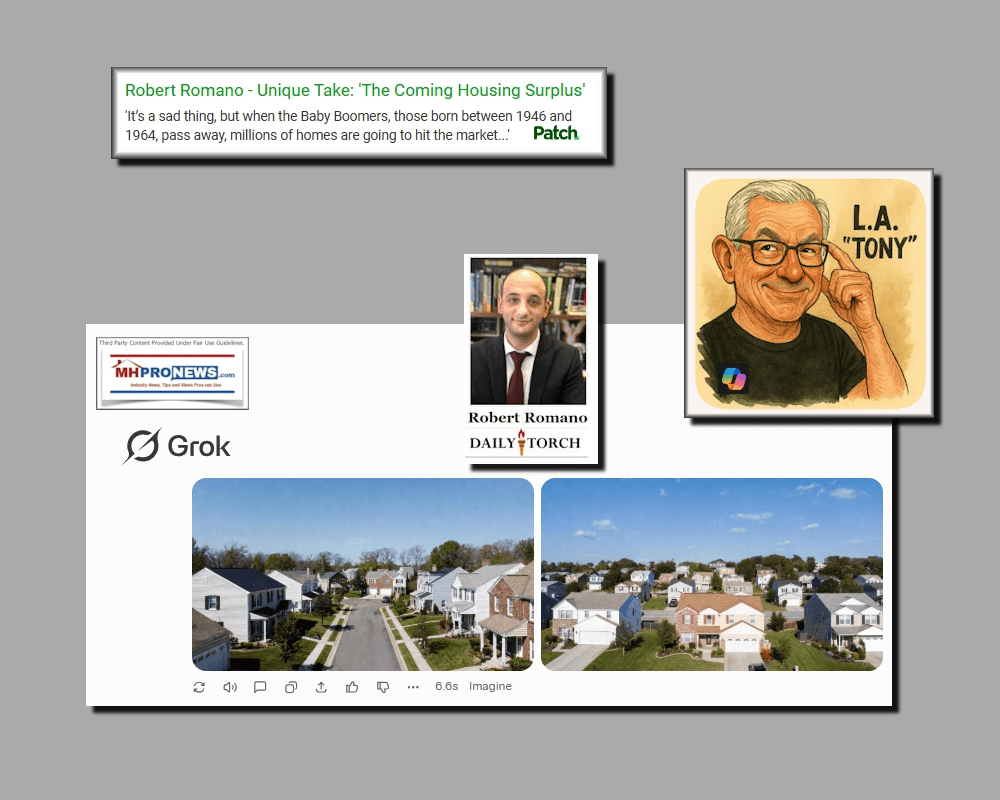
Housing surplus analysis image

A fascinating – and admittedly sobering – real estate discussion has been circulating thanks to writer Robert Romano, whose recent piece explores the possibility of an upcoming shift from today’s tight housing supply to a future surplus. His analysis, published on Patch, digs into the demographic realities of aging Baby Boomers and the ripple effects their passing may have on the housing market.

Romano’s central argument is simple: as Boomers (born 1946–1964) naturally age out of homeownership in large numbers over the next 10–20 years, millions of homes will gradually return to the market. The result could be a significant inventory increase—potentially enough to soften prices after a decade of crushing affordability challenges.

A Housing Market Built on Two Opposites: Shortage Today, Surplus Tomorrow?

Today’s buyers face one of the most unaffordable markets in modern history. Home prices have far outpaced incomes, and construction has lagged ever since the 2008 crash. Romano highlights that current inventory sits near just 1.3 million listings nationwide, far lower than the 2.27 million peak before the 2006–2008 bubble popped.

Yet demographic math tells a different story about the coming decades. By 2040, more than 35 million Baby Boomers may no longer be part of the housing ecosystem. Combined with ongoing construction—slow but steady—Romano argues that a surplus becomes not only possible but plausible.

If demand slows due to shrinking household formation, declining marriage rates, and affordability-induced delays in family creation, prices could gradually cool. A painful present may give way to a more reasonable future.

Global Parallels: Empty Houses Abroad, Future Signal for the U.S.?

Romano points to Europe, Japan, and South Korea—nations already experiencing population decline and even ghost towns. These countries offer a preview: fewer people means more empty homes, shifting market dynamics, and changes in property values.

While the U.S. population remains comparatively stable, long-term demographic pressures are undeniably moving in the same direction.

Politics, Policy, and the Pressure of “Right Now”

Romano acknowledges that waiting for decades to “fix” the housing crisis via natural demographic change isn’t realistic. Rent is high today. Mortgage rates are high today. The median first-time homebuyer is now 40.

Policymakers face a tightrope: build aggressively to relieve current pressure, but not so aggressively that the country repeats the oversupply scenario that contributed to the 2008 crash.

And this is where understanding professional real estate markets becomes crucial for anyone building or advancing a career in the field.

Why This Matters for Real Estate Professionals and Students

Whether you’re a seasoned agent or entering the field through a licensing program, the possibility of a major shift in housing supply is career-shaping knowledge. Agents, brokers, and mortgage professionals who understand demographic-driven market cycles will be the ones advising clients most effectively over the next decade.

And for those studying real estate—especially here in Florida—schools like Cameron Academy continue empowering professionals with up-to-date licensing programs, continuing education, and real-world insights that prepare them for tomorrow’s opportunity-rich market.

Explore the Original Report

Romano’s full article offers a rich examination of demographic and housing trends, and it’s absolutely worth reading for anyone serious about understanding where the market may be headed.

Read the full Patch article →

Whether or not the U.S. truly shifts into a housing surplus, one truth stands firm: demographic forces move slowly but shape the market profoundly. The professionals who understand these forces will be the ones best prepared for the future of real estate.

More Articles

Getting licensed or staying ahead in your career can be a journey—but it doesn’t have to be overwhelming. Grab your favorite coffee or tea, take a moment to relax, and browse through our articles. Whether you’re just starting out or renewing your expertise, we’ve got tips, insights, and advice to keep you moving forward. Here’s to your success—one sip and one step at a time!

Phoenix Housing Market Surges Ahead of the Nation in 2025

The Phoenix housing market continues to outperform the rest of the country, posting stronger sales, rising equity, and an influx of qualified buyers. With closed sales, pending sales, new listings, and median prices all trending upward, the Valley is outpacing national growth by a wide margin. City‑level data shows impressive strength across Scottsdale, Goodyear, Gilbert, Phoenix, and more—making 2025 a powerful year for agents, investors, and professionals watching the Arizona market.

20 High-Demand Jobs to Watch as 2026 Approaches — Major Events Are Fueling New Opportunities

With the 2026 FIFA World Cup and America’s 250th birthday celebrations on the horizon, the U.S. job market is gearing up for a surge across multiple industries. Seasonal, flexible, and part‑time roles are expected to rise—especially for workers 50+ who have struggled in a cooling labor market. From accounting and HR leadership to event staffing and delivery driving, major cities are preparing for increased hiring tied to tourism, infrastructure, and yearlong national celebrations. Many of these fast‑growing roles connect directly to licensing and certification pathways, giving professionals new chances to pivot or upskill through programs offered by Cameron Academy.

New Florida Laws Taking Effect January 1, 2026: Key Updates for Professionals

Florida is rolling out a new wave of laws on January 1, 2026 that will impact professionals in real estate, insurance, healthcare, education, and other regulated industries. From new insurance rules and healthcare billing requirements to condo association deadlines and statewide databases, these updates reshape compliance expectations across the state. Whether you work in property, finance, or public‑facing services, understanding these changes is essential for staying aligned with Florida’s evolving regulations.

Commercial Real Estate Pros Are Almost All Bullish on 2026

Nearly every commercial real estate professional is expecting a stronger year ahead, with 97% predicting increased or stable activity in 2026, according to Avison Young’s latest outlook. Confidence has surged dramatically since mid‑2025 as strong sales, anticipated rate cuts, and improving fundamentals across key sectors signal that CRE recovery and growth may finally be taking hold.

Dallas‑Fort Worth’s 2025 Boom: The Metroplex Redefining U.S. Growth

Dallas‑Fort Worth is finishing 2025 as the nation’s top real estate and business powerhouse, fueled by corporate relocations, a dominant industrial sector, infrastructure megaprojects, and a rapidly evolving workforce landscape. From data center expansion to the launch of the DART Silver Line, the region continues to outpace national trends—while also confronting a growing demand for skilled professionals and licensed talent across construction, real estate, and technical fields.

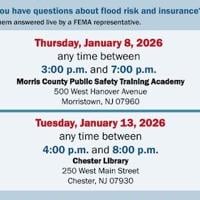
FEMA and NJDEP Unveil New Morris County Flood Maps, Triggering Key Changes for Property Owners and Professionals

FEMA and the NJDEP have released revised preliminary flood maps for Morris County, reshaping how homeowners, real estate agents, insurers, and mortgage professionals assess flood risk. The updated FIRMs may shift properties into or out of higher‑risk zones, affecting insurance requirements, closing processes, and long‑term property values. With public review and appeals ahead, industry professionals are urged to study the changes now and prepare clients for potential impacts.