The Coming Housing Surplus: What a Demographic Wave Could Mean for the Future of Real Estate

Housing surplus analysis image

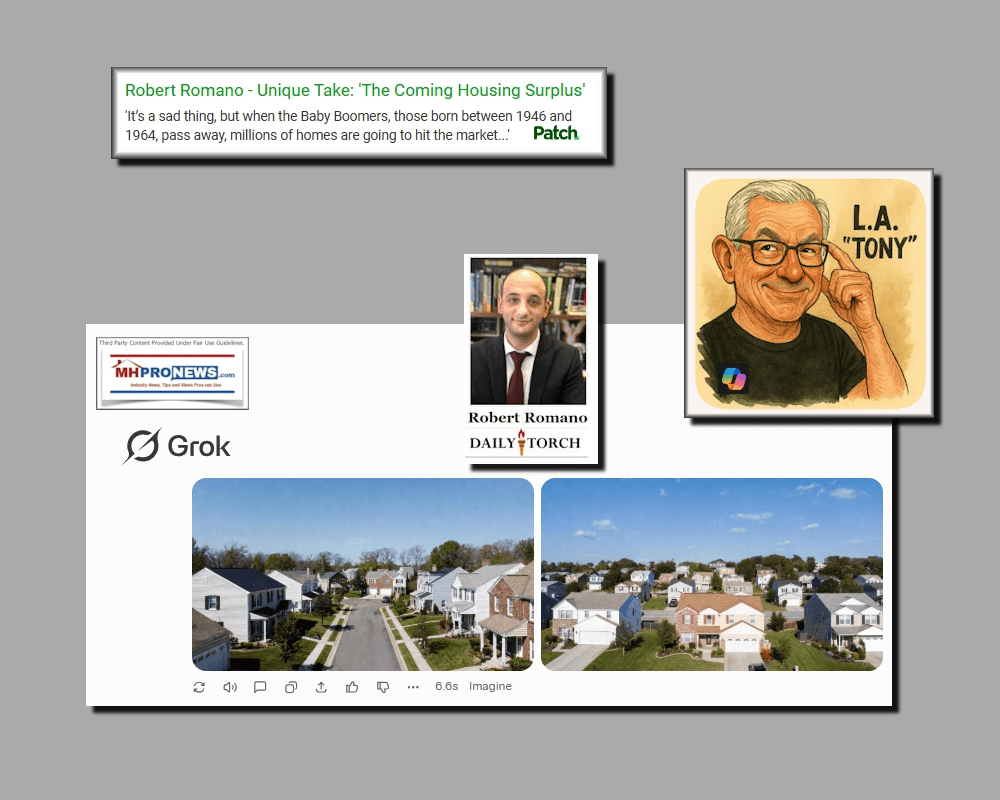
A fascinating – and admittedly sobering – real estate discussion has been circulating thanks to writer Robert Romano, whose recent piece explores the possibility of an upcoming shift from today’s tight housing supply to a future surplus. His analysis, published on Patch, digs into the demographic realities of aging Baby Boomers and the ripple effects their passing may have on the housing market.

Romano’s central argument is simple: as Boomers (born 1946–1964) naturally age out of homeownership in large numbers over the next 10–20 years, millions of homes will gradually return to the market. The result could be a significant inventory increase—potentially enough to soften prices after a decade of crushing affordability challenges.

A Housing Market Built on Two Opposites: Shortage Today, Surplus Tomorrow?

Today’s buyers face one of the most unaffordable markets in modern history. Home prices have far outpaced incomes, and construction has lagged ever since the 2008 crash. Romano highlights that current inventory sits near just 1.3 million listings nationwide, far lower than the 2.27 million peak before the 2006–2008 bubble popped.

Yet demographic math tells a different story about the coming decades. By 2040, more than 35 million Baby Boomers may no longer be part of the housing ecosystem. Combined with ongoing construction—slow but steady—Romano argues that a surplus becomes not only possible but plausible.

If demand slows due to shrinking household formation, declining marriage rates, and affordability-induced delays in family creation, prices could gradually cool. A painful present may give way to a more reasonable future.

Global Parallels: Empty Houses Abroad, Future Signal for the U.S.?

Romano points to Europe, Japan, and South Korea—nations already experiencing population decline and even ghost towns. These countries offer a preview: fewer people means more empty homes, shifting market dynamics, and changes in property values.

While the U.S. population remains comparatively stable, long-term demographic pressures are undeniably moving in the same direction.

Politics, Policy, and the Pressure of “Right Now”

Romano acknowledges that waiting for decades to “fix” the housing crisis via natural demographic change isn’t realistic. Rent is high today. Mortgage rates are high today. The median first-time homebuyer is now 40.

Policymakers face a tightrope: build aggressively to relieve current pressure, but not so aggressively that the country repeats the oversupply scenario that contributed to the 2008 crash.

And this is where understanding professional real estate markets becomes crucial for anyone building or advancing a career in the field.

Why This Matters for Real Estate Professionals and Students

Whether you’re a seasoned agent or entering the field through a licensing program, the possibility of a major shift in housing supply is career-shaping knowledge. Agents, brokers, and mortgage professionals who understand demographic-driven market cycles will be the ones advising clients most effectively over the next decade.

And for those studying real estate—especially here in Florida—schools like Cameron Academy continue empowering professionals with up-to-date licensing programs, continuing education, and real-world insights that prepare them for tomorrow’s opportunity-rich market.

Explore the Original Report

Romano’s full article offers a rich examination of demographic and housing trends, and it’s absolutely worth reading for anyone serious about understanding where the market may be headed.

Read the full Patch article →

Whether or not the U.S. truly shifts into a housing surplus, one truth stands firm: demographic forces move slowly but shape the market profoundly. The professionals who understand these forces will be the ones best prepared for the future of real estate.

More Articles

Getting licensed or staying ahead in your career can be a journey—but it doesn’t have to be overwhelming. Grab your favorite coffee or tea, take a moment to relax, and browse through our articles. Whether you’re just starting out or renewing your expertise, we’ve got tips, insights, and advice to keep you moving forward. Here’s to your success—one sip and one step at a time!

Florida Home Insurance Rates Expected To Drop in 2026 as Market Finally Stabilizes

After years of sharp increases and shrinking coverage options, Florida’s home insurance market is showing its strongest signs of recovery yet. Multiple insurers are proposing significant premium cuts for 2026 — some in the double digits — as storm‑loss data improves and private carriers re‑enter the state. Citizens Insurance is also seeking its first broad rate reduction in a decade, potentially lowering costs for millions of homeowners. This shift could boost affordability and confidence across Florida’s real estate and mortgage markets heading into the new year.

The AI Startup Quietly Dominating Fintech: How Salient Hit $500M in Two Years

An AI company that began in a bedroom is now shaking the foundations of the lending industry. Salient, led by CEO Ari Malik, has skyrocketed to a $500 million valuation by fixing one of finance’s messiest problems: debt servicing. With zero customer churn, 100% pilot-to-contract conversions, and AI agents reportedly 30 times more compliant than humans, Salient is redefining how lenders manage loans. Its rapid rise highlights a new era where trust, regulation‑ready AI, and deep industry understanding are becoming essential for professionals across real estate, mortgage, finance, and insurance.

How Redmond’s Prisma Project Is Transforming Affordable Housing Near Transit

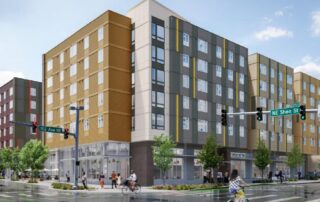
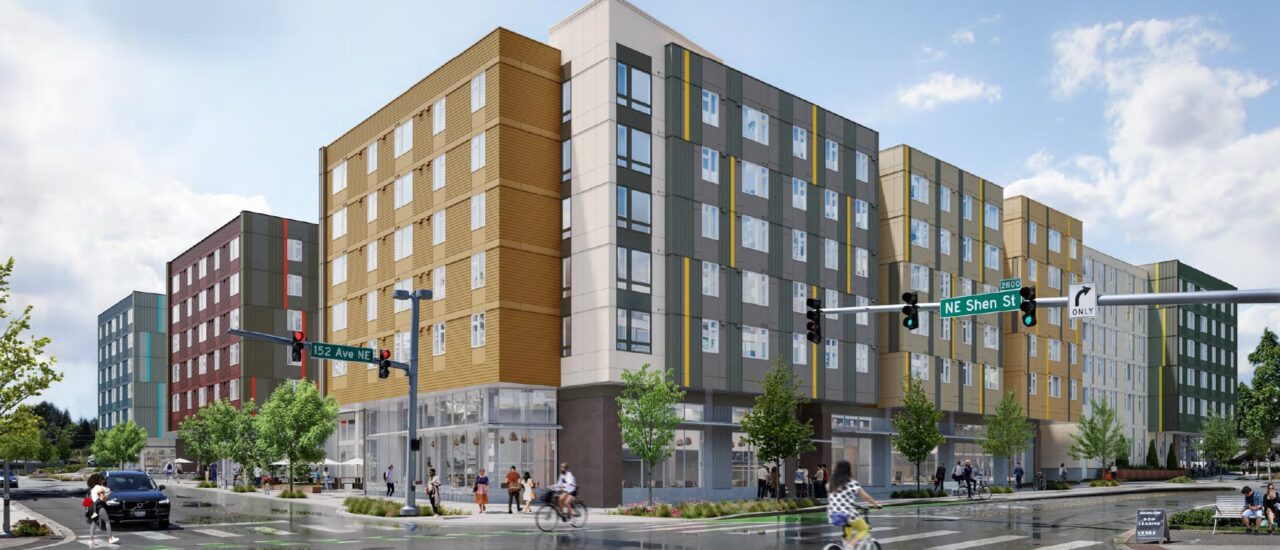
Redmond, Washington is tackling its housing crisis with Prisma, a six‑story, transit‑oriented development built on discounted surplus land from Sound Transit. The project will deliver 328 deeply affordable units—most reserved for households earning 50 percent of AMI or less, including families and people with disabilities. Enabled by a rare cross‑sector funding partnership, Prisma showcases how cities can combine transit investment, public resources, and private support to create long‑term, equitable housing solutions.

Florida’s Citizens Insurance Proposes Rare Rate Cuts for 2026

Citizens Property Insurance Corp. is recommending rate decreases for millions of Florida homeowners in 2026, marking the first potential premium drop in over a decade. If approved by state regulators, personal-line policies would fall an average of 2.6%, with some homeowners seeing reductions up to 11.5%. The shift reflects growing market stability driven by recent insurance reforms and increased private‑sector participation, though not all counties will benefit equally.

Is AI Really Taking Over Finance Jobs? Why Wall Street’s Layoff Panic Is Mostly Hype

Despite alarming headlines, experts say AI isn’t the true driver behind Wall Street job cuts. Major banks like JPMorgan and Goldman Sachs are trimming staff, but economists point to post‑pandemic overhiring and economic uncertainty—not robots—as the real cause. While banks are investing heavily in AI tools, actual AI‑driven layoffs remain minimal. Instead, AI is slowing new hiring, reshaping roles, and pushing professionals across finance, real estate, and other industries to upskill rather than fear replacement.

How AI Is Driving Explosive Proptech Growth in 2025

Artificial intelligence is reshaping the real estate industry in 2025, powering a new surge of growth and maturity in the proptech sector. AI tools once considered experimental—such as predictive analytics, automated valuations, and digital transaction platforms—are now becoming essential to real estate, mortgage, insurance, and finance workflows. With rising investor confidence and widespread professional adoption, AI‑driven proptech is transforming how the industry operates and what skills modern professionals need to stay competitive.