As we look ahead to the next decade, the dynamics of housing supply and demand in the United States are poised for a dramatic shift. Population growth is slowing, leading to fewer new households and a reduced need for new homes. This pivotal change is explored in a recent article from RealEstateNews.com.

A suburban development with new homes and homes under construction

Key Insights

  • Household growth in the U.S. is on a declining trajectory, with projections indicating a further slowdown over the next two decades.
  • Within the next decade, population growth, excluding immigration, could potentially turn negative.
  • The convergence of fewer households and increased homebuilding could resolve the housing shortage, necessitating a shift in the construction industry.

The Harvard University’s Joint Center for Housing Studies report highlights that only 8.6 million new households are expected to form over the next ten years. This figure could further dwindle to 5.1 million between 2035 and 2045, marking the lowest decade of household formation in a century.

Demographic Shifts

According to U.S. Census data, the number of children under five decreased by nearly 9% from 2010 to 2020, while the senior demographic over 62 surged by over 36%. This demographic shift indicates that the aging population and reduced birth rates are expected to slow and eventually reverse native population growth, leaving future growth dependent on immigration.

Impact on Homebuilders

Despite the current housing shortage, demand for new homes is anticipated to remain robust in the short term. The report estimates 11.3 million new homes will be constructed between 2025 and 2035. However, as Gen Z and Gen Alpha, smaller cohorts than the baby boomers and millennials, become the primary homebuyers, new home construction is expected to decelerate.

The Role of Immigration

While native population trends offer a clearer forecast, immigration remains an unpredictable element. Daniel McCue, the report’s author, notes that even with higher immigration levels, household growth is projected to decline due to the decrease in natural population growth.

For a deeper dive into these findings, visit the original article on RealEstateNews.com.

More Articles

Getting licensed or staying ahead in your career can be a journey—but it doesn’t have to be overwhelming. Grab your favorite coffee or tea, take a moment to relax, and browse through our articles. Whether you’re just starting out or renewing your expertise, we’ve got tips, insights, and advice to keep you moving forward. Here’s to your success—one sip and one step at a time!

UAE’s Vision for Desert Expansion and Urban Innovation

The UAE is set to transform its expansive desert landscapes into thriving residential communities, aligning with the nation's commitment to harnessing natural resources and the '15-minute city' model.

By |December 12, 2024|Categories: Article, Sustainable Development, Urban Planning|Tags: , |0 Comments

Exploring the Role of Telemedicine in Medical Education

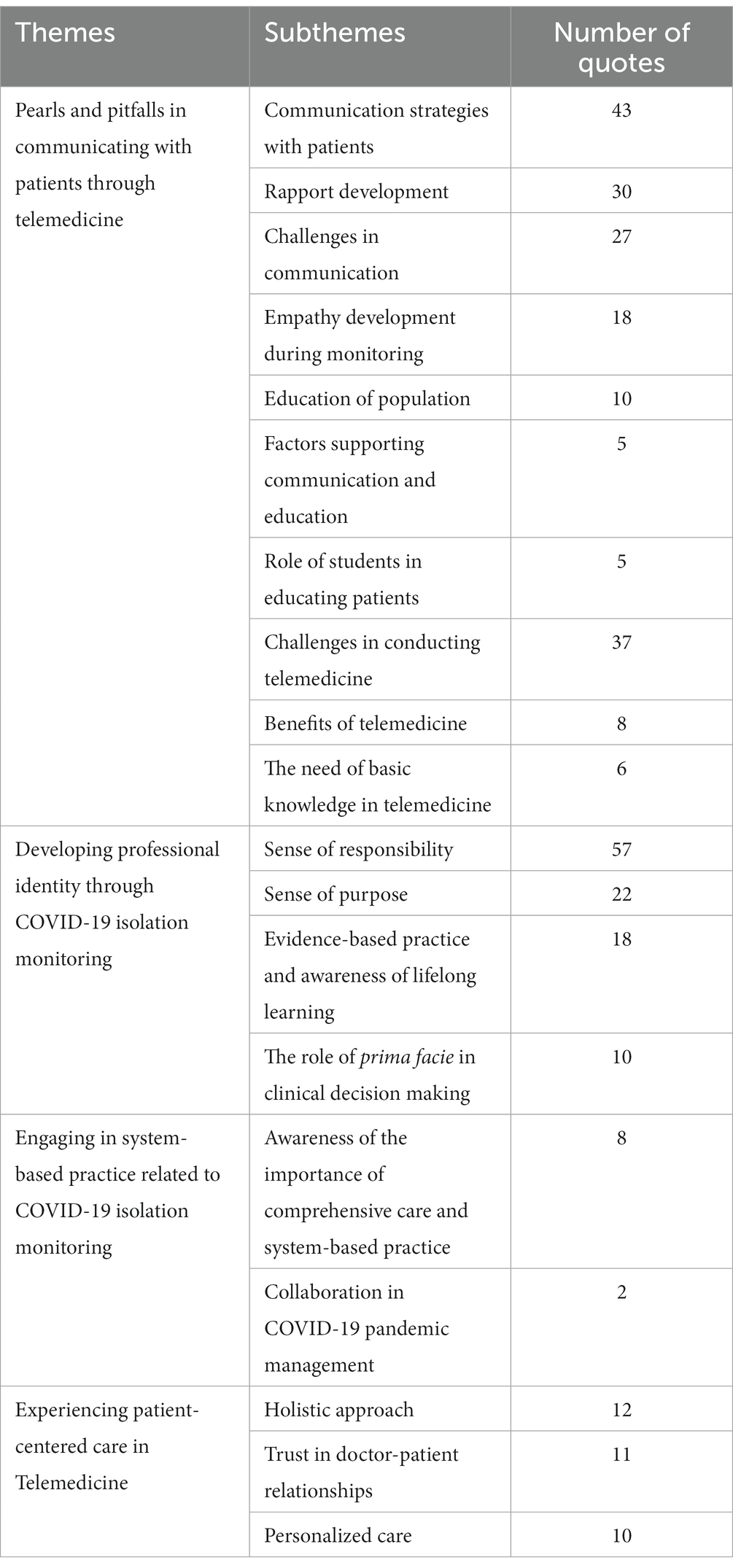
In a recent study, researchers delved into the transformative impact of a telemedicine-based course on undergraduate medical students during the COVID-19 pandemic. As the pandemic reshaped the landscape of healthcare, telemedicine emerged as a vital tool, not only in patient care but also in medical education.

By |December 11, 2024|Categories: Article, Medical Education, Telemedicine|Tags: , |0 Comments

The Transformative Role of AI in Healthcare: Enhancing Patient Care and Health Management

AI technology holds the potential to improve clinical outcomes, reduce healthcare costs, and enhance population health. In the realm of preventive care, AI is being utilized in radiology to expedite cancer screenings, such as mammograms and lung cancer screenings.

By |December 11, 2024|Categories: Article, Artificial Intelligence, Healthcare|Tags: , |0 Comments

Revolutionizing Healthcare: The Future of Medical Networking

The transformation is paving the way for a future where care is more personalized, and the ecosystem is inclusive for medical practitioners and providers to proactively manage patients' health. A key component of this evolution is medical networking, which is being redefined by the collaborative exchange of data among practitioners, professionals, and healthcare facilities.

Innovative Urban Expansion: The UAE’s Vision for Sustainable Living

As the UAE's population continues to surge, developers are seizing the opportunity to transform the sprawling desert into vibrant residential communities.

The Call for Climate Change in Medical Curricula

As the world grapples with the multifaceted impacts of climate change, a new urgency is emerging within the medical community.