As we look ahead to the next decade, the dynamics of housing supply and demand in the United States are poised for a dramatic shift. Population growth is slowing, leading to fewer new households and a reduced need for new homes. This pivotal change is explored in a recent article from RealEstateNews.com.

A suburban development with new homes and homes under construction

Key Insights

  • Household growth in the U.S. is on a declining trajectory, with projections indicating a further slowdown over the next two decades.
  • Within the next decade, population growth, excluding immigration, could potentially turn negative.
  • The convergence of fewer households and increased homebuilding could resolve the housing shortage, necessitating a shift in the construction industry.

The Harvard University’s Joint Center for Housing Studies report highlights that only 8.6 million new households are expected to form over the next ten years. This figure could further dwindle to 5.1 million between 2035 and 2045, marking the lowest decade of household formation in a century.

Demographic Shifts

According to U.S. Census data, the number of children under five decreased by nearly 9% from 2010 to 2020, while the senior demographic over 62 surged by over 36%. This demographic shift indicates that the aging population and reduced birth rates are expected to slow and eventually reverse native population growth, leaving future growth dependent on immigration.

Impact on Homebuilders

Despite the current housing shortage, demand for new homes is anticipated to remain robust in the short term. The report estimates 11.3 million new homes will be constructed between 2025 and 2035. However, as Gen Z and Gen Alpha, smaller cohorts than the baby boomers and millennials, become the primary homebuyers, new home construction is expected to decelerate.

The Role of Immigration

While native population trends offer a clearer forecast, immigration remains an unpredictable element. Daniel McCue, the report’s author, notes that even with higher immigration levels, household growth is projected to decline due to the decrease in natural population growth.

For a deeper dive into these findings, visit the original article on RealEstateNews.com.

More Articles

Getting licensed or staying ahead in your career can be a journey—but it doesn’t have to be overwhelming. Grab your favorite coffee or tea, take a moment to relax, and browse through our articles. Whether you’re just starting out or renewing your expertise, we’ve got tips, insights, and advice to keep you moving forward. Here’s to your success—one sip and one step at a time!

Institutional DeFi: Navigating the Financial Frontier

DeFi platforms are revolutionizing financial services, affecting everything from asset management to banking and compliance. This transformation is driven by the transparency and efficiency of blockchain technology, which introduces innovations like smart contracts and tokenization.

Unmasking The Banking Sector’s Vulnerability To Cyber Threats

In a world where digital threats loom large, the banking sector finds itself at a critical juncture. A recent story shared by an acquaintance, Dave, underscores the pervasive risk of cyberattacks that banks face today. Dave, who works in the banking sector, was caught off guard by a phishing attempt that seemed legitimate. Fortunately, it was a security test, but it highlighted a glaring vulnerability.

By |December 5, 2024|Categories: Article, Banking Sector, Cybersecurity|Tags: , |0 Comments

Innovative Recruitment Strategies to Combat Nursing Shortages

Nursing vacancies have surged to 17%, more than doubling pre-pandemic levels, prompting hospitals to go beyond mere salary increases and benefits enhancements.

The Role of Telehealth, AI, and Wearables in Modern Healthcare

In an era where technology is reshaping every facet of our lives, healthcare stands at the forefront of this digital revolution. As we delve into 2024, the integration of telehealth, AI, and wearable technologies is setting new benchmarks in patient care and accessibility.

By |December 4, 2024|Categories: Article, Digital Health, Healthcare Technology|Tags: , |0 Comments

Unraveling the Ties Between Sleep and Chronic Disease: Insights from Wearable Technology

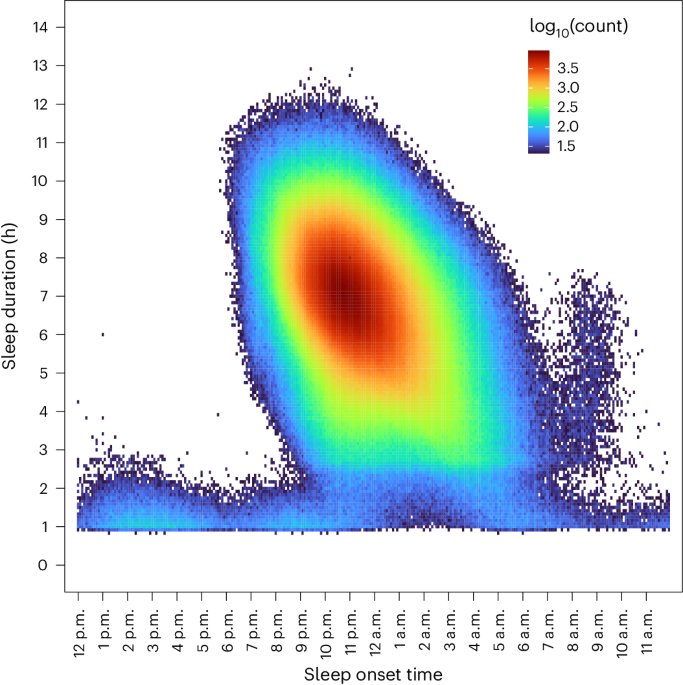
By tracking sleep patterns over extended periods, wearables provide a unique opportunity to observe the long-term effects of sleep on health, offering valuable insights for both public health policies and individual health management.

By |December 4, 2024|Categories: Article, Health, Technology|Tags: , |0 Comments