The CrowdStrike Outage: A Glitch in the Aviation Matrix

On July 19, 2024, a name once known primarily in IT and cybersecurity circles, CrowdStrike, became a household topic. This sudden notoriety was not due to a breakthrough in cyber defense but rather a flawed software update that rippled through digital ecosystems worldwide. The update, intended to enhance the Falcon Sensor vulnerability scanner, inadvertently disrupted millions of computers, particularly affecting those running the Windows operating system. This incident underscored the critical importance of endpoint security in our increasingly connected world.

CrowdStrike, based in Austin, Texas, has long been a leader in cybersecurity, providing threat intelligence and cyber-attack response services globally. Its reputation soared in 2016 when it identified hacking attempts on U.S. government entities. By 2024, the company had secured nearly 25% of the endpoint security market share, becoming a top performer in the S&P 500 index.

The Aviation Sector in Turmoil

The ill-fated update’s impact was most acutely felt in the aviation sector. Thousands of flights were canceled as critical systems for ticket reservations, flight scheduling, and aircraft maintenance were disrupted. The U.S. airlines, employing a “hub and spoke” model, were particularly vulnerable. One airline reportedly canceled around 5,000 flights, incurring losses of approximately $500 million. In contrast, airlines operating a “point to point” system experienced less severe disruptions.

This cascade of cancellations was compounded by the fact that airlines outsource many services. The outage affected these service providers as well, making it difficult to coordinate essential functions like cabin cleaning and gate security, further exacerbating delays and cancellations.

Network Contagion and Recovery

While the glitch affected fewer than 1% of Windows-based computers, this still translated to about 8.5 million devices globally. According to a Reuters report, Microsoft acknowledged the small percentage but noted the broad economic and societal impacts due to CrowdStrike’s extensive enterprise usage.

Recovery was possible, albeit painstaking and costly. Many employees lacked the administrative rights or skills necessary for recovery, highlighting the need for robust cyber risk management strategies.

Lessons Learned and Moving Forward

This incident was not a breach of cybersecurity but a stark reminder of the potential ramifications of supply chain vulnerabilities. The estimated economic impact ranged from $1 billion to $10 billion, underscoring the challenge of quantifying insured loss value. It highlighted the fragility of global supply chains and the importance of cyber maturity and insurance to mitigate future risks.

Organizations are now urged to explore cyber risk scenarios proactively, ensuring they are well-prepared for potential threats. Those who have taken these initial steps are already ahead in the race against cyber threats.

For more insights, visit the original article on WTW.

More Articles

Getting licensed or staying ahead in your career can be a journey—but it doesn’t have to be overwhelming. Grab your favorite coffee or tea, take a moment to relax, and browse through our articles. Whether you’re just starting out or renewing your expertise, we’ve got tips, insights, and advice to keep you moving forward. Here’s to your success—one sip and one step at a time!

Proptech Promised a Revolution — So Why Does Real Estate Still Feel the Same?

Despite billions poured into proptech and a decade of flashy digital upgrades, the real estate experience remains largely unchanged. Apps made processes smoother, but not more transparent — because the industry’s core structures, data control and power dynamics stayed the same. True disruption will come from platforms that shift information and control to consumers, not just digitize outdated systems.

CRE Markets Wake Up in 2026: What Real Estate Professionals Need to Know

Early 2026 is delivering a clear message: commercial real estate is entering a recalibration phase. Construction is softening, pending home sales just saw a sharp drop, consumer sentiment is inching upward but remains fragile, and capital markets are tightening as major CRE sectors face rising distress. From data centers powering ahead to CMBS foreclosures climbing and office-to-residential conversions gaining momentum, professionals across real estate, mortgage, insurance, and finance need to stay sharp as the industry shifts.

Top 10 Highest-Paying Real Estate Careers of 2026

Discover the real estate roles earning the biggest paychecks in 2026. From investment consultants to commercial leasing managers, this breakdown highlights the salaries, responsibilities, and career paths offering the strongest financial potential in today’s evolving market—perfect for newcomers and seasoned professionals mapping their next big move.

Montana Launches Bold Licensing Reform Task Force to Boost Workforce Participation

Montana is taking major steps to remove outdated licensing barriers and strengthen its workforce. Governor Greg Gianforte has created a new Licensing Reform Task Force aimed at modernizing regulations, speeding up approvals, and helping more professionals enter high‑demand fields like construction and healthcare. With licensing numbers doubling over the past decade and rural communities facing critical shortages, the state is pushing for faster, more efficient pathways to work. The task force begins meeting in February and will deliver its full reform report by September 2026 — a move that could influence licensing modernization efforts nationwide.

AI Becomes Standard Gear for Real Estate Agents in 2026

Artificial intelligence has officially moved from novelty to necessity in the real estate world. According to new industry data, 97% of brokerage leaders say their agents now rely on AI tools for everything from listing descriptions to full-scale marketing campaigns. As adoption skyrockets, so do concerns over training, accuracy, and compliance — especially among smaller firms. The message is clear: for today’s real estate professionals, AI literacy isn’t optional anymore.

How the Biggest Players Shaped the 2025 Commercial Real Estate Comeback

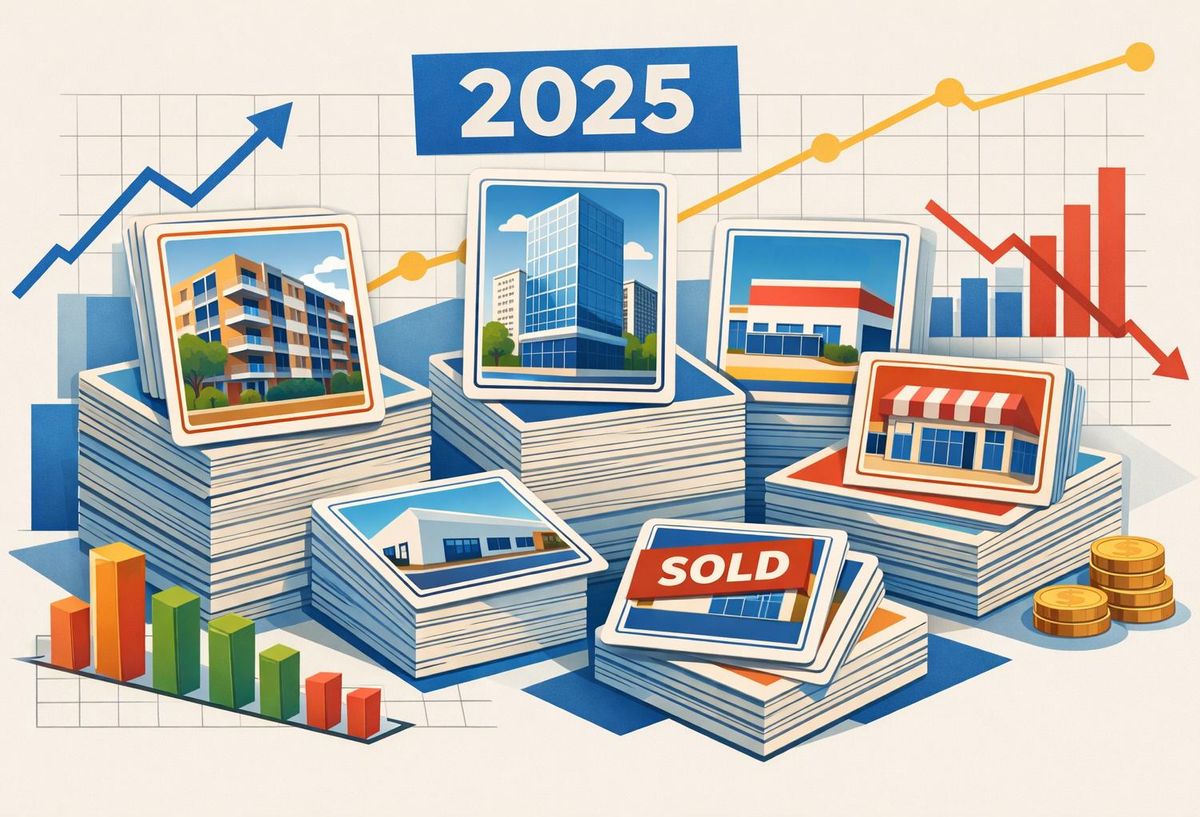
Commercial real estate roared back to life in 2025, with more than $255B pouring into multifamily, industrial, office and retail assets. Major investors moved fast on falling interest rates, improving bond yields and rising confidence across sectors. Multifamily dominated with over $115B in deals, industrial surged under private equity leadership, office saw renewed activity from owner-users and retail proved surprisingly resilient. For today’s real estate and finance professionals, the message is clear: opportunity favors those who stay informed and ready to act.