The CrowdStrike Outage: A Glitch in the Aviation Matrix

On July 19, 2024, a name once known primarily in IT and cybersecurity circles, CrowdStrike, became a household topic. This sudden notoriety was not due to a breakthrough in cyber defense but rather a flawed software update that rippled through digital ecosystems worldwide. The update, intended to enhance the Falcon Sensor vulnerability scanner, inadvertently disrupted millions of computers, particularly affecting those running the Windows operating system. This incident underscored the critical importance of endpoint security in our increasingly connected world.

CrowdStrike, based in Austin, Texas, has long been a leader in cybersecurity, providing threat intelligence and cyber-attack response services globally. Its reputation soared in 2016 when it identified hacking attempts on U.S. government entities. By 2024, the company had secured nearly 25% of the endpoint security market share, becoming a top performer in the S&P 500 index.

The Aviation Sector in Turmoil

The ill-fated update’s impact was most acutely felt in the aviation sector. Thousands of flights were canceled as critical systems for ticket reservations, flight scheduling, and aircraft maintenance were disrupted. The U.S. airlines, employing a “hub and spoke” model, were particularly vulnerable. One airline reportedly canceled around 5,000 flights, incurring losses of approximately $500 million. In contrast, airlines operating a “point to point” system experienced less severe disruptions.

This cascade of cancellations was compounded by the fact that airlines outsource many services. The outage affected these service providers as well, making it difficult to coordinate essential functions like cabin cleaning and gate security, further exacerbating delays and cancellations.

Network Contagion and Recovery

While the glitch affected fewer than 1% of Windows-based computers, this still translated to about 8.5 million devices globally. According to a Reuters report, Microsoft acknowledged the small percentage but noted the broad economic and societal impacts due to CrowdStrike’s extensive enterprise usage.

Recovery was possible, albeit painstaking and costly. Many employees lacked the administrative rights or skills necessary for recovery, highlighting the need for robust cyber risk management strategies.

Lessons Learned and Moving Forward

This incident was not a breach of cybersecurity but a stark reminder of the potential ramifications of supply chain vulnerabilities. The estimated economic impact ranged from $1 billion to $10 billion, underscoring the challenge of quantifying insured loss value. It highlighted the fragility of global supply chains and the importance of cyber maturity and insurance to mitigate future risks.

Organizations are now urged to explore cyber risk scenarios proactively, ensuring they are well-prepared for potential threats. Those who have taken these initial steps are already ahead in the race against cyber threats.

For more insights, visit the original article on WTW.

More Articles

Getting licensed or staying ahead in your career can be a journey—but it doesn’t have to be overwhelming. Grab your favorite coffee or tea, take a moment to relax, and browse through our articles. Whether you’re just starting out or renewing your expertise, we’ve got tips, insights, and advice to keep you moving forward. Here’s to your success—one sip and one step at a time!

The 2026 CRE Tech Revolution: How Data, Automation, and AI Are Rewriting Commercial Real Estate

Commercial real estate is entering its most transformative era yet. In 2026, success hinges on mastering predictive analytics, smart‑building automation, and sustainability tech—tools that now determine everything from ROI forecasting to tenant retention. As PropTech evolves into an interconnected ecosystem of AI, automation, and ESG‑driven systems, CRE professionals who embrace this shift will lead the next generation of market innovation, while those who rely on traditional instincts risk being left behind.

Florida’s Mobile Home Rent Shake‑Up: New Bills Aim to Rein In Rent Hikes and Boost Tenant Protections

Florida lawmakers are pushing major reforms that could dramatically change life for more than 800,000 mobile home park residents. New bills would force park owners to justify rent increases, expand relocation assistance, strengthen tenant rights, and add penalties for reducing amenities without lowering rent. With many residents facing steep price jumps on fixed incomes, the proposed laws mark one of the state’s biggest moves toward accountability and transparency in decades — and real estate professionals will need to stay informed as the changes progress.

Mortgage Refinance Surge Faces Sudden Reversal as Rates Jump Again

Refinance activity exploded for a second straight week as mortgage rates briefly dipped to their lowest levels since late 2024. Homeowners rushed to lock in savings, pushing refinance applications to nearly triple last year’s volume. But the momentum may be short‑lived. Early this week, rates spiked again as markets reacted to new tariff concerns and global uncertainty, erasing much of the recent progress. Both refinance and purchase demand remain strong, but volatility continues to challenge borrowers and professionals across the real estate and mortgage sectors.

Welcome to the Age of the AI Real Estate Agent

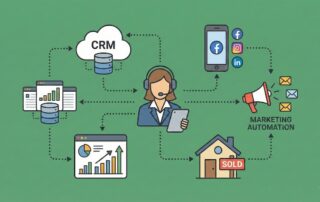
The real estate industry has officially entered its AI era, with agents across the country adopting advanced tools that streamline workflow, boost productivity, and transform daily operations. According to a new HousingWire report, tasks that once took hours now take minutes, agents are seeing up to 40 percent productivity growth, and unified AI platforms are helping brokerages deliver faster, smarter, and more personalized marketing than ever before.

Hawai‘i’s 2026 Economic Crossroads: A State in Transition with Opportunities for Professionals

Hawai‘i enters 2026 with a mix of strength and vulnerability. Construction is booming with billions in federal and military projects, yet tourism—the backbone of the local economy—is slowing at a difficult moment. Real estate shows early signs of revival as mortgage rates fall, while health care, small business, and banking navigate shifting federal funding and economic uncertainty. For professionals across real estate, finance, construction, and other licensed industries, Hawai‘i offers a clear preview of the economic pressures and emerging opportunities taking shape nationwide.

Florida’s Insurance Crisis Finally Shows Relief as Lawmakers Push for More Consumer‑Focused Reforms

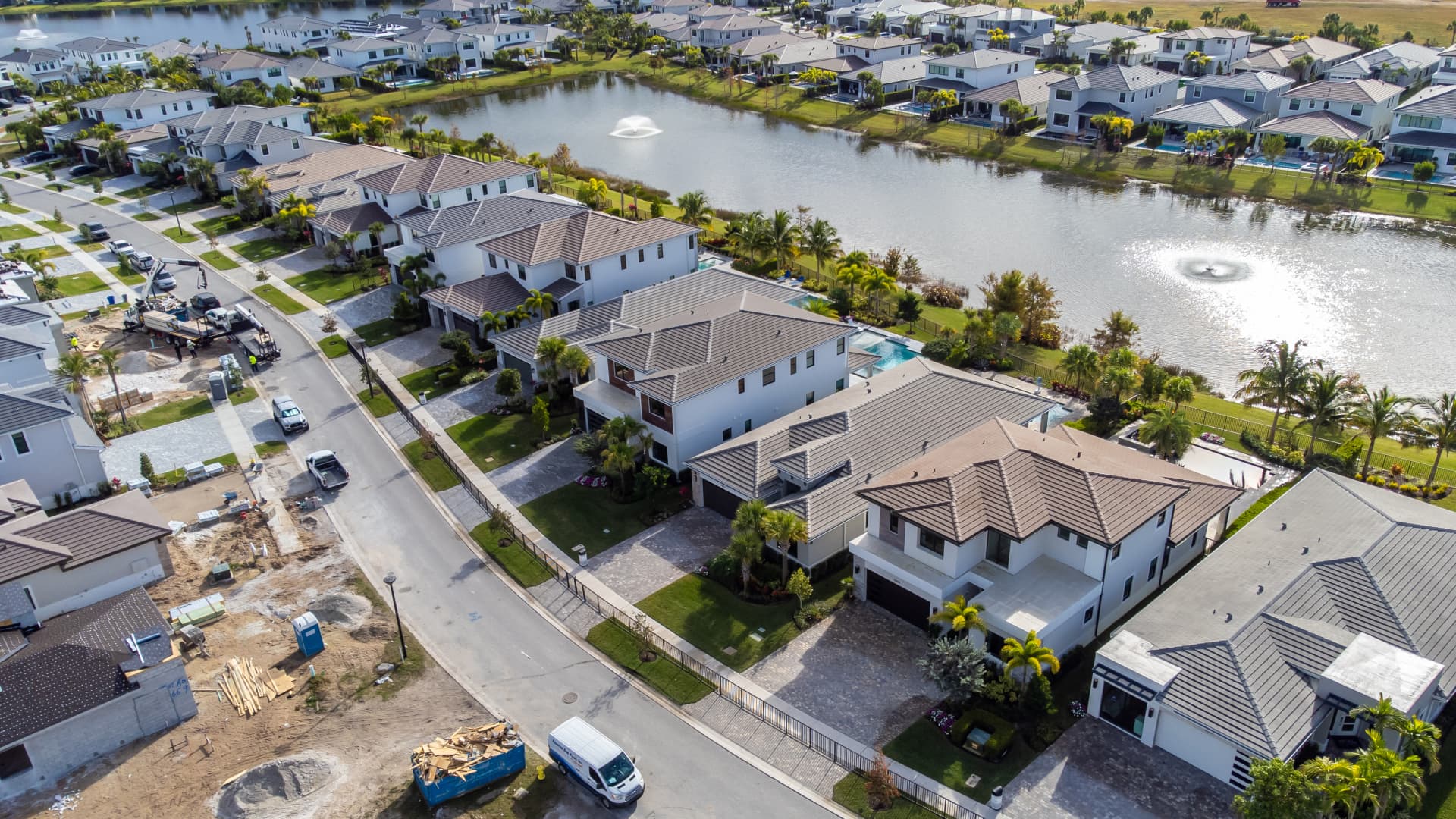
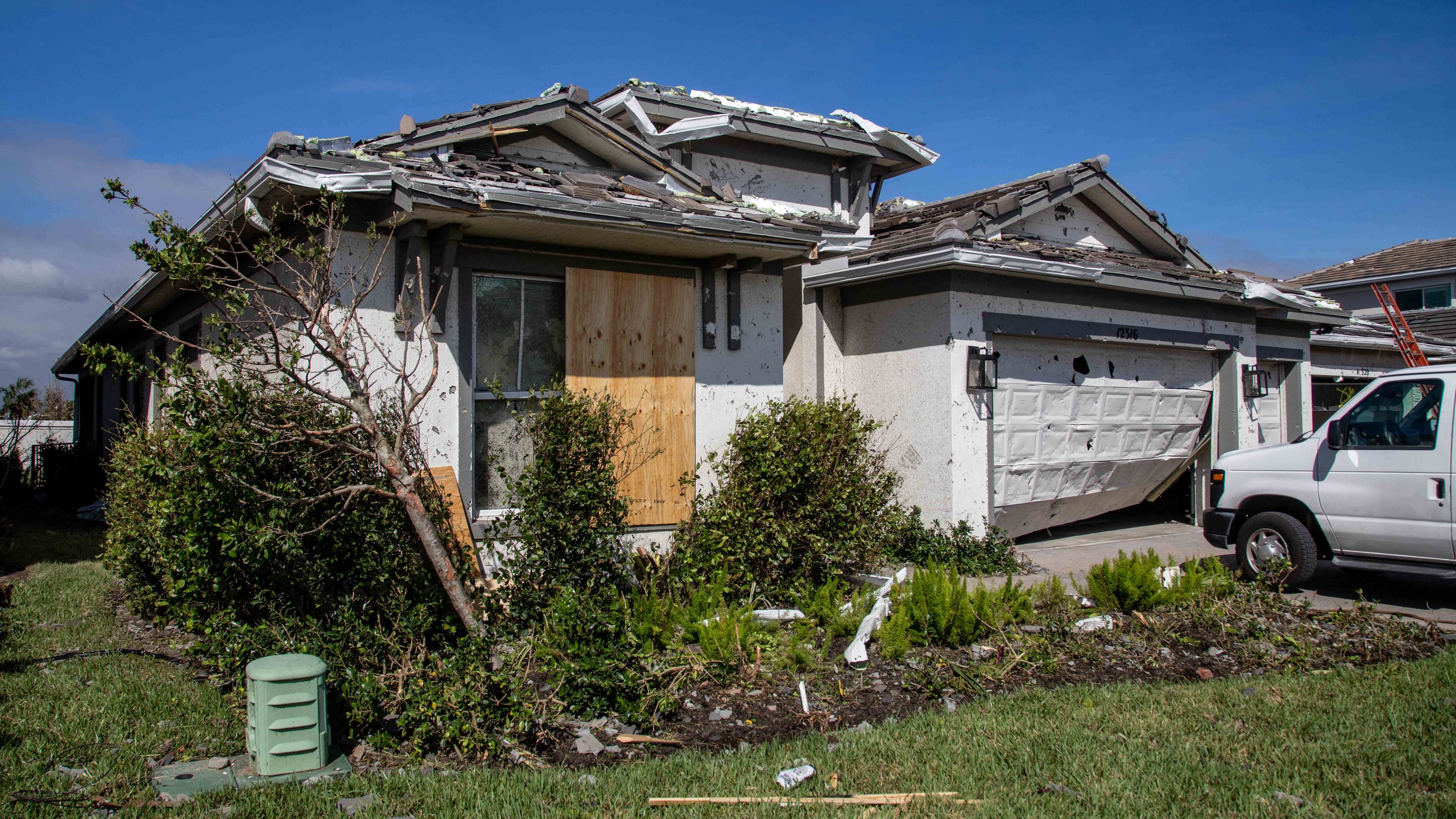
Florida’s property insurance market is stabilizing after years of turmoil, but lawmakers say the job isn’t done. New proposals target profit‑sharing oversight, premium transparency, and a statewide claim‑free discount program—offering potential relief for homeowners and key insights for real estate and mortgage professionals navigating the shifting landscape.