The Deep-Learning Triple Threat Transforming Medical Imaging
In a world where technology is reshaping industries at an unprecedented pace, the field of radiology stands on the cusp of a revolution, thanks to advancements in artificial intelligence (AI). The integration of AI into medical imaging systems has introduced a new era of speed, detail, and precision, promising to redefine the landscape of healthcare diagnostics.
AI: A Triple Threat in Radiology
AI is being hailed as a “triple threat” in radiology, impacting planning, scanning, and diagnosis. As detailed in a recent column by Kelly Londy of GE HealthCare, these intelligent imaging systems are ushering in seismic changes reminiscent of the transformative impact of computer-assisted tomography in the late 20th century. You can read the full article on AuntMinnie.
Unleashing the Power of Deep Learning
A subset of AI, deep learning, is at the heart of these advancements. By employing artificial neural networks, deep learning mimics the human brain’s ability to learn, enabling computers to process complex data with remarkable efficiency. This capability allows for the creation of detailed, comprehensive imaging data, even in challenging conditions such as patient movement during scans.
Enhancing Patient Care and Workflow
The benefits of AI in radiology extend beyond image quality and scan speed. By automating routine tasks like image segmentation and measurement, AI serves as an “intelligent assistant” to radiologists, potentially reducing burnout and enhancing job satisfaction. This, in turn, allows healthcare professionals to dedicate more time to patient interactions and personal care.
Sustainability and Access
AI’s impact is not limited to clinical outcomes. As Londy notes, AI technologies are driving sustainability in healthcare by reducing energy consumption and CO2 emissions, thereby alleviating cost pressures and improving access to essential imaging services.
Looking Ahead
The future of medical imaging is bright, with AI poised to play an even more significant role. As deep learning continues to evolve, its applications will extend into planning and diagnosis, revolutionizing the patient experience and unlocking new possibilities in personalized medicine.
In the realm of neuroscience, AI-powered MRI is already making strides, offering insights into brain structures and functionalities previously unexplored. These innovations promise to enhance the diagnosis and treatment of complex neurological disorders, paving the way for breakthroughs in medical science.
As we stand on the brink of this technological transformation, the potential for AI to empower clinicians and improve patient care is immense. The integration of AI into clinical practice is set to revolutionize radiology, making diagnostics faster, more accurate, and more accessible than ever before.
Kelly Londy is president and CEO of GE HealthCare’s MR business. The views expressed in this article are her own and do not necessarily reflect those of AuntMinnie.com.
“`
More Articles
Getting licensed or staying ahead in your career can be a journey—but it doesn’t have to be overwhelming. Grab your favorite coffee or tea, take a moment to relax, and browse through our articles. Whether you’re just starting out or renewing your expertise, we’ve got tips, insights, and advice to keep you moving forward. Here’s to your success—one sip and one step at a time!
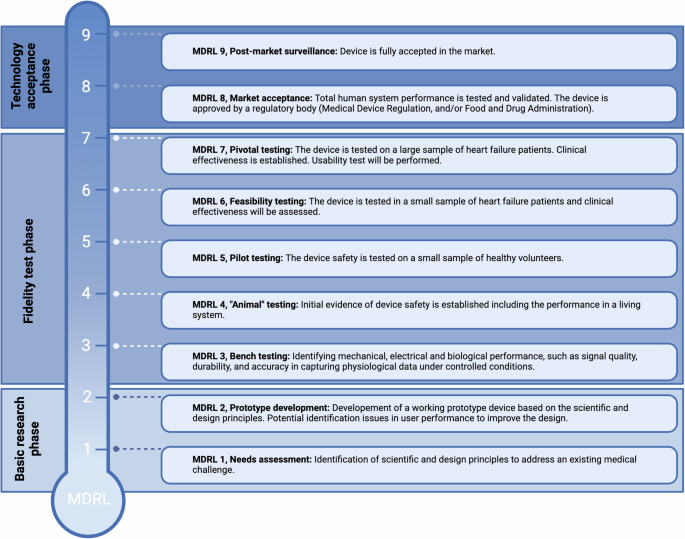
Wearable devices offer a personalized and empowering experience for patients, potentially becoming a vital component of modern heart failure management. Yet, the review underscores a significant barrier: the lack of rigorous evaluations.
In the ever-evolving landscape of finance, the integration of AI technology is revolutionizing how financial institutions operate, interact with customers, and make strategic decisions.
In Kenya, a financial revolution is quietly unfolding with the emergence of blockchain-based microcredit, promising to enhance financial inclusion by addressing accessibility and trust challenges inherent in traditional banking systems.
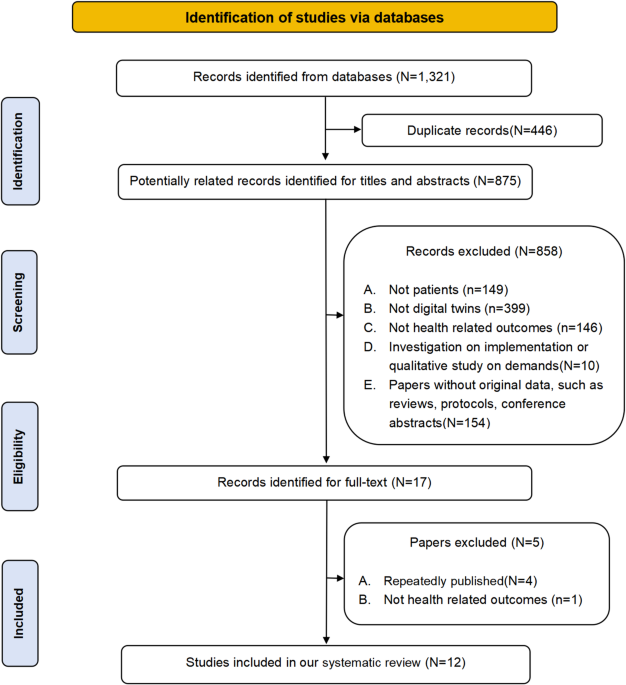
Digital twins are emerging as a pivotal technology in the realm of precision health, revolutionizing patient outcomes through personalized health management, precision therapies, and risk prediction.
The global 3D printing construction market is on the brink of a remarkable transformation. Currently valued at USD 0.34 billion in 2023, it is projected to surge to USD 910 million by 2024, and ultimately reach USD 2.3 billion by 2032.
As the world of healthcare continues to evolve, nurses are at the forefront, embracing telehealth technology to revolutionize patient care. With the increased demand on healthcare systems due to an aging population and ongoing nursing shortages, telehealth is becoming an indispensable tool for nurses, enhancing patient outcomes and expanding access to quality healthcare.

 Enhancing Patient Care and Workflow
The benefits of AI in radiology extend beyond image quality and scan speed. By automating routine tasks like image segmentation and measurement, AI serves as an “intelligent assistant” to radiologists, potentially reducing burnout and enhancing job satisfaction. This, in turn, allows healthcare professionals to dedicate more time to patient interactions and personal care.
Sustainability and Access
AI’s impact is not limited to clinical outcomes. As Londy notes, AI technologies are driving sustainability in healthcare by reducing energy consumption and CO2 emissions, thereby alleviating cost pressures and improving access to essential imaging services.
Looking Ahead
The future of medical imaging is bright, with AI poised to play an even more significant role. As deep learning continues to evolve, its applications will extend into planning and diagnosis, revolutionizing the patient experience and unlocking new possibilities in personalized medicine.
In the realm of neuroscience, AI-powered MRI is already making strides, offering insights into brain structures and functionalities previously unexplored. These innovations promise to enhance the diagnosis and treatment of complex neurological disorders, paving the way for breakthroughs in medical science.
As we stand on the brink of this technological transformation, the potential for AI to empower clinicians and improve patient care is immense. The integration of AI into clinical practice is set to revolutionize radiology, making diagnostics faster, more accurate, and more accessible than ever before.
Kelly Londy is president and CEO of GE HealthCare’s MR business. The views expressed in this article are her own and do not necessarily reflect those of AuntMinnie.com.
“`
Enhancing Patient Care and Workflow
The benefits of AI in radiology extend beyond image quality and scan speed. By automating routine tasks like image segmentation and measurement, AI serves as an “intelligent assistant” to radiologists, potentially reducing burnout and enhancing job satisfaction. This, in turn, allows healthcare professionals to dedicate more time to patient interactions and personal care.
Sustainability and Access
AI’s impact is not limited to clinical outcomes. As Londy notes, AI technologies are driving sustainability in healthcare by reducing energy consumption and CO2 emissions, thereby alleviating cost pressures and improving access to essential imaging services.
Looking Ahead
The future of medical imaging is bright, with AI poised to play an even more significant role. As deep learning continues to evolve, its applications will extend into planning and diagnosis, revolutionizing the patient experience and unlocking new possibilities in personalized medicine.
In the realm of neuroscience, AI-powered MRI is already making strides, offering insights into brain structures and functionalities previously unexplored. These innovations promise to enhance the diagnosis and treatment of complex neurological disorders, paving the way for breakthroughs in medical science.
As we stand on the brink of this technological transformation, the potential for AI to empower clinicians and improve patient care is immense. The integration of AI into clinical practice is set to revolutionize radiology, making diagnostics faster, more accurate, and more accessible than ever before.
Kelly Londy is president and CEO of GE HealthCare’s MR business. The views expressed in this article are her own and do not necessarily reflect those of AuntMinnie.com.
“`