In the face of escalating natural disasters, the economic wisdom of investing in climate resilience and preparedness is becoming increasingly clear. According to a recent report by the U.S. Chamber of Commerce, in partnership with Allstate and the U.S. Chamber of Commerce Foundation, each dollar spent on disaster preparedness can yield a remarkable $13 in savings on economic impact, damage, and cleanup costs.

The Economic Case for Preparedness

The report highlights the immense financial toll of natural disasters, which in 2022 alone exceeded $360 billion globally. By modeling 25 different disaster scenarios, the study demonstrates the potential economic benefits of proactive investments in resilience. For instance, a mere $1 investment in resilience not only reduces damage costs by $6 but also saves an additional $7 in economic costs post-disaster.

Case Studies: Real-World Impacts

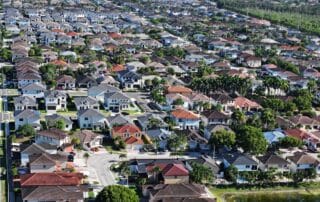
  • Miami and Hurricanes: A $10.8 billion investment in preparedness for a Category 4 hurricane in Miami could prevent the loss of approximately 184,000 jobs and save $26 billion in production and $17 billion in income.
  • San Diego and Earthquakes: An $833 million investment can save about 38,000 jobs and preserve $5.8 billion in production and $3.3 billion in income during a major earthquake.
  • Nashville and Tornadoes: For a serious tornado, $83 million in preparedness investments could save more than 5,300 jobs, $683 million in production, and $464 million in income
  • Redding and Droughts: An $83 million investment could save 474 jobs and preserve $67 million in output during a drought/heat wave
  • Santa Fe and Wildfires: Similarly, $83 million could save 388 jobs and $45 million in output during a wildfire


Beyond Immediate Savings

Investments in resilience have broader economic implications, preserving jobs and incomes that might otherwise be lost. The report urges policymakers, businesses, and communities to recognize the economic advantages of preparedness, emphasizing the long-term benefits over short-term costs.

Join the Conversation

September is National Preparedness Month, a time to raise awareness about climate resiliency. Engage with resources like the Climate Resiliency Report Social Media Toolkit to help your community prepare for future disasters.

Conclusion

The findings underscore a critical truth: preparedness pays off. By investing in resilience today, we can safeguard our economic futures against the uncertainties of tomorrow. For more insights, explore the full report.

More Articles

Getting licensed or staying ahead in your career can be a journey—but it doesn’t have to be overwhelming. Grab your favorite coffee or tea, take a moment to relax, and browse through our articles. Whether you’re just starting out or renewing your expertise, we’ve got tips, insights, and advice to keep you moving forward. Here’s to your success—one sip and one step at a time!

Portable Mortgages Could Rewrite the Housing Market

The Trump administration is considering letting homeowners take their low mortgage rates with them when they move—a major shift that could ease inventory shortages but disrupt mortgage‑backed securities and raise legal challenges.

Washington Fines Mortgage Broker Over $60K in Major Compliance Crackdown

Washington State regulators issued more than $62,650 in penalties, fees, and restitution to a mortgage broker after uncovering widespread violations, including inaccurate call reports, 79 webpages missing mandatory disclosures, prohibited advertising language, unregistered trade names, and improper borrower preapprovals. The case serves as a crucial reminder for all mortgage, real estate, insurance, and finance professionals to stay vigilant with compliance as oversight continues to tighten nationwide.

The Real Cost of Owning a Home in 2025: Zillow’s New Report Shows a Price Surge Buyers Can’t Ignore

Hidden homeownership expenses are climbing fast, with Zillow revealing that Americans now pay nearly $16,000 a year in taxes, insurance, and maintenance—up sharply from previous years. Soaring premiums, especially in Florida, and rising upkeep costs are reshaping affordability, slowing sales, and creating new challenges for both first-time buyers and seasoned homeowners.

US Commercial Insurance Rates Shift in 2025 as Most Premiums Rise and Workers’ Comp Drops

The latest Ivans Index reveals a mixed but meaningful shift in the 2025 commercial insurance landscape, with most major coverages—including commercial auto, general liability, BOP, property, and umbrella—experiencing year‑over‑year premium increases. Workers’ compensation remains the lone category trending downward. Rising claims costs, reinsurance pressures, and market capacity changes continue to drive rates upward, while Ivans’ new Benchmarks tool brings real‑time pricing intelligence to insurers. For real estate, insurance, mortgage, and business professionals, staying informed on these changes is key to planning, budgeting, and managing risk in the year ahead.

Mortgage Rates Dip as 50-Year Loan Proposal Sparks Big Market Reactions

This week’s mortgage update brought only a slight rate decline, but a much bigger conversation: the possibility of a 50-year mortgage. While a longer term could lower monthly payments by about $130 on a typical $400,000 loan, experts warn it would add more than $500,000 in extra interest and dramatically slow equity growth. With inflation still elevated and the Fed’s next moves uncertain, mortgage rates may edge higher heading into the season. Real estate and mortgage professionals should be ready to address client questions as this ultra-long loan idea gains attention, especially in markets like Florida where affordability remains tight.

LKP Finance’s Profit, Legal Battles, and Surprise Rebrand: A Wake‑Up Call for Today’s Professionals

LKP Finance reported a solid Rs 583.15‑lakh profit for Q2 2025 — but beneath the surface lies a storm of leadership changes, litigation over multi‑crore debts, a rare 12‑year‑old loan write‑back, and a full corporate transformation into Gyftr Limited. From compliance shake‑ups to a dramatic pivot into digital gifting and fintech, this quarter offers big lessons for professionals navigating fast‑evolving industries.