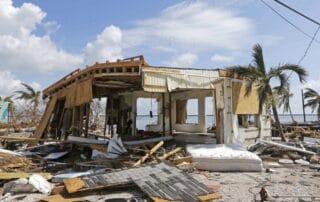
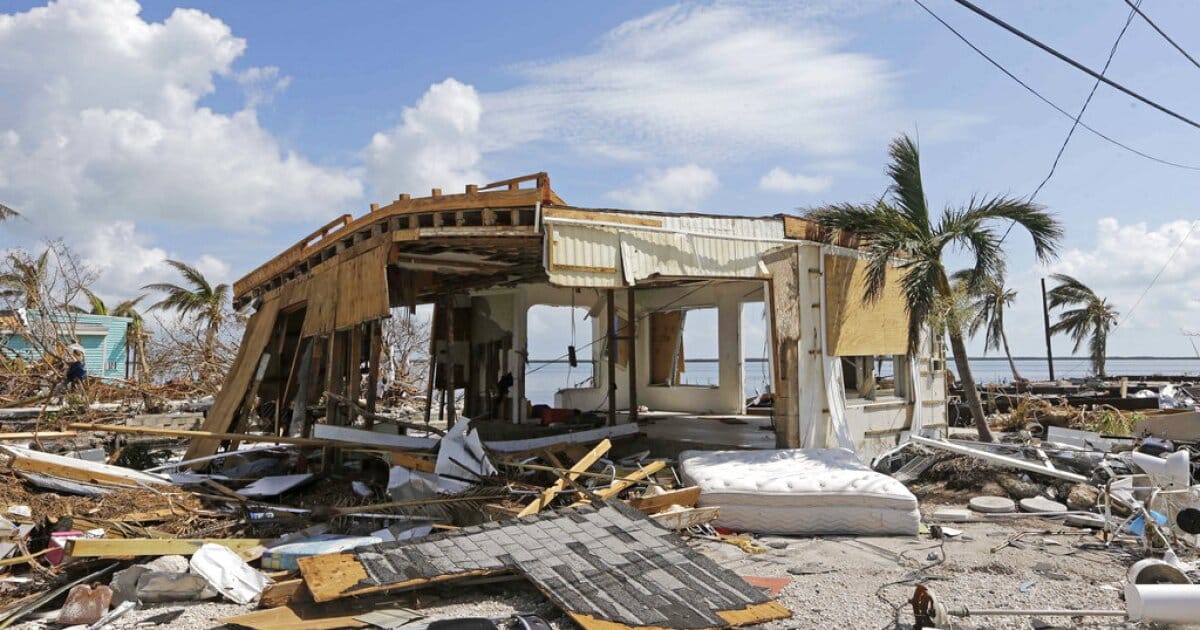
In the face of escalating natural disasters, the economic wisdom of investing in climate resilience and preparedness is becoming increasingly clear. According to a recent report by the U.S. Chamber of Commerce, in partnership with Allstate and the U.S. Chamber of Commerce Foundation, each dollar spent on disaster preparedness can yield a remarkable $13 in savings on economic impact, damage, and cleanup costs.

The Economic Case for Preparedness

The report highlights the immense financial toll of natural disasters, which in 2022 alone exceeded $360 billion globally. By modeling 25 different disaster scenarios, the study demonstrates the potential economic benefits of proactive investments in resilience. For instance, a mere $1 investment in resilience not only reduces damage costs by $6 but also saves an additional $7 in economic costs post-disaster.

Case Studies: Real-World Impacts

  • Miami and Hurricanes: A $10.8 billion investment in preparedness for a Category 4 hurricane in Miami could prevent the loss of approximately 184,000 jobs and save $26 billion in production and $17 billion in income.
  • San Diego and Earthquakes: An $833 million investment can save about 38,000 jobs and preserve $5.8 billion in production and $3.3 billion in income during a major earthquake.
  • Nashville and Tornadoes: For a serious tornado, $83 million in preparedness investments could save more than 5,300 jobs, $683 million in production, and $464 million in income
  • Redding and Droughts: An $83 million investment could save 474 jobs and preserve $67 million in output during a drought/heat wave
  • Santa Fe and Wildfires: Similarly, $83 million could save 388 jobs and $45 million in output during a wildfire


Beyond Immediate Savings

Investments in resilience have broader economic implications, preserving jobs and incomes that might otherwise be lost. The report urges policymakers, businesses, and communities to recognize the economic advantages of preparedness, emphasizing the long-term benefits over short-term costs.

Join the Conversation

September is National Preparedness Month, a time to raise awareness about climate resiliency. Engage with resources like the Climate Resiliency Report Social Media Toolkit to help your community prepare for future disasters.

Conclusion

The findings underscore a critical truth: preparedness pays off. By investing in resilience today, we can safeguard our economic futures against the uncertainties of tomorrow. For more insights, explore the full report.

More Articles

Getting licensed or staying ahead in your career can be a journey—but it doesn’t have to be overwhelming. Grab your favorite coffee or tea, take a moment to relax, and browse through our articles. Whether you’re just starting out or renewing your expertise, we’ve got tips, insights, and advice to keep you moving forward. Here’s to your success—one sip and one step at a time!

Florida Judge Reopens Hundreds of Citizens Insurance Disputes, Triggering Statewide Arbitration Shake‑Up

A Leon County judge has ordered Florida’s administrative courts to restart arbitration on more than 400 stalled Citizens Insurance cases, reigniting a legal showdown over whether the state’s insurer of last resort can force policyholders out of traditional courtrooms. The ruling directly conflicts with a separate Hillsborough County injunction that called Citizens’ arbitration system “likely unconstitutional,” setting up a rare judicial clash that could reshape how Floridians fight denied or underpaid property claims.

Inhabit Unveils Cutting‑Edge AI, Fraud Prevention, and Compliance Tech Set to Transform Property Management in 2025

Inhabit has launched a powerful new suite of AI‑driven tools designed to modernize leasing, strengthen fraud prevention, and simplify compliance for property managers nationwide. From advanced leasing assistants and NYC‑specific regulatory AI to instant income verification and upcoming identity‑screening tech, these innovations aim to solve some of the industry’s toughest challenges. Real estate professionals—especially in multifamily—can expect faster operations, stronger safeguards, and a more efficient workflow as these technologies roll out.

The Coming Housing Surplus: How Baby Boomer Demographics Could Reshape the Real Estate Market

A growing body of demographic research suggests that today’s housing shortage may give way to a future surplus as millions of Baby Boomer–owned homes return to the market over the next two decades. With affordability at historic lows and inventory still tight, this long‑term shift could eventually cool prices and transform the landscape for real estate professionals. The analysis draws parallels to aging populations abroad and highlights why understanding demographic cycles is becoming essential knowledge for agents, brokers, and mortgage professionals preparing for the next era of the housing market.

Griffin Funding Elevates John Jones to SVP of Growth as Lender Targets $3B in Non‑QM Volume

Griffin Funding has appointed John Jones as Senior Vice President of Growth and EOS Integrator, a move aimed at accelerating the lender’s push toward $3 billion in annual non‑QM loan volume by 2030. Jones, previously the company’s fractional integrator and COO, will lead expansion strategies, operational optimization, and leadership development as the lender strengthens its position in the increasingly competitive non‑QM market.

Tampa Defies National Real Estate Slowdown With Nearly 20% Stronger Multifamily Returns

A new report shows Tampa outperforming the national real estate slowdown with a 6.5 percent annualized multifamily return, nearly 20 percent higher than the U.S. average. While many metros face oversupply or regulatory drag, Tampa’s balanced development pipeline, strong population growth, and investor confidence continue to fuel resilient performance heading into 2026.

Global Investors Are Re‑Entering the Market—and Their Next Moves Could Reshape 2026

A new Colliers outlook reveals that global capital is picking up momentum again, with investors shifting toward more active, hands‑on strategies. Data centers are surging, offices are rebounding, and value‑add plays like adaptive reuse are defining the next wave of opportunity. Regional markets—from the U.S. to APAC—are seeing renewed demand as fundraising spreads across continents and investors seek speed, control, and scale. This snapshot helps today’s real estate and finance professionals stay aligned with where global money is moving next.