“`html

In a rapidly evolving digital landscape, the banking sector is bracing for a new wave of fraud, fueled by advancements in generative AI. According to a recent article by Deloitte, the sophistication of AI technology has made it easier than ever to create convincing deepfakes and fraudulent schemes, posing unprecedented challenges for fraud detection and prevention. Read the original article.


Case in Point: In January 2024, a Hong Kong-based employee unwittingly transferred US$25 million to fraudsters after being duped by a deepfake video call. The call, which appeared to involve her CFO and colleagues, was entirely fabricated. This incident, highlighted in a CNN article, underscores the growing threat posed by AI-generated content.


Deloitte’s Center for Financial Services anticipates that losses from AI-enabled fraud could skyrocket to US$40 billion in the United States by 2027, a significant increase from the US$12.3 billion recorded in 2023. This prediction reflects a compound annual growth rate of 32%, as noted in the Carnegie Endowment Report.


Technological Advancements: Generative AI has democratized access to tools capable of creating deepfake videos, fictitious voices, and documents. This accessibility has led to a cottage industry on the dark web, selling scamming software for as little as US$20. The proliferation of such tools is rendering traditional anti-fraud measures less effective.


Financial institutions are particularly vulnerable to generative AI fraud, with deepfake incidents reportedly increasing by 700% in the fintech sector in 2023. While banks have been at the forefront of using innovative technologies to combat fraud, a US Treasury report suggests that existing risk management frameworks may not be adequate to address emerging AI technologies.


Future Strategies: To combat this growing threat, banks must invest in AI and machine learning tools capable of detecting, alerting, and responding to fraud. Some institutions, like JPMorgan, are already utilizing large language models to identify email compromises. Similarly, Mastercard’s Decision Intelligence tool analyzes a trillion data points to predict transaction authenticity.


Banks are encouraged to collaborate with third-party technology providers and engage with regulators to develop new industry standards. By integrating compliance early in technology development, banks can ensure their systems are prepared for regulatory scrutiny.


Ultimately, banks must prioritize investments in training employees to recognize and report AI-assisted fraud. As the risk of fraud escalates, driven by generative AI, banks have an opportunity to build more agile fraud teams to safeguard their operations and customers.


For a more detailed analysis, visit the Deloitte Center for Financial Services.

“`

More Articles

Getting licensed or staying ahead in your career can be a journey—but it doesn’t have to be overwhelming. Grab your favorite coffee or tea, take a moment to relax, and browse through our articles. Whether you’re just starting out or renewing your expertise, we’ve got tips, insights, and advice to keep you moving forward. Here’s to your success—one sip and one step at a time!

Qubetics Presale Triumph and Digital Finance Innovations

As the digital finance landscape evolves, Qubetics emerges as a formidable player, captivating the crypto community with its impressive presale success.

By |October 15, 2024|Categories: Article, Cryptocurrency, Finance|Tags: , |0 Comments

Investing Like Trump: A Modern Approach to Wealth Building

In the world of high-stakes investing, few figures are as iconic as Donald Trump. Known for his real estate empire and ventures into entertainment, Trump has built a legacy of wealth that many aspire to emulate. But in today's economic climate, with interest rates soaring, how can one invest like Trump?

By |October 15, 2024|Categories: Article, Finance, Real Estate Investing|Tags: , |0 Comments

The Federal Reserve’s Rate Cut: Implications for the Housing Market

The Federal Reserve recently announced a significant interest rate cut by half a percentage point. The expectation is that mortgage rates might hover around 6.2% by year-end, with a potential decrease to 5.5% by the end of 2025.

By |October 15, 2024|Categories: Article, Housing Market, Interest Rates|Tags: |0 Comments

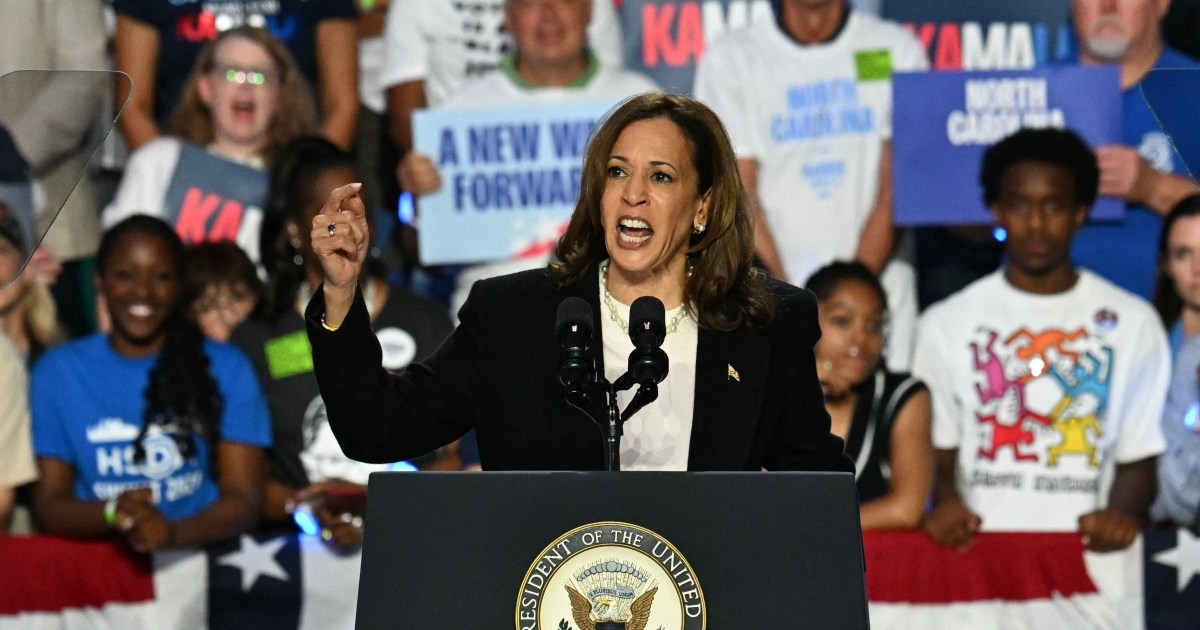
Kamala Harris Challenges Trump’s Business History with Small Business Tax Deduction Proposal

Harris unveiled her proposal for a $50,000 tax deduction aimed at small business startups. She then took a direct jab at Trump, asserting, “You know, not everybody started out with $400m on a silver platter and then filed for bankruptcy six times.”

By |October 15, 2024|Categories: Article, Business, Politics|Tags: |0 Comments

Understanding the 2008 Housing Market Crash: A Retrospective

The housing market crash of 2008 reshaped the global economy, triggered by subprime mortgages, predatory lending, and lack of financial regulation, leading to a global economic recession.

By |October 15, 2024|Categories: Article, Economics, Real Estate|Tags: , |0 Comments

Evolving Dynamics in the Housing Market: What Homebuyers Need to Know

"While the current market offers opportunities, it is also fraught with complexities. Navigating this landscape requires careful consideration and informed decision-making to ensure that both buyers and sellers can achieve their real estate goals."

By |October 15, 2024|Categories: Article, Housing Market Trends, Real Estate|Tags: , |0 Comments