The Ethical Maze of AI in Radiography: A Saudi Arabian Perspective
In an era where artificial intelligence (AI) is reshaping the landscape of healthcare, a recent study published in BMC Medical Ethics sheds light on the intricate ethical challenges radiographers face as they navigate AI integration in radiography. Conducted in Saudi Arabia, this cross-sectional study delves into the perspectives of radiographers, revealing a tapestry of enthusiasm and apprehension towards AI’s role in their field.
The research, available on the BMC Medical Ethics website, highlights the transformative opportunities AI presents for diagnostic imaging, alongside the ethical considerations that accompany its adoption. Through a structured questionnaire, radiographers shared their insights on AI’s ethical implications, emphasizing the need for transparency, patient privacy, and the establishment of ethical guidelines.
Unfamiliar Terrain
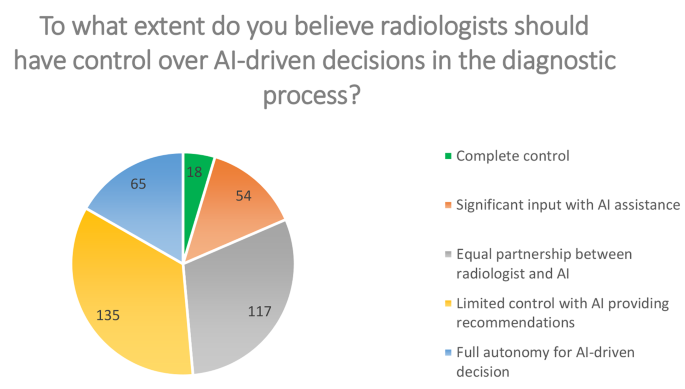
The study reveals a significant portion of radiographers are unfamiliar with AI’s integration into their practice, with many expressing uncertainty about the importance of AI transparency. However, a notable number advocate for AI systems that provide justifications for their decision-making processes, highlighting a desire for clarity in AI operations.
Ethical Dilemmas and Patient Privacy
Radiographers voiced concerns about ethical dilemmas that AI might introduce, with nearly half agreeing that AI could exacerbate these challenges. Patient privacy emerged as a critical issue, with a substantial portion of participants expressing apprehension about AI’s impact on confidentiality. These findings underscore the necessity for specific ethical guidelines to govern AI use in radiography.
Guiding the Future
The study calls for the development of robust ethical frameworks, educational improvements, and policy enhancements to ensure AI technologies are implemented safely and ethically. These measures aim to maximize diagnostic benefits while minimizing ethical risks, providing a roadmap for policymakers and practitioners to navigate the evolving AI landscape in healthcare.
For further insights into the study and its implications, visit the BMC Medical Ethics Journal.
CSS Styling
More Articles
Getting licensed or staying ahead in your career can be a journey—but it doesn’t have to be overwhelming. Grab your favorite coffee or tea, take a moment to relax, and browse through our articles. Whether you’re just starting out or renewing your expertise, we’ve got tips, insights, and advice to keep you moving forward. Here’s to your success—one sip and one step at a time!
Imagine a morning where the commute is just a few steps from your bedroom to your home office. This is the reality for many in today's post-pandemic world, where remote work has become a staple of the modern workforce.
CRISPR technology has become the frontrunner in genome editing, surpassing earlier methods like zinc finger nucleases and transcription activator-like effector nucleases. The recent FDA approval of the CRISPR-Cas9 drug, exa-cel, marks a significant milestone particularly for treating sickle cell disease and transfusion-dependent beta thalassemia.
In recent years, artificial intelligence has emerged as a revolutionary tool in the field of oncology. AI's integration into healthcare transcends buzzwords, transforming cancer diagnosis, treatment personalization, and drug discovery.
The rapid advancements in artificial intelligence (AI) are transforming the landscape of radiology, promising to enhance diagnostic accuracy and support personalized medicine. However, as this technology becomes more integral to medical imaging, it brings with it a host of ethical and societal considerations that cannot be ignored.
AI's promise in healthcare is undeniable, with its ability to uncover hidden disease patterns and predict illnesses. However, the reliance on historical data can exacerbate existing biases, particularly affecting marginalized communities such as the LGBTQIA+ and certain ethnic and racial groups.
Telemedicine stands out as a transformative force, offering a lifeline to patients and providers alike. As we move beyond the pandemic, the challenge is to integrate this technology without escalating costs or overshadowing the indispensable role of in-person consultations.