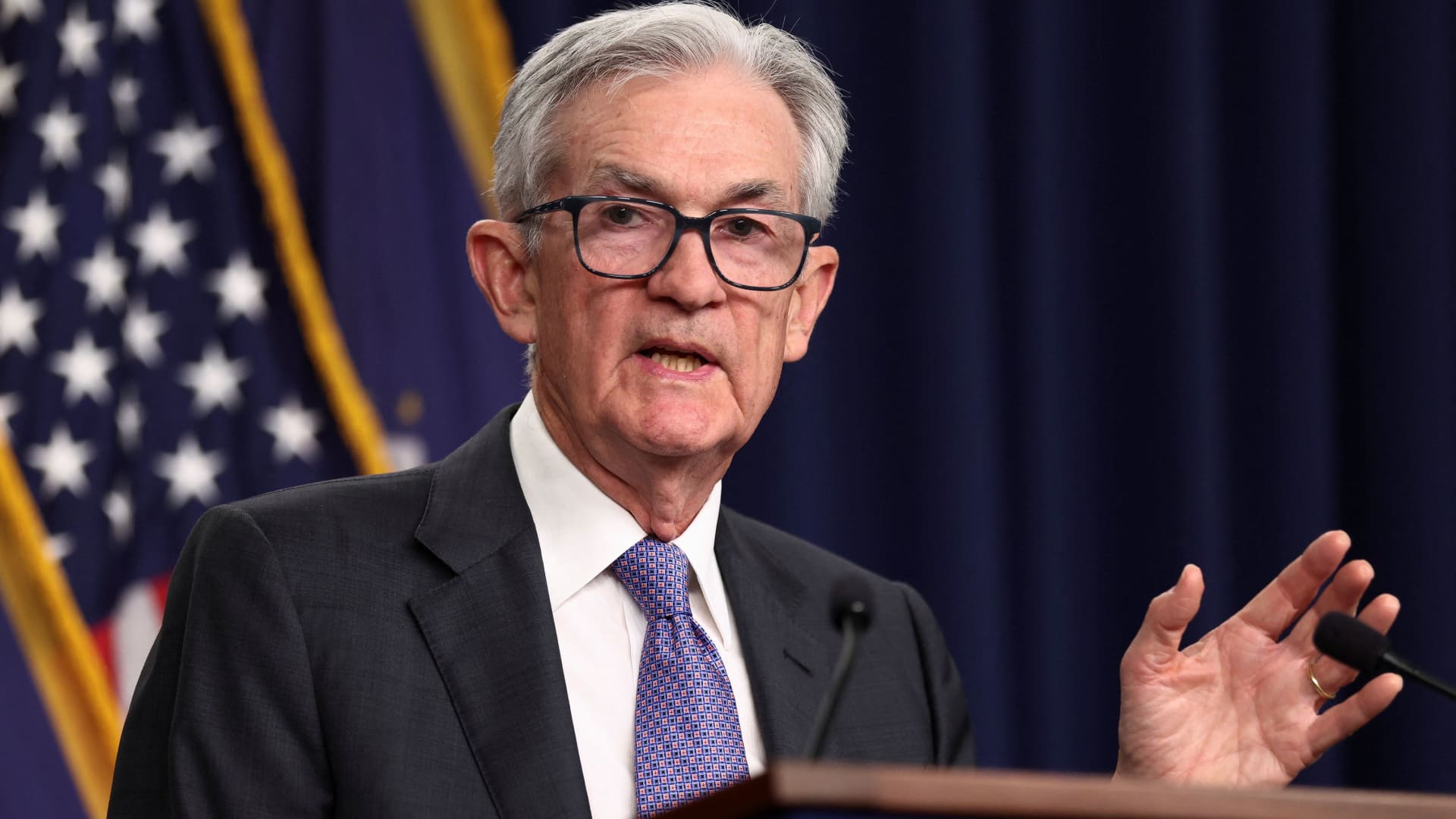
In a move that has captured the attention of the housing market, the Federal Reserve recently announced a significant interest rate cut by half a percentage point. This decision, as reported by Oregon Public Broadcasting (OPB), might not transform home affordability overnight, but it is poised to influence the housing landscape in several notable ways.
Mortgage Rates: A Mixed Bag
Mortgage rates have seen a rollercoaster ride over the past few years. During the pandemic, rates dipped below 3% for a 30-year fixed-rate mortgage, only to surge to nearly 8% amid economic recovery and inflation. Currently, rates have settled at around 6.2%, as noted by Freddie Mac. While the Federal Reserve’s rate cut has been partly anticipated, senior economist Charlie Dougherty from Wells Fargo predicts only a marginal drop in mortgage rates in the near term. The expectation is that rates might hover around 6.2% by year-end, with a potential decrease to 5.5% by the end of 2025.
The Paradox of Lower Rates and Higher Prices
Interestingly, lower mortgage rates could paradoxically lead to higher home prices. As more buyers enter the market, competition for a limited supply of homes could intensify. This scenario presents a particular challenge for first-time buyers, who have already faced hurdles due to past bidding wars and high mortgage rates. Real estate agents like Kim Kronenberger from Denver express concern for buyers who hoped for better affordability, only to find the market still challenging.
Building Up the Supply
One of the core issues driving high home prices is the lack of housing supply. The U.S. faces a significant shortfall in housing units, as highlighted by a Harvard study. High interest rates have previously hampered homebuilders, particularly smaller developers, from initiating new projects. However, the recent rate cut could ease borrowing conditions for these builders, encouraging new construction and potentially alleviating the housing shortage over time.
Affordability Remains Elusive
Despite the potential benefits of lower mortgage rates, affordability remains a significant hurdle for many. Home prices have surged by approximately 50% since early 2020, outpacing household income growth. This disparity, as Wells Fargo’s Dougherty points out, continues to make housing unattainable for many prospective buyers. Furthermore, the “lock-in effect” keeps existing homeowners reluctant to sell, given the higher rates they would face on new mortgages.
Greg McBride, chief financial analyst at Bankrate.com, underscores that while mortgage rates have dipped slightly, the housing market remains sluggish. High home prices and limited inventory continue to pose challenges that a rate cut alone cannot resolve.
Conclusion
The Federal Reserve’s recent interest rate cut offers a glimmer of hope for the housing market, but it is not a panacea. The interplay between mortgage rates, demand, supply, and affordability will continue to shape the market dynamics in the coming months. For more insights, refer to the full article on OPB’s website.
More Articles
Getting licensed or staying ahead in your career can be a journey—but it doesn’t have to be overwhelming. Grab your favorite coffee or tea, take a moment to relax, and browse through our articles. Whether you’re just starting out or renewing your expertise, we’ve got tips, insights, and advice to keep you moving forward. Here’s to your success—one sip and one step at a time!
A new CNBC Fed Survey reveals that economists expect just two additional interest rate cuts in 2026 and none in 2027, even if President Donald Trump appoints a more dovish Federal Reserve chair. Strong economic growth, stable inflation, and reduced recession fears are keeping rate‑cut expectations limited, signaling a more stable long‑term environment for real estate, mortgage, and financial professionals.
A nationwide insurance crisis is accelerating as climate‑driven disasters push premiums higher, force insurers out of multiple states, and reshape real estate and mortgage markets. Once limited to Florida and California, the instability now threatens 15 states where losses, extreme weather, and insurer withdrawals are creating mounting risks for homeowners and industry professionals alike.
Commercial real estate is entering 2026 with a cautious but strategic shift. Companies are ditching oversized offices in favor of smaller, higher‑quality spaces packed with amenities that attract today’s workforce. Downtown markets like Portland remain steady, while suburban vacancies rise and landlords get creative with incentives. Industrial real estate is cooling after years of explosive growth, and developers are hesitating—though multifamily and hotel projects continue to push forward. Overall, the theme of the year is patience, as businesses wait for clearer signals on interest rates, construction costs, and long‑term workplace trends.
A new study from leading urban scholars reveals that zoning laws and construction slowdowns aren’t the true cause of America’s housing crisis. Even with massive building booms, rents would barely drop for decades. The real culprit? Soaring economic inequality. Until the widening wealth gap is addressed, policies like upzoning and deregulation won’t make housing affordable for working Americans—and may even push prices higher.
Cambio, a fast‑growing AI proptech company, has secured an $18 million Series A at a $100 million valuation, aiming to overhaul how commercial real estate firms process documents and make investment decisions. By converting messy PDFs, spreadsheets, and audit files into investor‑ready insights in minutes, the platform is rapidly expanding—now active in 35 countries and managing data for over 2 billion square feet of assets.
Florida’s insurance market is finally showing signs of real recovery heading into 2026. Industry leaders say recent legal reforms have sharply reduced lawsuits, allowing insurers to stabilize rates — and even introduce reductions for the first time in years. With new companies entering the state and solvency at its strongest level in more than a decade, real estate and mortgage professionals may benefit from improved buyer confidence and smoother closings as insurance becomes more predictable again.