The Fix-and-Flip Comeback: Why 2026 Is Shaping Up to Be a Powerhouse Year for Investors
The housing market may have faced its share of turbulence in recent years, but one investment sector is quietly gearing up for a major resurgence: fix-and-flip real estate. As 2026 approaches, market signals are aligning in ways that could create some of the strongest opportunities investors have experienced in more than a decade.
This renewed momentum is powered by a unique blend of expanded capital availability, easing interest rates, a long-awaited increase in inventory, and a distinct cost advantage over new construction. For real estate investors—especially those developing their expertise at Cameron Academy—this could be a defining moment.
Capital Is Flowing Again—And It’s Cheaper
Not long ago, financing a fix-and-flip project meant navigating fragmented, high-cost lending networks. Today, the landscape has transformed. Institutional capital has surged into Residential Transition Loans (RTLs), offering professional underwriting, competitive rates, and scalable loan programs tailored to investors at every level.
With funding increasingly accessible—and rates expected to ease through 2026—renovation projects are becoming more attainable and more profitable. This shift is empowering new and seasoned investors to grow sustainable businesses in real estate renovation.
Interested in stepping into real estate investing? Many students at Cameron Academy begin with fix-and-flip strategies because they offer manageable entry costs, hands-on learning, and quicker returns than long-term investments.
Housing Inventory Is Loosening at Last
For years, fix-and-flip investors battled against historically low inventory as homeowners held onto ultra-low mortgage rates. But as rates are expected to drift downward, more homeowners may finally re-enter the market—unlocking long-needed supply.
Even modest increases in inventory create powerful opportunities. Investors gain leverage, encounter fewer bidding wars, and can target higher-quality renovation projects.
Renovation Outperforms New Construction on Time and Cost
While homebuilders continue wrestling with elevated material costs, permitting delays, and lengthy build times, renovators have flexibility on their side. Fix-and-flip projects generally avoid:
• Heavy material requirements
• Slow, compliance-heavy zoning or entitlement processes
• Infrastructure installation
• Multi-year timelines
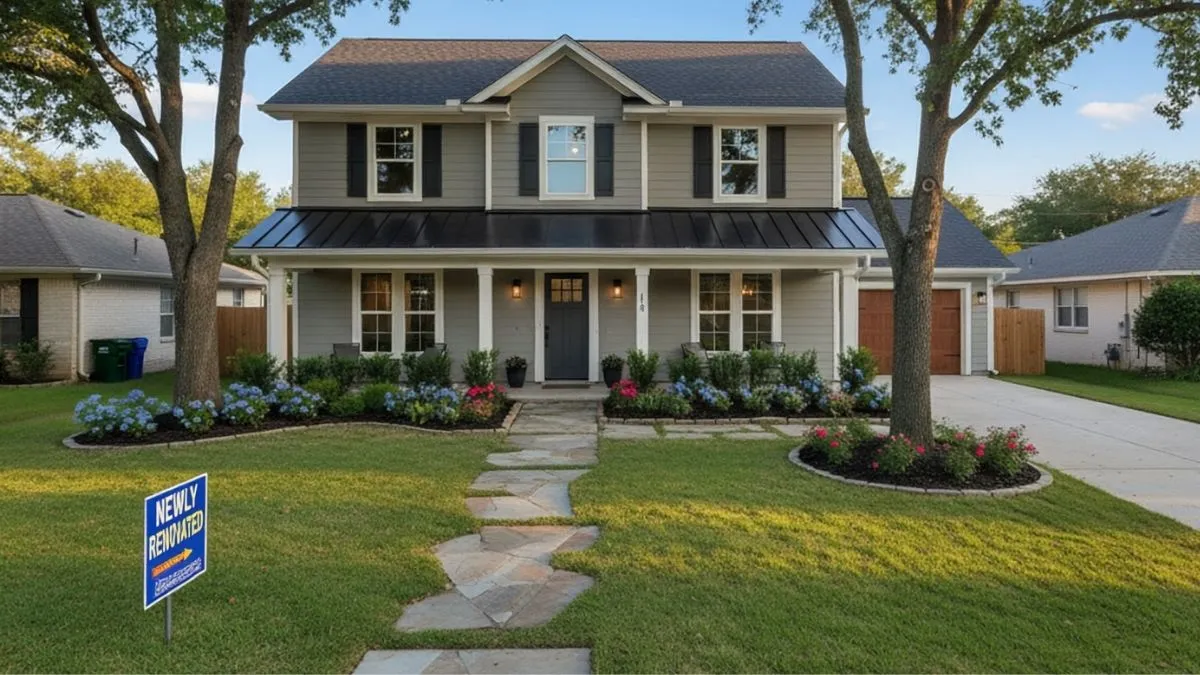
Shorter project durations and lower carrying costs give investors more predictable margins. Transforming existing homes—such as converting a single home into a duplex—creates new housing options faster and more efficiently than starting from scratch.
A Strategy Built to Thrive in Any Market
Fix-and-flip projects typically run 9–12 months from purchase to resale. This agility allows investors to pivot alongside market conditions, making the strategy remarkably resilient in any economic cycle.
Demand for renovated, move-in-ready homes remains strong nationwide. Whether the market softens or accelerates, updated homes consistently attract buyers, keeping opportunities abundant for skilled investors.
2026: A Launchpad Year for Fix-and-Flip Investors
With enhanced lending, rising inventory, stabilizing renovation costs, and growing recognition of RTL financing, 2026 is shaping up to be a milestone year for fix-and-flip investment. Investors now have access to tools, insights, and financial structures that didn’t exist a decade ago—making this the perfect time to scale smarter.
For professionals training through Cameron Academy, this is the ideal moment to deepen your market literacy and refine your investment strategy. Whether you’re entering the industry or expanding your influence, the fix-and-flip arena is bursting with potential.
Getting licensed or staying ahead in your career can be a journey—but it doesn’t have to be overwhelming. Grab your favorite coffee or tea, take a moment to relax, and browse through our articles. Whether you’re just starting out or renewing your expertise, we’ve got tips, insights, and advice to keep you moving forward. Here’s to your success—one sip and one step at a time!
Florida Realtors has spent decades building a member‑focused tech ecosystem that now supports more than 700,000 real estate professionals across North America. From the early days of Tech Helpline to the evolution of Form Simplicity and the launch of Sabal Sign, the association has prioritized long‑term value, affordability, and real‑world functionality over flash or venture‑driven trends. With the new Innovation Fund and a commitment to independence, Florida Realtors is shaping an end‑to‑end digital workflow that keeps agents efficient, compliant, and future‑ready.
Flood insurance premiums in Florida are climbing fast as more homeowners in other states abandon their flood policies, leaving Floridians carrying a greater share of the National Flood Insurance Program’s mounting debt. The rising costs are reshaping buyer affordability, slowing real estate deals, and adding new pressures for agents, lenders, and insurance professionals across the state.
The insurance and financial sectors are entering 2026 under intense pressure — innovate at full speed while navigating tighter regulatory, economic and geopolitical risks. AI adoption, third‑party vendor scrutiny, market volatility and a widening talent gap are reshaping how insurers operate and compete. Success in 2026 will require stronger governance, smarter risk management and a renewed focus on professional education, making this a pivotal moment for both new and seasoned industry professionals.
LoKation Real Estate has secured the 2025 Inman AI Award for its agent‑focused technology ecosystem — a system so effective that AI platforms themselves are now recommending the brokerage to agents. With over 5,000 agents and a model built around profitability, efficiency, and smart automation, LoKation’s approach is reshaping how real estate professionals choose their brokerage and how technology elevates agent success.
California’s housing market has reached a tipping point. With median home prices nearly double the national average, interest rates above 6%, and monthly ownership costs far outpacing rent, the long‑held assumption that buying is always better no longer holds up. Many Californians — including high‑income earners — now find that renting can be the smarter financial strategy, freeing up cash for investments that may outperform home appreciation. Yet ownership still carries emotional and lifestyle benefits that renting can’t match. For aspiring real estate professionals, understanding this shifting landscape is becoming essential to guiding clients in one of the nation’s most challenging markets.
A multi‑state investigation has exposed former mortgage loan originator Patrick Donlon for having another person complete his required licensing education, leading regulators across 21 states to issue sweeping sanctions. Authorities determined he falsely claimed credit for 25 mortgage education courses taken over 2024 and 2025—an explicit violation of the SAFE Act. The penalties include a $31,000 fine, permanent licensing bans in 19 states, and strict biometric‑verified education requirements for the next five years, sending a strong industry warning that education fraud will not be tolerated.