The Fix-and-Flip Comeback: Why 2026 Is Shaping Up to Be a Powerhouse Year for Investors
The housing market may have faced its share of turbulence in recent years, but one investment sector is quietly gearing up for a major resurgence: fix-and-flip real estate. As 2026 approaches, market signals are aligning in ways that could create some of the strongest opportunities investors have experienced in more than a decade.
This renewed momentum is powered by a unique blend of expanded capital availability, easing interest rates, a long-awaited increase in inventory, and a distinct cost advantage over new construction. For real estate investors—especially those developing their expertise at Cameron Academy—this could be a defining moment.
Capital Is Flowing Again—And It’s Cheaper
Not long ago, financing a fix-and-flip project meant navigating fragmented, high-cost lending networks. Today, the landscape has transformed. Institutional capital has surged into Residential Transition Loans (RTLs), offering professional underwriting, competitive rates, and scalable loan programs tailored to investors at every level.
With funding increasingly accessible—and rates expected to ease through 2026—renovation projects are becoming more attainable and more profitable. This shift is empowering new and seasoned investors to grow sustainable businesses in real estate renovation.
Interested in stepping into real estate investing? Many students at Cameron Academy begin with fix-and-flip strategies because they offer manageable entry costs, hands-on learning, and quicker returns than long-term investments.
Housing Inventory Is Loosening at Last
For years, fix-and-flip investors battled against historically low inventory as homeowners held onto ultra-low mortgage rates. But as rates are expected to drift downward, more homeowners may finally re-enter the market—unlocking long-needed supply.
Even modest increases in inventory create powerful opportunities. Investors gain leverage, encounter fewer bidding wars, and can target higher-quality renovation projects.
Renovation Outperforms New Construction on Time and Cost
While homebuilders continue wrestling with elevated material costs, permitting delays, and lengthy build times, renovators have flexibility on their side. Fix-and-flip projects generally avoid:
• Heavy material requirements
• Slow, compliance-heavy zoning or entitlement processes
• Infrastructure installation
• Multi-year timelines
Shorter project durations and lower carrying costs give investors more predictable margins. Transforming existing homes—such as converting a single home into a duplex—creates new housing options faster and more efficiently than starting from scratch.
A Strategy Built to Thrive in Any Market
Fix-and-flip projects typically run 9–12 months from purchase to resale. This agility allows investors to pivot alongside market conditions, making the strategy remarkably resilient in any economic cycle.
Demand for renovated, move-in-ready homes remains strong nationwide. Whether the market softens or accelerates, updated homes consistently attract buyers, keeping opportunities abundant for skilled investors.
2026: A Launchpad Year for Fix-and-Flip Investors
With enhanced lending, rising inventory, stabilizing renovation costs, and growing recognition of RTL financing, 2026 is shaping up to be a milestone year for fix-and-flip investment. Investors now have access to tools, insights, and financial structures that didn’t exist a decade ago—making this the perfect time to scale smarter.
For professionals training through Cameron Academy, this is the ideal moment to deepen your market literacy and refine your investment strategy. Whether you’re entering the industry or expanding your influence, the fix-and-flip arena is bursting with potential.
Getting licensed or staying ahead in your career can be a journey—but it doesn’t have to be overwhelming. Grab your favorite coffee or tea, take a moment to relax, and browse through our articles. Whether you’re just starting out or renewing your expertise, we’ve got tips, insights, and advice to keep you moving forward. Here’s to your success—one sip and one step at a time!
Palm Beach protests erupted as intensified immigration enforcement reached the heart of Trump’s hometown, while millions in Florida brace for rising health care costs as key subsidies near expiration. At the same time, state regulators boldly declare the long‑running property insurance crisis “over,” leaving homeowners and industry professionals questioning whether true stability has finally returned.
As 2025 comes to a close, the real estate industry is shifting from uncertainty to strategic expansion. According to DWS’s Year-End 2025 Outlook, property values are stabilizing after years of repricing, capital is concentrating on high-quality assets, and Sunbelt markets—especially Florida—continue to outperform. With technology enhancing rather than replacing professional expertise, 2026 is shaping up to reward professionals who stay informed, skilled, and strategically positioned for the next cycle.
Texas capital is pouring into San Francisco’s long‑struggling commercial real estate market, with Lone Star investors buying up discounted Union Square buildings and signaling what many experts believe is the city’s market bottom. As office activity and confidence begin to return, buyers from across the country are joining the rush, turning SF’s post‑pandemic slump into one of the nation’s hottest bargain opportunities.
With 2026 HousingWire Tech100 nominations closing on December 19, the housing tech sector is accelerating at full speed. AI‑powered data platforms, digital closing breakthroughs, embedded insurance growth, and next‑generation servicing automation are reshaping real estate, mortgage, insurance, and finance. From ATTOM’s AI‑ready property intelligence to Hapi Homes’ Martha Stewart design revival, Obie’s nationwide expansion, Outamation’s servicing automation, and ServiceLink’s next‑level borrower scheduling, this year’s standout innovators are defining the future of the housing economy.
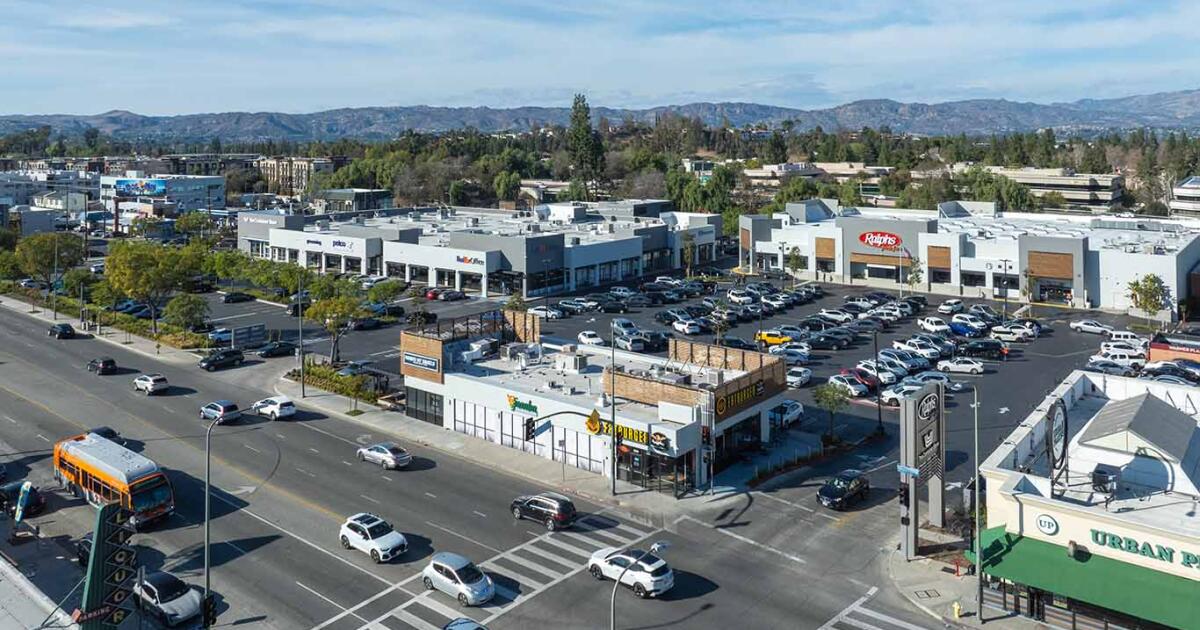
Space Investment Partners has acquired the 123,402‑square‑foot Topanga Gateway retail center in Woodland Hills for $64 million, marking another significant move in the firm’s expanding grocery‑anchored investment strategy. Located at a high‑visibility intersection and 97% occupied at the time of sale, the property strengthens the company’s push toward $500 million to $1 billion in retail acquisitions for 2026, underscoring continued investor confidence in necessity‑based retail assets.
After the Federal Reserve’s final 2025 rate cut on December 10, mortgage markets are recalibrating, giving buyers and homeowners a glimmer of relief. Rates remain lower than earlier in the year, with 30-year fixed loans at 6.12% and refinances dipping as well. This shift may spark renewed activity for buyers, refinancers, and real estate professionals heading into 2026.