The Four Hidden Ways Financial Advice Creates Real Value

Most people think financial advice is all about beating the market. But according to new findings from Vanguard, the real value runs much deeper—touching peace of mind, personalized planning, and the freedom to spend time on what truly matters. It’s a bold reminder that great advisors do far more than adjust portfolios: they help people feel grounded, confident, and emotionally secure in their financial lives.

Financial wellness and planning illustration

This research—published December 11, 2025—highlights the gap between what investors expect and what advisors think they’re delivering. As Vanguard strategist Stephen M. Weber explains, investors use a variety of personal metrics to judge financial success. Advisors who speak with clarity, simplicity, and personalization build far higher trust, satisfaction, and long-term loyalty.

The Four Pillars of Advice Value

Vanguard’s study identifies four major ways advisors deliver meaningful value:

  • Financial planning value: Helping clients map out goals like retirement, debt reduction, and family priorities.
  • Portfolio value: Constructing tax‑aware, diversified, risk‑appropriate portfolios tailored to each individual.
  • Emotional value: Providing reassurance, confidence, and stability—especially when markets feel chaotic.
  • Time value: Saving clients hours upon hours by handling complex tasks and research.

What Investors Really Want

From a July 2025 survey of more than 13,000 Vanguard investors, the top reason people seek financial advice is simple yet powerful: peace of mind.

This shows a major shift. Today’s investors want a trusted expert who can anticipate changes, watch over their financial life, and offer stability when unexpected challenges arise. As behavioral economist Paulo Costa notes, true value often lives in the process—not just the performance.

Key Lessons for Both Advisors and Investors

1. Every interaction builds peace of mind

Clients don’t just want numbers—they want reassurance. Even behind‑the‑scenes tasks like tax optimization or portfolio reviews create immense value when advisors communicate those efforts clearly and consistently.

2. Personalization is everything

Every client defines success differently. Some aim for a precise retirement age; others crave lifestyle flexibility, predictable income, or a strong legacy. The strongest advisory relationships start with understanding what their version of success truly means.

As Vanguard’s Min Kim explains, personalization isn’t just planning—it’s communication.

3. Use clear, relevant metrics

Clients appreciate intuitive measurements—like income projections, tax savings, or long‑term risk analysis. Investors prefer progress to be shown from several angles, not a single rigid metric.

Emotional and Time Value: The Overlooked Advantages

According to the research, 86% of advised clients feel more at ease, and 76% stress less about their finances. That’s more than 100 hours a year reclaimed from worry—time better spent on family, hobbies, business, or personal growth.

The True Value of Financial Advice

Financial advice goes far beyond market performance—it’s about emotional security, a sense of control, and a professional partnership that helps people live intentionally. Investors gain clarity. Advisors build trust. And together, they create long‑lasting financial confidence rooted in communication that is simple, personal, and meaningful.

To explore the full Vanguard research behind this story, visit the original article at:
Vanguard Corporate – Four Ways Financial Advice Delivers True Value

At Cameron Academy, we train thousands of real estate, insurance, and financial professionals every year—many of whom use these very principles to build trust with their clients. If you’re expanding your license, sharpening your financial literacy, or leveling up your advisory skillset, understanding the psychology behind financial decision‑making can transform the way you serve your clients.


More Articles

Getting licensed or staying ahead in your career can be a journey—but it doesn’t have to be overwhelming. Grab your favorite coffee or tea, take a moment to relax, and browse through our articles. Whether you’re just starting out or renewing your expertise, we’ve got tips, insights, and advice to keep you moving forward. Here’s to your success—one sip and one step at a time!

Massachusetts Investment Firm Makes Strategic Move Into Connecticut With $3.65M Red Robin-Anchored Purchase

Newman Properties, a Massachusetts-based investment firm, has expanded its footprint into Connecticut with the $3.65 million acquisition of a 6,350‑square‑foot retail building in Enfield. Anchored by national restaurant chain Red Robin, the property offers the type of stable tenancy investors seek when entering new markets. The deal underscores growing confidence in anchored retail assets and provides a valuable real-world example for real estate professionals studying market analysis, investment strategy, and portfolio expansion.

JPMorgan Flags a Sunbelt Slowdown as Florida and Texas See Sharp Home Price Drops

JPMorgan now expects national home prices to flatten in 2026, but the Sunbelt is telling a very different story. Florida home values are down 5.1%, Texas is down 2.4%, and analysts warn that years of rapid building are finally catching up to the region. As demand stabilizes and inventory swells, real estate professionals — especially in Florida — face a market full of challenges, opportunities, and critical timing decisions.

AI Is Reshaping Mortgage Underwriting in 2026 as Industry Pros Brace for Major Change

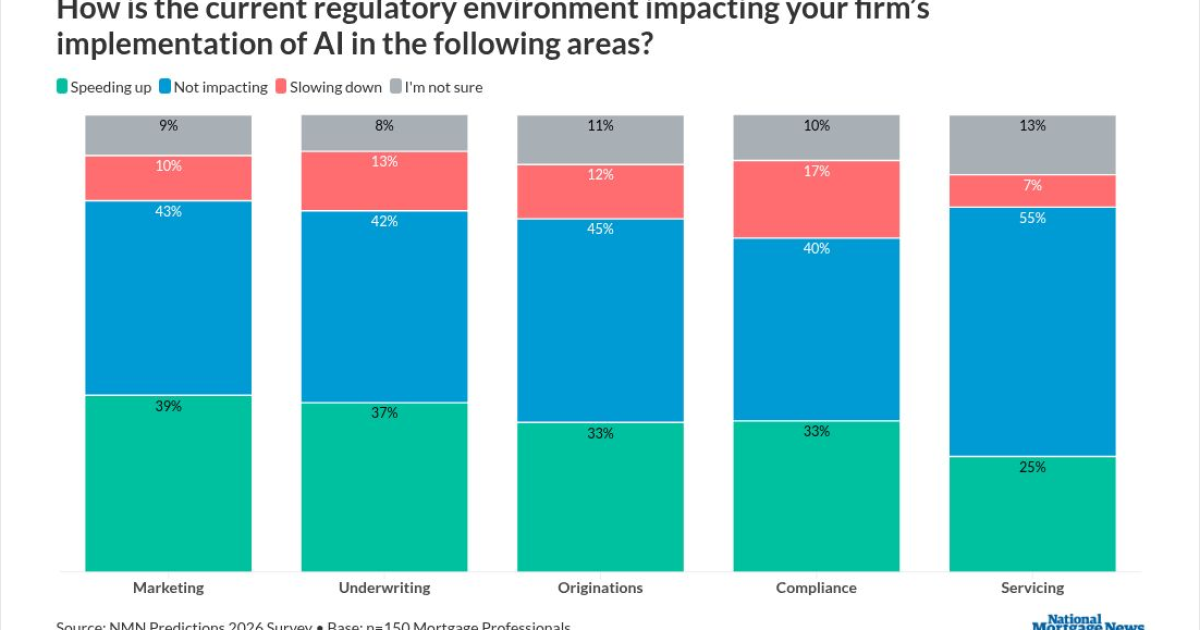
Artificial intelligence is finally stepping into the mortgage underwriting spotlight, with 57% of mortgage professionals predicting it will drive the most transformative industry shift in 2026. Thanks to major advancements in language models and workflow automation, AI is now capable of navigating the messy, document-heavy realities that have long slowed underwriting. From faster preapprovals to improved credit analysis and real‑time income verification, AI is streamlining processes while allowing underwriters to focus on true risk management. As regulatory winds shift and grassroots pressure builds within lending teams, the industry is entering a pivotal era where AI‑powered underwriting becomes not just an advantage — but an expectation.

Portland’s Commercial Market Suffers a Historic $2 Billion Collapse

Portland’s top 20 office towers have lost an unprecedented 70% of their value since 2019—plunging from $3 billion to under $1 billion—triggering tax revenue shortfalls, budget crises, and a surge in appeals as the city grapples with its biggest commercial real estate reset in modern history.

When Virtual Reality Becomes the New Penthouse Tour: Miami Students Step Inside a $1M Tech-Driven Luxury Tower Experience

South Florida’s luxury real estate market just raised the bar again — this time with a $1 million virtual reality system that lets buyers walk through Dolce & Gabbana’s upcoming Miami tower long before construction wraps. Real estate master’s students were given an immersive look inside the project, discovering how VR is transforming high‑end development, influencing buyer psychology, and shaping the future skills today’s professionals need.

Long Island’s Latest Commercial Moves: From Pizza Huts to Auto Parts Warehouses

Long Island’s commercial real estate scene is kicking off 2026 with a surge of activity—industrial leases in Medford, neighborhood retail trades in Bohemia, Pizza Hut’s new DELCO expansion in Centereach, mixed‑use acquisitions in Melville, and major investor interest in bank‑leased and franchise-backed properties. From warehouses to restaurant rebrands, these deals highlight a region evolving fast and offering fresh opportunities for agents, investors, and professionals looking to stay ahead in the market.