The Four Hidden Ways Financial Advice Creates Real Value

Most people think financial advice is all about beating the market. But according to new findings from Vanguard, the real value runs much deeper—touching peace of mind, personalized planning, and the freedom to spend time on what truly matters. It’s a bold reminder that great advisors do far more than adjust portfolios: they help people feel grounded, confident, and emotionally secure in their financial lives.

Financial wellness and planning illustration

This research—published December 11, 2025—highlights the gap between what investors expect and what advisors think they’re delivering. As Vanguard strategist Stephen M. Weber explains, investors use a variety of personal metrics to judge financial success. Advisors who speak with clarity, simplicity, and personalization build far higher trust, satisfaction, and long-term loyalty.

The Four Pillars of Advice Value

Vanguard’s study identifies four major ways advisors deliver meaningful value:

  • Financial planning value: Helping clients map out goals like retirement, debt reduction, and family priorities.
  • Portfolio value: Constructing tax‑aware, diversified, risk‑appropriate portfolios tailored to each individual.
  • Emotional value: Providing reassurance, confidence, and stability—especially when markets feel chaotic.
  • Time value: Saving clients hours upon hours by handling complex tasks and research.

What Investors Really Want

From a July 2025 survey of more than 13,000 Vanguard investors, the top reason people seek financial advice is simple yet powerful: peace of mind.

This shows a major shift. Today’s investors want a trusted expert who can anticipate changes, watch over their financial life, and offer stability when unexpected challenges arise. As behavioral economist Paulo Costa notes, true value often lives in the process—not just the performance.

Key Lessons for Both Advisors and Investors

1. Every interaction builds peace of mind

Clients don’t just want numbers—they want reassurance. Even behind‑the‑scenes tasks like tax optimization or portfolio reviews create immense value when advisors communicate those efforts clearly and consistently.

2. Personalization is everything

Every client defines success differently. Some aim for a precise retirement age; others crave lifestyle flexibility, predictable income, or a strong legacy. The strongest advisory relationships start with understanding what their version of success truly means.

As Vanguard’s Min Kim explains, personalization isn’t just planning—it’s communication.

3. Use clear, relevant metrics

Clients appreciate intuitive measurements—like income projections, tax savings, or long‑term risk analysis. Investors prefer progress to be shown from several angles, not a single rigid metric.

Emotional and Time Value: The Overlooked Advantages

According to the research, 86% of advised clients feel more at ease, and 76% stress less about their finances. That’s more than 100 hours a year reclaimed from worry—time better spent on family, hobbies, business, or personal growth.

The True Value of Financial Advice

Financial advice goes far beyond market performance—it’s about emotional security, a sense of control, and a professional partnership that helps people live intentionally. Investors gain clarity. Advisors build trust. And together, they create long‑lasting financial confidence rooted in communication that is simple, personal, and meaningful.

To explore the full Vanguard research behind this story, visit the original article at:
Vanguard Corporate – Four Ways Financial Advice Delivers True Value

At Cameron Academy, we train thousands of real estate, insurance, and financial professionals every year—many of whom use these very principles to build trust with their clients. If you’re expanding your license, sharpening your financial literacy, or leveling up your advisory skillset, understanding the psychology behind financial decision‑making can transform the way you serve your clients.


More Articles

Getting licensed or staying ahead in your career can be a journey—but it doesn’t have to be overwhelming. Grab your favorite coffee or tea, take a moment to relax, and browse through our articles. Whether you’re just starting out or renewing your expertise, we’ve got tips, insights, and advice to keep you moving forward. Here’s to your success—one sip and one step at a time!

Why Today’s High Mortgage Rates Matter More Than Ever for the Housing Market

A growing share of American homeowners now carry mortgage rates above 5%—a dramatic shift that’s reshaping refinancing, inventory, and buyer behavior nationwide. With more than 30% of borrowers locked into rates over 5% and 20% above 6%, the market is split between owners holding on to low pandemic‑era loans and new buyers taking on higher‑rate mortgages. Federal efforts to push rates down could unlock millions of refinancing opportunities, while buyers see only modest monthly savings. For real estate professionals, understanding these rate dynamics is crucial as they increasingly drive inventory levels, affordability, and market activity.

CRE Deal Volume Dips in December, but Office Sector Stages an Unexpected Comeback

New Moody’s data shows commercial real estate deal volume slipped 20% in December, marking a second monthly decline. Yet the full year tells a different story: 2025 ended with a 17% gain, signaling a quiet but resilient recovery. The biggest surprise came from the office sector, which posted a 21% jump in activity as return‑to‑office trends and AI‑driven job growth boosted demand. Multifamily, retail, and alternative assets like data centers also saw strong momentum, giving real estate professionals a market full of fresh opportunities heading into 2026.

Florida Kicks Off 2026 With Major Auto Insurance Rate Cuts and Market Stability

Florida drivers and industry professionals are heading into 2026 with good news: auto insurance rates are dropping across the state as the market shows strong signs of stabilization. USAA leads the latest wave with a 7% average rate decrease expected in May 2026, saving members more than $125 million annually. They join several major insurers — including State Farm, Progressive, AAA, Allstate, and Florida Farm Bureau — all approving significant reductions. Officials credit recent legislative reforms, especially tort reform, for the improved loss ratios and renewed insurer confidence. With both auto and home insurance markets strengthening, Florida’s real estate, mortgage, and insurance professionals can expect more consumer confidence, smoother transactions, and expanding career opportunities.

The 2024 Housing Shortage: Why America Is Still 1.2 Million Homes Behind

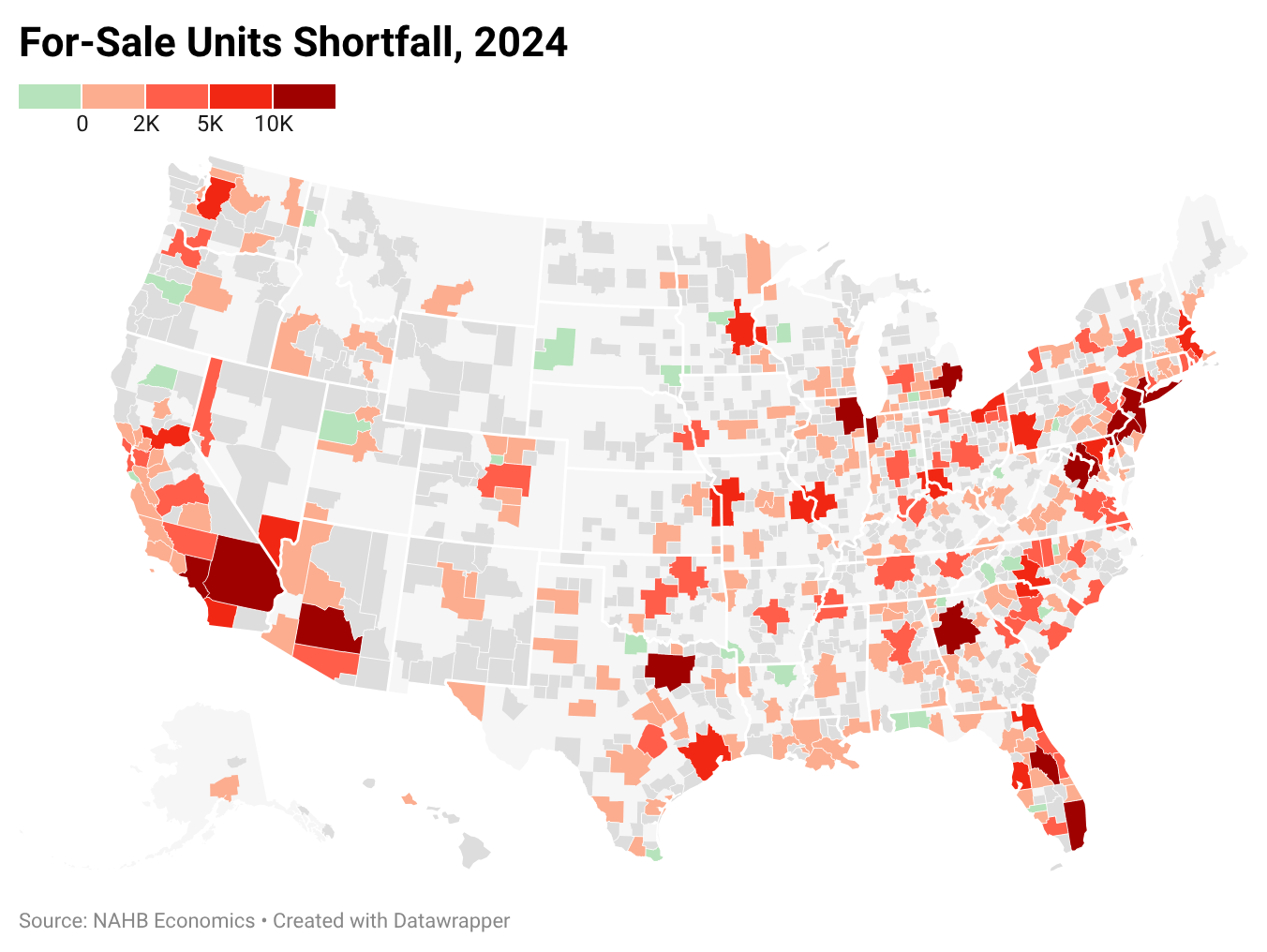
New data from Eye On Housing and the NAHB shows the U.S. remains short more than 1.2 million housing units, keeping pressure on both rents and home prices. Record‑low vacancy rates, slow single‑family construction, and restrictive zoning continue to fuel intense competition in 2024. Major metros like Chicago, New York, and Atlanta face some of the deepest deficits, and the true nationwide shortfall may be even higher when accounting for overcrowding and aging homes. For real estate professionals, the ongoing shortage means sustained demand, tighter inventory, and major opportunities for those who understand the evolving market.

AI Isn’t the Shiny Object Anymore — It’s the New System Driving Real Estate Success

Top real estate coach Jason Pantana says the divide between agents today isn’t about who has “tried” AI — it’s about who is immersed in it. In a new HousingWire interview, he explains why AI isn’t a gimmick but a full business system that amplifies output, improves authenticity, and reshapes how clients search for agents. From prompt mastery to AI‑driven visibility on Google, Pantana reveals how agents who commit even 15 minutes a day to learning AI are already outperforming those who hesitate.

DFW Commercial Real Estate 2025: Industrial Surges, Retail Shines, Office Struggles

Dallas–Fort Worth’s commercial real estate market closed 2025 with a split personality. Industrial dominated with massive new deliveries and soaring leasing demand, retail held steady with some of the market’s strongest fundamentals in years, and office continued to falter under remote‑work pressures. High vacancies, weak absorption, and rising demand for top‑tier space show the sector’s ongoing reset. Meanwhile, industrial and retail strength position the Metroplex for another powerhouse year heading into 2026.