As the digital age continues to reshape the landscape of healthcare, telemedicine stands out as a transformative force. During the COVID-19 pandemic, its use surged, offering a lifeline to patients and providers alike. But as we step beyond the pandemic’s shadow, the future of telemedicine hangs in the balance.
Dr. Mehrotra, a key figure among policymakers and researchers, is at the forefront of ensuring that telemedicine remains a viable option in the healthcare arsenal. The challenge is to integrate this technology without escalating costs, diminishing the quality of care, or overshadowing the indispensable role of in-person consultations.
Adapting to Change
Telemedicine’s meteoric rise during the pandemic was facilitated by flexible rules from both government and private insurers. Although the urgency of the pandemic has waned, the demand for telemedicine persists. Advances in technology, shifting preferences among patients and doctors, and new legislative frameworks have all contributed to this ongoing demand.
However, the path forward is fraught with questions. What are the best practices for telemedicine? How should it be integrated into the broader U.S. healthcare system? These questions are critical as we consider the impending expiration of certain Medicare and Medicaid policies in December 2024.
Medicare Telehealth Services
For Medicare, the decision to extend, amend, or extinguish telemedicine access is a delicate balancing act between costs and benefits. Dr. Mehrotra’s research, published in Health Affairs, offers a comprehensive analysis of telemedicine’s impact on a national scale. His findings suggest that the temporary rules facilitating remote healthcare should become permanent, given the modest increase in spending and improved access to care.
Cost-Benefit Analysis for U.S. Health Systems
In 2021 and 2022, health systems with high telemedicine use saw a 2.2% increase in visits but a 2.7% decrease in non-COVID-19 emergency visits. While spending increased slightly, patients were more compliant with medication regimens for chronic conditions. These insights reinforce the value of telemedicine, a sentiment echoed in studies on mental health and pediatrics.
Protecting In-Person Practices, Preserving Access to Care
In his testimony before Congress, Dr. Mehrotra recommended lower payment rates for telehealth visits compared to in-person visits, to ensure the competitiveness of traditional practices. He also advocated for the removal of in-person visit requirements for mental health telemedicine appointments, recognizing the shift to virtual-only practices among many clinicians.
Telemedicine Care Across State Lines
One of the thorniest issues is the restriction on telemedicine across state lines. Current regulations often prevent patients from accessing care from their regular doctors when out of state. Dr. Mehrotra’s work highlights the need for federal laws to allow telemedicine across state borders, safeguarding the continuity of care.
New Ways of Practicing Medicine
The evolution of telemedicine is not just about video calls. It’s about reimagining how care is delivered, whether through secure messaging or remote monitoring technologies. As Dr. Mehrotra points out, the challenge lies in navigating these advances to enhance patient care while ensuring fair compensation for providers.
As we stand on the cusp of a new era in healthcare, the potential of telemedicine is immense. But to realize this potential, we must establish the right rules and frameworks. The stakes are high, but the promise of a more accessible, efficient healthcare system is within reach.
More Articles
Getting licensed or staying ahead in your career can be a journey—but it doesn’t have to be overwhelming. Grab your favorite coffee or tea, take a moment to relax, and browse through our articles. Whether you’re just starting out or renewing your expertise, we’ve got tips, insights, and advice to keep you moving forward. Here’s to your success—one sip and one step at a time!
Newman Properties, a Massachusetts-based investment firm, has expanded its footprint into Connecticut with the $3.65 million acquisition of a 6,350‑square‑foot retail building in Enfield. Anchored by national restaurant chain Red Robin, the property offers the type of stable tenancy investors seek when entering new markets. The deal underscores growing confidence in anchored retail assets and provides a valuable real-world example for real estate professionals studying market analysis, investment strategy, and portfolio expansion.
JPMorgan now expects national home prices to flatten in 2026, but the Sunbelt is telling a very different story. Florida home values are down 5.1%, Texas is down 2.4%, and analysts warn that years of rapid building are finally catching up to the region. As demand stabilizes and inventory swells, real estate professionals — especially in Florida — face a market full of challenges, opportunities, and critical timing decisions.
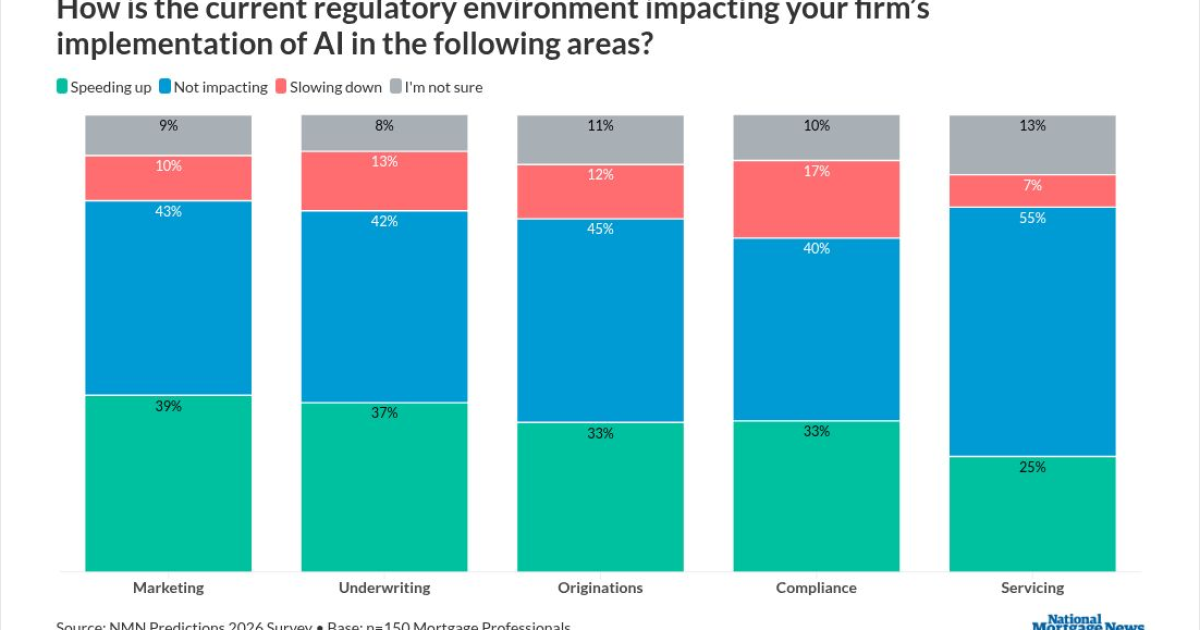
Artificial intelligence is finally stepping into the mortgage underwriting spotlight, with 57% of mortgage professionals predicting it will drive the most transformative industry shift in 2026. Thanks to major advancements in language models and workflow automation, AI is now capable of navigating the messy, document-heavy realities that have long slowed underwriting. From faster preapprovals to improved credit analysis and real‑time income verification, AI is streamlining processes while allowing underwriters to focus on true risk management. As regulatory winds shift and grassroots pressure builds within lending teams, the industry is entering a pivotal era where AI‑powered underwriting becomes not just an advantage — but an expectation.
Portland’s top 20 office towers have lost an unprecedented 70% of their value since 2019—plunging from $3 billion to under $1 billion—triggering tax revenue shortfalls, budget crises, and a surge in appeals as the city grapples with its biggest commercial real estate reset in modern history.
South Florida’s luxury real estate market just raised the bar again — this time with a $1 million virtual reality system that lets buyers walk through Dolce & Gabbana’s upcoming Miami tower long before construction wraps. Real estate master’s students were given an immersive look inside the project, discovering how VR is transforming high‑end development, influencing buyer psychology, and shaping the future skills today’s professionals need.
Long Island’s commercial real estate scene is kicking off 2026 with a surge of activity—industrial leases in Medford, neighborhood retail trades in Bohemia, Pizza Hut’s new DELCO expansion in Centereach, mixed‑use acquisitions in Melville, and major investor interest in bank‑leased and franchise-backed properties. From warehouses to restaurant rebrands, these deals highlight a region evolving fast and offering fresh opportunities for agents, investors, and professionals looking to stay ahead in the market.

 As we stand on the cusp of a new era in healthcare, the potential of telemedicine is immense. But to realize this potential, we must establish the right rules and frameworks. The stakes are high, but the promise of a more accessible, efficient healthcare system is within reach.