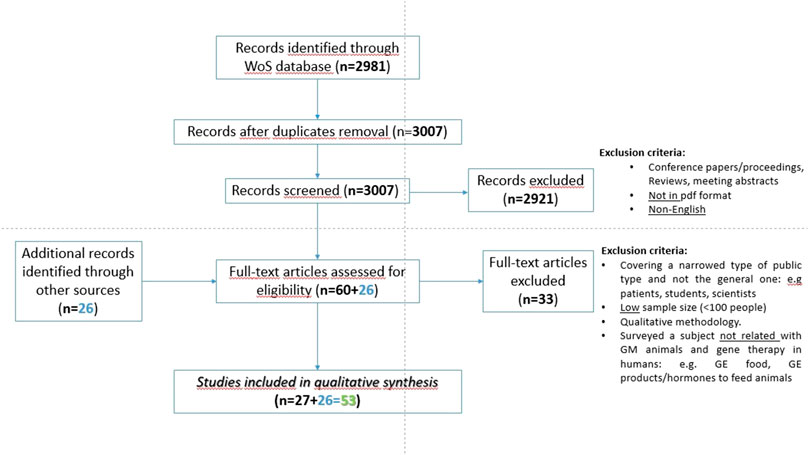
It was a monumental shift in the world of genetics when CRISPR-Cas9 burst onto the scene in 2012, democratizing the ability to edit genomes with unprecedented precision and ease. This revolutionary technology, as detailed in a systematic review published by Frontiers, has not only transformed scientific research but has also sparked a profound societal and ethical debate.
The CRISPR Effect
CRISPR’s impact is far-reaching, influencing fields from biomedical research and clinical practice to food production. The ability to edit genes with such precision has opened doors to potential cures for genetic diseases, enhancements in agricultural yields, and even the controversial editing of human embryos.
However, this power comes with significant ethical concerns. As the review notes, the application of CRISPR to human embryos has reignited debates over genetic manipulation, reminiscent of past controversies surrounding genetic engineering.
Public Sentiment: A Mixed Bag
Over the past 35 years, surveys have painted a complex picture of public attitudes towards genetic modification. Generally, there is strong support for therapeutic gene editing in humans, particularly when it comes to treating or preventing diseases. Yet, opinions diverge sharply when it comes to germline modifications and genetic enhancements, often viewed with skepticism or outright opposition.
The review highlights that while many embrace the potential health benefits, the notion of “designer babies” raises red flags for both ethical and safety reasons. This echoes the sentiments expressed by scholars like Camporesi and Cavaliere, who have explored the ethical dimensions of CRISPR in their work (Camporesi and Cavaliere, 2016).
Responsible Innovation
The key takeaway from the review is the critical need for responsible research and innovation (RRI). Aligning technological advancements with societal values is paramount. As CRISPR technology continues to evolve, ensuring that it is used ethically and responsibly will require ongoing dialogue between scientists, policymakers, and the public.
Looking Ahead
The path forward for CRISPR and genetic engineering is one of both promise and caution. As noted by Nordberg et al., the regulatory landscape will need to adapt to keep pace with these rapid advancements (Nordberg et al., 2018).
In conclusion, while CRISPR offers a glimpse into a future where genetic diseases could be eradicated, it also challenges us to consider the ethical implications of such power. The conversation is far from over, and as society grapples with these issues, the voices of both advocates and critics will be crucial in shaping the future of genetic engineering.
More Articles
Getting licensed or staying ahead in your career can be a journey—but it doesn’t have to be overwhelming. Grab your favorite coffee or tea, take a moment to relax, and browse through our articles. Whether you’re just starting out or renewing your expertise, we’ve got tips, insights, and advice to keep you moving forward. Here’s to your success—one sip and one step at a time!
Seattle now holds the second‑highest office vacancy rate in the nation at 26.6%, with some downtown areas soaring past 35% and Pioneer Square reaching 50%. Mayor‑elect Katie Wilson steps into office with bold proposals—including a vacancy tax and office‑to‑housing conversions—amid tech pullbacks, shifting work habits, and investor uncertainty. Despite alarming numbers, signs of resilience remain, offering opportunities for savvy real estate professionals watching this market transform in real time.
Florida lawmakers are once again targeting the fast‑growing litigation‑financing industry with House Bill 1157, a proposal that would restrict how outside investors participate in lawsuits. The bill would limit funder influence, cap their share of settlements, and require new disclosures—especially for foreign‑backed financing. As similar measures emerge nationwide, the outcome could significantly impact professionals across law, insurance, finance, and real estate who depend on predictable risk and regulatory environments.
Starting April 1, Philadelphia homeowners and renters with federal flood insurance will see a 15% reduction in their premiums thanks to the city joining FEMA’s Community Rating System. The discount reflects Philadelphia’s growing investment in flood‑risk mitigation and is expected to save residents and businesses more than $424,000 annually. Beyond easing household expenses, the change also reshapes how real estate and insurance professionals evaluate flood‑zone properties, opening the door to improved affordability and stronger buyer confidence.
Newrez is doubling down on artificial intelligence with a strategic investment in Homevision, an advanced AI underwriting platform designed to automate collateral, income, assets, credit, and full loan decisioning. After seeing Homevision’s MIRA system boost collateral underwriting efficiency, Newrez plans to expand the technology in 2026—signaling a breakthrough year for real-time automated underwriting across the mortgage industry.
A new United Van Lines migration report reveals that Americans are trading big-city ambition for affordability, shorter commutes, and better quality of life—reshaping where and how commercial real estate will grow. Southern and smaller markets continue to attract new residents, but pandemic‑era assumptions of endless demand are fading as rent growth cools and new inventory floods the market. For investors and real estate professionals, the opportunity now lies in affordable housing, modest office parks, value‑focused retail, and support‑industrial spaces like self‑storage.
The 2026 housing market is finally shifting into balance, with economists forecasting rising home sales, improved affordability, and a more diverse buyer pool. Inventory is up, mortgage rates are easing, and demographic changes—from returning first-time buyers to dominant baby boomers—are reshaping demand. New construction is stabilizing, price growth is moderating, and millions of buyers could re-enter the market as rates fall toward 6 percent. For real estate professionals, this rebalanced environment offers fresh opportunities for growth, strategy, and education.