The Hidden Mold Crisis: How Extreme Weather Is Creating a Silent Health Emergency
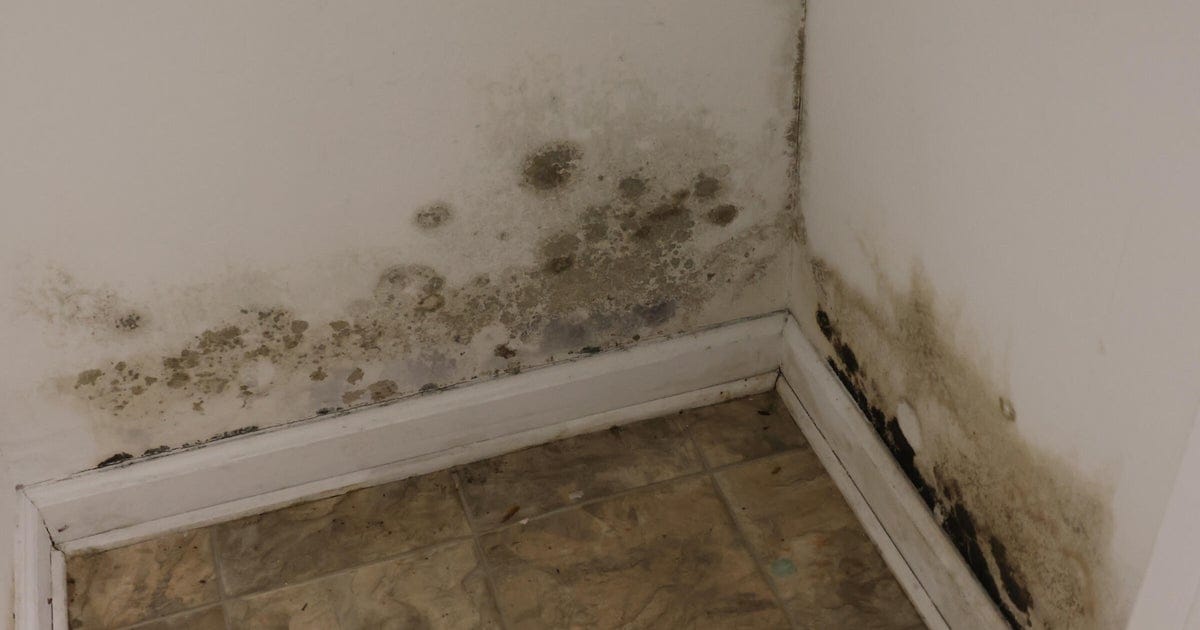
Severe mold growth

In the wake of worsening hurricanes, floods, and unpredictable weather across the U.S., a silent threat is spreading through millions of homes — and most people won’t see it until it’s too late. Mold, often hidden behind walls or quietly growing after a storm, is becoming one of the most widespread post-disaster hazards affecting families, real estate, and property markets.

A Problem Affecting Nearly Half of All Homes

According to recent estimates, about 47% of U.S. homes already have mold or dampness problems. With more extreme storms hitting coastal and inland states alike, this number continues to rise — and so do the health risks that come with it.

Did you know? 29% of Americans live in coastal counties. That’s over 95 million people at high risk for mold exposure every hurricane season.

In Tallahassee, Florida, a returning college student discovered mold covering nearly every surface of her apartment — her bed, clothing, furniture, even her purse. After a summer filled with severe storms, her home had turned into a breeding ground for spores during her absence.

How Mold Takes Hold After a Storm

Experts warn that mold can begin growing in as little as 24–48 hours if water intrusion is not thoroughly dried. Flooding, roof leaks, poor ventilation, and HVAC condensation all create perfect environments for mold to flourish — even in spotless homes.

“Mold exposure is strongly linked to respiratory issues such as asthma flare-ups, chronic congestion, skin irritation, and in severe cases, long-term lung inflammation.” — Harvard T.H. Chan School of Public Health

The issue is not just visible mold, either. One homeowner in Houston discovered toxic mold hidden deep inside her walls — and her family’s unexplained health decline suddenly made sense.

The Financial Toll: A Growing Burden on Homeowners

Mold remediation is costly. On average, homeowners spend between $1,222 and $3,751 to address mold issues. Severe contamination, however, can exceed $30,000, especially when structural repairs are needed.

Even with insurance, many households — especially those in low-income or high-risk flood areas — struggle to obtain timely help. With federal disaster relief programs facing political headwinds and budget cuts, families in need often wait years for assistance.

Communities Left Behind

In many storm-hit communities, families face an impossible choice: continue living in unsafe, mold-infested homes or risk homelessness. Some wait months — even years — for remediation assistance. During that time, chronic health issues escalate for adults and children alike.

In North Carolina, a “mold busters” training program now teaches residents how to safely remove mold themselves — a grassroots response to long delays in federal and state aid.

A Warning for the Real Estate & Housing Industry

For real estate agents, property managers, insurance professionals, and landlords, mold is no longer a rare post-storm concern — it is quickly becoming a major factor in property valuation, tenant safety, and buyer decision-making.

As climate change intensifies, hurricanes and severe storms are expected to become more frequent and destructive. This means more flooding, more water intrusion, and ultimately, more mold. Proactive prevention, updated building codes, stronger flood-resistant designs, and faster relief funding will be essential to protecting America’s housing stock.

What Professionals Can Do Now

  • Educate clients and tenants on early mold detection
  • Recommend post-storm inspections within the first 48 hours
  • Encourage moisture-prevention upgrades in older homes
  • Review insurance policies for mold-related coverage
  • Promote flood-resistant building materials in high-risk zones

Mold may be invisible — until it isn’t — but its impact on health, housing, and financial stability is anything but hidden. As severe weather events grow more frequent, understanding and mitigating this threat becomes essential for every homeowner and every professional in the real estate ecosystem.


More Articles

Getting licensed or staying ahead in your career can be a journey—but it doesn’t have to be overwhelming. Grab your favorite coffee or tea, take a moment to relax, and browse through our articles. Whether you’re just starting out or renewing your expertise, we’ve got tips, insights, and advice to keep you moving forward. Here’s to your success—one sip and one step at a time!

New Policy by REBNY Mandates Direct Payment to Buyer’s Agent

The Real Estate Board of New York (REBNY) has announced a new policy requiring sellers to directly pay the buyer's agent, effective from January 1. This significant shift aims to enhance transparency and address potential conflicts of interest in real estate transactions. The policy comes amidst ongoing lawsuits related to commission sharing and allegations of unethical practices. The implementation of this policy is expected to impact the real estate industry significantly, with sellers needing to factor in the cost of the buyer's agent commission when pricing their properties.

By |October 27, 2023|Categories: Real Estate Policy|Tags: |0 Comments

Senate Decision Sparks Controversy Over Small Business Lending

In a significant development, the U.S. Senate has voted to block the implementation of the Consumer Financial Protection Bureau's (CFPB) small business lending rule. This decision has sparked a heated debate over the impact it may have on small businesses across the country. President Biden, in response, has threatened to veto the Senate's decision, emphasizing his commitment to fair lending practices and supporting small businesses. The CFPB's rule, implemented in October 2020, requires lenders to collect and report data on small business lending. This includes information on the race, sex, and ethnicity of borrowers, with the aim of identifying and addressing potential disparities in access to credit for minority-owned and women-owned small businesses. The Senate's decision to block the CFPB's rule has been celebrated by small business advocates and industry groups critical of the CFPB's regulatory approach. However, the implications of this decision remain uncertain, as President Biden's threatened veto looms large.

By |October 26, 2023|Categories: Small Business Lending|Tags: |0 Comments

Assessing the Merits of Class-Action Commission Lawsuits

The world of real estate has recently been shaken by a wave of class-action commission lawsuits, sparking a contentious debate. These lawsuits demand scrutiny to understand their implications and validity. A primary counter-argument is the freedom of consumer choice. In today's digital age, potential buyers and sellers have access to a wealth of online resources, enabling them to undertake real estate transactions independently. Another critical factor is the negotiability of commissions in the real estate sector. Commission rates are not fixed, they are subject to negotiation between the agent and the client. This flexibility allows for open discussions, leading to mutually agreeable terms. Despite the emergence of discount brokerage firms, consumers continue to place their trust in traditional real estate agents. This preference stems not only from cost considerations but also from the value of expertise, guidance, and personalized service that agents offer. Real estate transactions are complex and often involve significant financial investments. Trusted agents provide invaluable insights, market knowledge, and negotiation skills, helping clients make informed decisions and navigate potential challenges confidently.

Understanding the Current Housing Market: The Affordability of the Typical US Home

In the last two years, the housing market has seen a dramatic shift. Soaring mortgage rates and rising home prices have led to the fastest erosion in housing market affordability in modern history, with first-time homebuyers feeling the impact the most. The housing market has undergone significant changes over the past two years, leading to a substantial increase in the income required to purchase a median-priced home. According to recent data from Redfin, a homebuyer must now earn $114,627 to afford the typical U.S. home. This is a 15% increase from the previous year and more than 50% higher than pre-pandemic levels.

Unwavering New Listings Data Amid 8% Mortgage Rates

The housing market has shown remarkable resilience in the face of rising mortgage rates. Despite rates reaching 8%, new listings data remains steady, indicating a healthy supply of homes for sale. This stability is a positive sign for both buyers and sellers, demonstrating the strength of the housing market. Despite the increase in mortgage rates, sellers in the housing market have maintained their confidence. This confidence is reflected in the steady new listing data, as sellers continue to list their properties without hesitation. It indicates that sellers believe there is still strong demand from buyers and that the potential financial impact of higher mortgage rates does not outweigh the benefits of selling their homes.

Revolution in the Real Estate Industry: New Requirement for Sellers to Compensate Buyers’ Agents

The Real Estate Board of New York (REBNY) has introduced a groundbreaking requirement for sellers to directly compensate buyers' agents. This significant change has the potential to transform the real estate industry, eliminating conflicts of interest and promoting a more client-centric approach. This shift in the compensation landscape aims to create a more transparent and trustworthy environment for buyers. Moreover, this shift towards a client-centric approach aligns with the mission and values of Cameron Academy. As a leading provider of real estate education, Cameron Academy is committed to empowering professionals to navigate the evolving industry landscape and prioritize the best interests of their clients.

By |October 25, 2023|Categories: Real Estate Industry|Tags: |0 Comments