The Hidden Mold Crisis: How Extreme Weather Is Creating a Silent Health Emergency
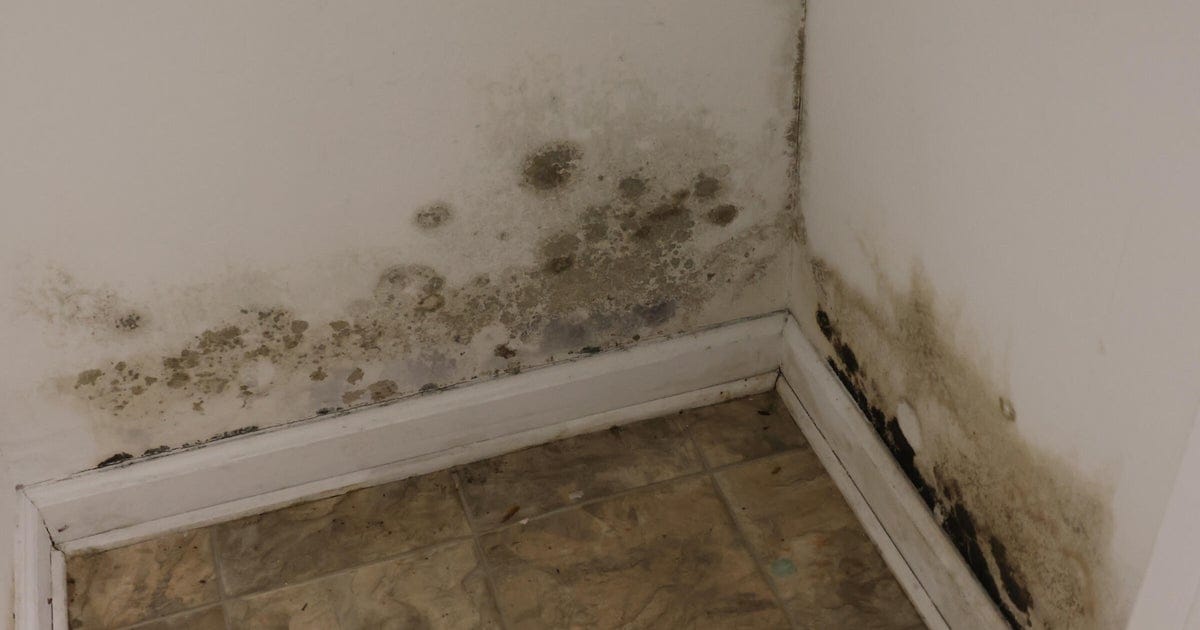
Severe mold growth

In the wake of worsening hurricanes, floods, and unpredictable weather across the U.S., a silent threat is spreading through millions of homes — and most people won’t see it until it’s too late. Mold, often hidden behind walls or quietly growing after a storm, is becoming one of the most widespread post-disaster hazards affecting families, real estate, and property markets.

A Problem Affecting Nearly Half of All Homes

According to recent estimates, about 47% of U.S. homes already have mold or dampness problems. With more extreme storms hitting coastal and inland states alike, this number continues to rise — and so do the health risks that come with it.

Did you know? 29% of Americans live in coastal counties. That’s over 95 million people at high risk for mold exposure every hurricane season.

In Tallahassee, Florida, a returning college student discovered mold covering nearly every surface of her apartment — her bed, clothing, furniture, even her purse. After a summer filled with severe storms, her home had turned into a breeding ground for spores during her absence.

How Mold Takes Hold After a Storm

Experts warn that mold can begin growing in as little as 24–48 hours if water intrusion is not thoroughly dried. Flooding, roof leaks, poor ventilation, and HVAC condensation all create perfect environments for mold to flourish — even in spotless homes.

“Mold exposure is strongly linked to respiratory issues such as asthma flare-ups, chronic congestion, skin irritation, and in severe cases, long-term lung inflammation.” — Harvard T.H. Chan School of Public Health

The issue is not just visible mold, either. One homeowner in Houston discovered toxic mold hidden deep inside her walls — and her family’s unexplained health decline suddenly made sense.

The Financial Toll: A Growing Burden on Homeowners

Mold remediation is costly. On average, homeowners spend between $1,222 and $3,751 to address mold issues. Severe contamination, however, can exceed $30,000, especially when structural repairs are needed.

Even with insurance, many households — especially those in low-income or high-risk flood areas — struggle to obtain timely help. With federal disaster relief programs facing political headwinds and budget cuts, families in need often wait years for assistance.

Communities Left Behind

In many storm-hit communities, families face an impossible choice: continue living in unsafe, mold-infested homes or risk homelessness. Some wait months — even years — for remediation assistance. During that time, chronic health issues escalate for adults and children alike.

In North Carolina, a “mold busters” training program now teaches residents how to safely remove mold themselves — a grassroots response to long delays in federal and state aid.

A Warning for the Real Estate & Housing Industry

For real estate agents, property managers, insurance professionals, and landlords, mold is no longer a rare post-storm concern — it is quickly becoming a major factor in property valuation, tenant safety, and buyer decision-making.

As climate change intensifies, hurricanes and severe storms are expected to become more frequent and destructive. This means more flooding, more water intrusion, and ultimately, more mold. Proactive prevention, updated building codes, stronger flood-resistant designs, and faster relief funding will be essential to protecting America’s housing stock.

What Professionals Can Do Now

  • Educate clients and tenants on early mold detection
  • Recommend post-storm inspections within the first 48 hours
  • Encourage moisture-prevention upgrades in older homes
  • Review insurance policies for mold-related coverage
  • Promote flood-resistant building materials in high-risk zones

Mold may be invisible — until it isn’t — but its impact on health, housing, and financial stability is anything but hidden. As severe weather events grow more frequent, understanding and mitigating this threat becomes essential for every homeowner and every professional in the real estate ecosystem.


More Articles

Getting licensed or staying ahead in your career can be a journey—but it doesn’t have to be overwhelming. Grab your favorite coffee or tea, take a moment to relax, and browse through our articles. Whether you’re just starting out or renewing your expertise, we’ve got tips, insights, and advice to keep you moving forward. Here’s to your success—one sip and one step at a time!

Free Annual Florida Real Estate Sales Associate 63-Hour Pre-License Course Livestream: A Gateway to Your Real Estate Career

Cameron Academy is thrilled to offer the Free Annual Florida Real Estate Sales Associate 63-Hour Pre-License Course Livestream. This exclusive event is an opportunity for aspiring real estate professionals to gain expert instruction, access a comprehensive curriculum, and connect with a network of professionals in the industry. The course will be livestreamed from December 04-15, 2023, allowing you to participate from the comfort of your own home or office. Register now to secure your spot in this highly sought-after course. Spaces are limited, so early registration is highly recommended. Take the first step towards your real estate career today!

New President of Franchise Operations Welcomed at Coldwell Banker

Coldwell Banker, a renowned real estate brand, has recently appointed Jason Waugh as the new president of Coldwell Banker Affiliates. In his new role, Waugh will be responsible for overseeing the brand's strategy, operations, and sales for its growing network of franchises. This appointment comes as Coldwell Banker aims to further strengthen its position in the real estate market. With an impressive background in the industry, Waugh brings a wealth of experience to his new position. Previously associated with Berkshire Hathaway HomeServices and Berkshire Hathaway Home Services Real Estate Professionals for 18 years, Waugh's expertise and leadership qualities make him an ideal fit for this role.

2024 Conforming Loan Limits Raised by UWM: Insights for Homebuyers and the Housing Market

United Wholesale Mortgage (UWM), the country's leading lender, has increased its agency conforming loan limits to $750,000. This move, ahead of the Federal Housing Finance Agency's expected decision, applies to conventional and VA loans locked from October 11. The decision offers borrowers greater flexibility and access to larger loan amounts, with the benefits of conforming loans. These loans meet the guidelines set by government-sponsored enterprises like Fannie Mae and Freddie Mac, offering lower interest rates and more favorable terms compared to non-conforming or jumbo loans.

By |October 14, 2023|Categories: Mortgage Industry|Tags: |0 Comments

Cost-Cutting Strategy at PNC Bank Leads to Staff Layoffs

PNC Bank has implemented a cost-cutting strategy, leading to layoffs and a shift in focus towards expense management and strategic priorities. The bank aims to streamline operations, improve efficiency, and reallocate resources to align with long-term goals. Despite the layoffs, PNC Bank is committed to supporting affected employees during the transition period. Learn more about PNC Bank's strategy and its impact on the industry at Cameron Academy, a leading career education school.

By |October 13, 2023|Categories: Banking Industry|Tags: |0 Comments

GSE Loan Buybacks’ Effect on Lenders and the Mortgage Market

Government-sponsored enterprise (GSE) loan buybacks have emerged as a significant issue for lenders in the mortgage market. The sudden increase in buybacks from entities like Fannie Mae and Freddie Mac is causing financial and operational strain among lenders. The rise in loan buybacks is largely due to stricter underwriting guidelines enforced by these GSEs. The impact of these buybacks is significant and far-reaching. Lenders not only face financial losses from repurchasing loans, but they also encounter operational challenges. The surge in loan buybacks has created uncertainty in the mortgage market, potentially slowing down the housing market. In response to the challenges posed by loan buybacks, lenders are implementing stricter underwriting practices and enhancing their quality control processes.

By |October 13, 2023|Categories: Mortgage Market|Tags: |0 Comments

An Unexpected Slowdown in Housing Inventory Growth Amid Rising Mortgage Rates

The housing market is currently witnessing an unusual trend - a deceleration in the growth of housing inventory, despite the rise in mortgage rates. This unexpected development has triggered concerns among potential buyers and industry experts. With mortgage rates climbing from their historic lows, the number of homes available for sale remains surprisingly stagnant. We investigate the factors contributing to this unexpected stagnation in inventory growth and examine the implications of rising mortgage rates, limited new listings, and an increase in price cuts. We also consider the impact of external elements such as labor reports and geopolitical risks on the housing market.