The Housing Dilemma in Steamboat Springs

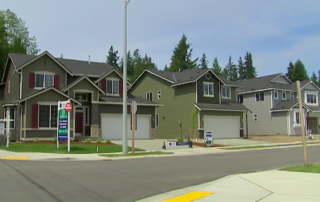
In the picturesque town of Steamboat Springs, Colorado, a fierce debate is underway over a proposed housing development known as Brown Ranch. This once-affordable “cowboy ski town” is grappling with skyrocketing real estate prices that have left even high-income professionals struggling to find homes.
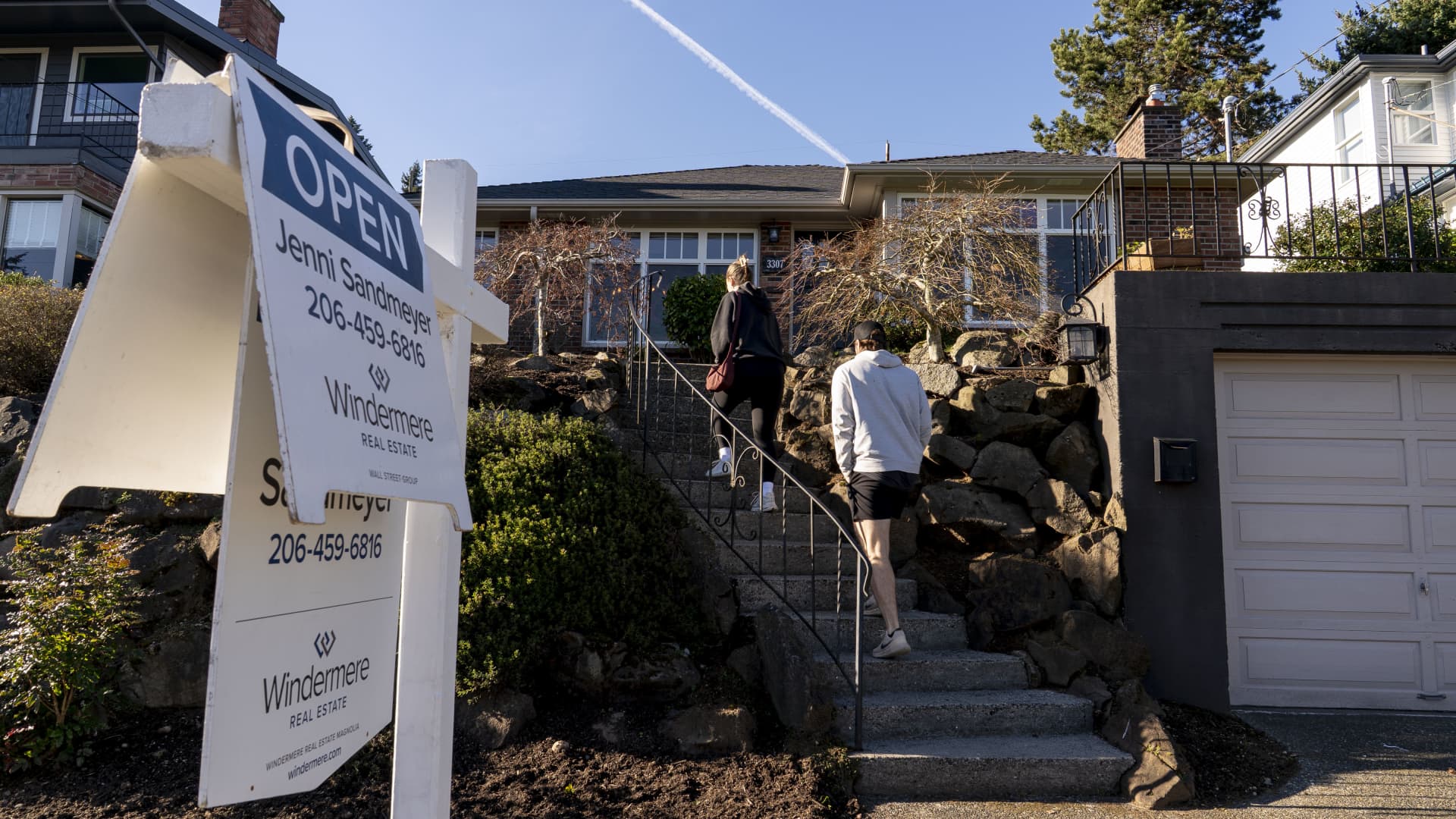
Rising Real Estate Challenges Since the pandemic, Steamboat Springs has seen single-family home prices soar by about 80% to an average of $1.8 million. The surge has put homeownership out of reach for many, with property taxes also escalating by 86%. Local realtors report that competition is so intense that those without all-cash offers are often sidelined. Read more about the housing crisis.
Brown Ranch: A Divisive Proposal The Yampa Valley Housing Authority’s Brown Ranch project has ignited a community-wide debate. Proponents argue that the development is essential for providing affordable housing. However, opponents, led by longtime resident Jim Engelken, voice concerns about its scale and impact on local infrastructure. Engelken, who has lived in Steamboat since 1979, believes the project is “too big, too much, and too expensive.”
“Yes, we need affordable housing, no question,” Engelken said. “It needs to be smaller to start with, it needs to have some ability to generate its own way, its own money.”
Despite these concerns, the city council approved the project, but opposition efforts have led to a ballot measure that will let voters decide its fate in March.
Broader Trends in Mountain Towns Steamboat Springs is not alone in this struggle. Other mountain and resort towns like Driggs, Idaho, and Woodstock, New York, have experienced similar real estate booms. In Driggs, home prices have risen around 80% since the pandemic, while Woodstock has seen a 78% increase. The influx of buyers seeking more affordable alternatives to high-profile destinations has exacerbated these issues. Explore Driggs home prices and Woodstock prices.
Community Identity at Stake Steamboat’s identity as a small-town Western haven is at risk. The town, once known for its affordability compared to places like Vail, is now facing a real estate crisis. City Manager Gary Suiter notes that the town’s authentic charm is being challenged by these rapid changes.
As the debate over Brown Ranch continues, the community must weigh the need for affordable housing against the preservation of its unique character. The outcome of the March ballot will be pivotal in shaping the future of this beloved “cowboy ski town.”

More Articles

Getting licensed or staying ahead in your career can be a journey—but it doesn’t have to be overwhelming. Grab your favorite coffee or tea, take a moment to relax, and browse through our articles. Whether you’re just starting out or renewing your expertise, we’ve got tips, insights, and advice to keep you moving forward. Here’s to your success—one sip and one step at a time!

Is a Real Estate Rebound on the Horizon? The 3X ETF Making Waves With Bold Investors

After years of sluggish commercial real estate performance, falling interest rates may finally set the stage for a market rebound. As the Federal Reserve signals further cuts, investors are eyeing REITs—and especially the Direxion Real Estate Bull 3X ETF (DRN), a leveraged fund designed to triple the daily movement of major commercial real estate stocks. DRN offers powerful upside potential during a rally, but its high‑risk, short‑term nature means it’s best suited for experienced traders who understand volatility and the mechanics of leverage.

Florida’s Bold New Bill Could Require Employers to Help Pay First-Time Homebuyers’ Costs

A new proposal in Florida’s legislature could reshape the path to homeownership for working residents. House Bill 311, championed by State Rep. Jervonte Edmonds, would require certain private employers to contribute up to $5,000 toward their first-time homebuyer employees’ down payments or closing costs. Backed by bipartisan support, the bill ties employer tax write-offs directly to helping workers purchase homes, marking a unique approach to housing affordability. Now moving through committee, HB 311 could become one of the nation’s most innovative employer-assisted housing programs.

AI Forces Real Estate to Finally Clean Up Its Data Chaos

Artificial intelligence is pushing the real estate industry to confront a long‑standing problem: its data is fragmented, inconsistent, and nearly impossible for AI systems to interpret. From leases and rent rolls to county records and work orders, nothing is standardized, making AI adoption costly and inefficient. Industry leaders are now turning toward shared data standards and ontologies—like OSCRE’s “smart data highway”—to create cleaner, interoperable information systems. As real estate evolves, professionals who understand data and AI will have a major advantage, and schools like Cameron Academy are helping prepare them for this shift.

January Home Sales Plunge 8.4%, Sparking Fears of a “New Housing Crisis”

The U.S. housing market stumbled into 2026 as January home sales tumbled 8.4% from December, hitting their lowest pace in over a year. With inventory still tight, prices rising, and market activity stagnating, NAR’s chief economist warns that Americans—especially renters—are “stuck” in a new kind of housing crisis. Despite improving affordability on paper, sluggish movement and regional declines signal a market demanding sharper strategy and adaptability from today’s real estate professionals.

5 Best Home Insurance Companies of 2026: What Homeowners and Real Estate Pros Need to Know

A fresh 2026 analysis reveals the top home insurance companies in the U.S., breaking down which carriers offer the best value, coverage options, and customer satisfaction. State Farm leads for customer experience, American Family shines for first-time buyers, and Allstate, Farmers, and Nationwide each earn top marks in specialized categories. With Florida’s premiums surging to more than double the national average, industry pros and homeowners alike gain a clear advantage by understanding which insurers remain strong—especially as weather risks, insurer withdrawals, and rising reconstruction costs reshape the market.

Florida Insurance Costs Drop 14.5% as Reforms Spark $4.2B in Economic Growth

A new Perryman Group analysis shows Florida’s 2022–2023 insurance reforms are paying off, lowering property‑casualty costs by 14.5% and generating more than $4.2 billion in economic activity. With over 29,000 jobs created and premium increases nearly flat in 2025, the state’s long‑troubled insurance market is finally stabilizing as major carriers reduce rates and return to the market.