The Housing Dilemma in Steamboat Springs

In the picturesque town of Steamboat Springs, Colorado, a fierce debate is underway over a proposed housing development known as Brown Ranch. This once-affordable “cowboy ski town” is grappling with skyrocketing real estate prices that have left even high-income professionals struggling to find homes.
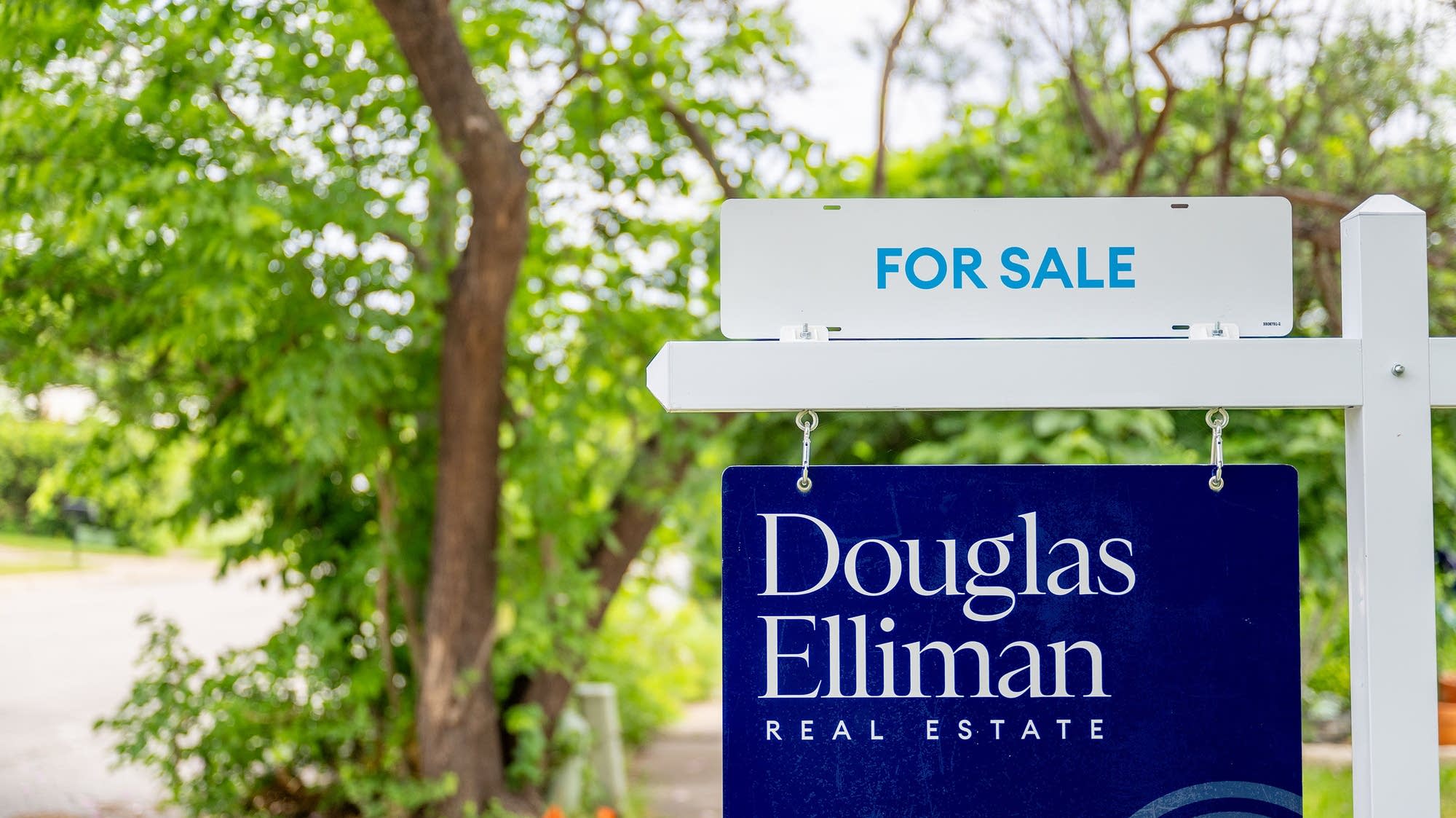
Rising Real Estate Challenges Since the pandemic, Steamboat Springs has seen single-family home prices soar by about 80% to an average of $1.8 million. The surge has put homeownership out of reach for many, with property taxes also escalating by 86%. Local realtors report that competition is so intense that those without all-cash offers are often sidelined. Read more about the housing crisis.
Brown Ranch: A Divisive Proposal The Yampa Valley Housing Authority’s Brown Ranch project has ignited a community-wide debate. Proponents argue that the development is essential for providing affordable housing. However, opponents, led by longtime resident Jim Engelken, voice concerns about its scale and impact on local infrastructure. Engelken, who has lived in Steamboat since 1979, believes the project is “too big, too much, and too expensive.”
“Yes, we need affordable housing, no question,” Engelken said. “It needs to be smaller to start with, it needs to have some ability to generate its own way, its own money.”
Despite these concerns, the city council approved the project, but opposition efforts have led to a ballot measure that will let voters decide its fate in March.
Broader Trends in Mountain Towns Steamboat Springs is not alone in this struggle. Other mountain and resort towns like Driggs, Idaho, and Woodstock, New York, have experienced similar real estate booms. In Driggs, home prices have risen around 80% since the pandemic, while Woodstock has seen a 78% increase. The influx of buyers seeking more affordable alternatives to high-profile destinations has exacerbated these issues. Explore Driggs home prices and Woodstock prices.
Community Identity at Stake Steamboat’s identity as a small-town Western haven is at risk. The town, once known for its affordability compared to places like Vail, is now facing a real estate crisis. City Manager Gary Suiter notes that the town’s authentic charm is being challenged by these rapid changes.
As the debate over Brown Ranch continues, the community must weigh the need for affordable housing against the preservation of its unique character. The outcome of the March ballot will be pivotal in shaping the future of this beloved “cowboy ski town.”

More Articles

Getting licensed or staying ahead in your career can be a journey—but it doesn’t have to be overwhelming. Grab your favorite coffee or tea, take a moment to relax, and browse through our articles. Whether you’re just starting out or renewing your expertise, we’ve got tips, insights, and advice to keep you moving forward. Here’s to your success—one sip and one step at a time!

Emerging Greenhouse Risks and Insurance Trends Shaping 2026

The greenhouse industry is entering 2026 with a complex wave of overlapping risks — from rising insurance costs and extreme weather to cyber threats, labor shortages, and unstable supply chains. These challenges aren’t isolated; they compound one another, increasing pressure on growers and business owners alike. Insights from industry experts reveal the key trends shaping risk management in the year ahead and what operators must do now to stay resilient.

Bank Regulations Are Shifting — How New FDIC Rules Are Reshaping Commercial Real Estate

New FDIC reporting rules are changing how banks classify and disclose commercial real estate loans, replacing the old Troubled Debt Restructuring label with clearer “financial difficulty” modifications and expanding transparency across structured products and capital requirements. These updates may briefly tighten lending but ultimately promise stronger liquidity, cleaner risk data, and more predictable CRE financing as banks adapt.

AI in Real Estate: The Market Shift Every Professional Must Prepare For

Artificial intelligence is no longer an upcoming trend—it's already reshaping how real estate professionals work, compete, and win. With the AI real estate sector set to surge from $222B in 2024 to nearly $1T by 2029, the industry is undergoing a rapid transformation in valuations, virtual tours, listings, investment analysis, and client management. Agents and investors who embrace AI tools are gaining unprecedented efficiency and insight, while those who resist risk falling behind.

The 50‑Year Mortgage Debate: Lifeline for Buyers or Decades of Debt?

The Federal Housing Finance Agency is weighing the idea of 50‑year mortgages, a move that could make monthly payments more affordable but dramatically increase total interest costs. Supporters say it may help young professionals break into the housing market, while critics warn it could trap families in half a century of debt. As the industry debates this controversial loan option, real estate and mortgage professionals must stay informed to guide clients through the shifting landscape.

December Mortgage Outlook: Why Rates May Rise Despite Market Confusion

December is shaping up to be another unpredictable month for mortgage rates. With the Federal Reserve signaling mixed messages, key economic reports running behind schedule, and lenders already looking ahead to 2026, rates could face upward pressure. Experts from Fannie Mae and the MBA project an average 30‑year rate around 6.3% for late 2025, suggesting a potential December bump. For real estate and mortgage professionals, understanding this volatility isn’t just helpful — it’s a competitive edge.

The Housing Market Hits a Winter Chill

Sellers are cutting prices at record levels, delistings are surging to highs not seen since 2017, and buyers remain hesitant despite slightly lower mortgage rates. With affordability still strained and new construction slowing, the 2025 housing market is entering a deeper‑than‑usual winter slowdown marked by caution on all sides.