The Housing Dilemma in Steamboat Springs

In the picturesque town of Steamboat Springs, Colorado, a fierce debate is underway over a proposed housing development known as Brown Ranch. This once-affordable “cowboy ski town” is grappling with skyrocketing real estate prices that have left even high-income professionals struggling to find homes.
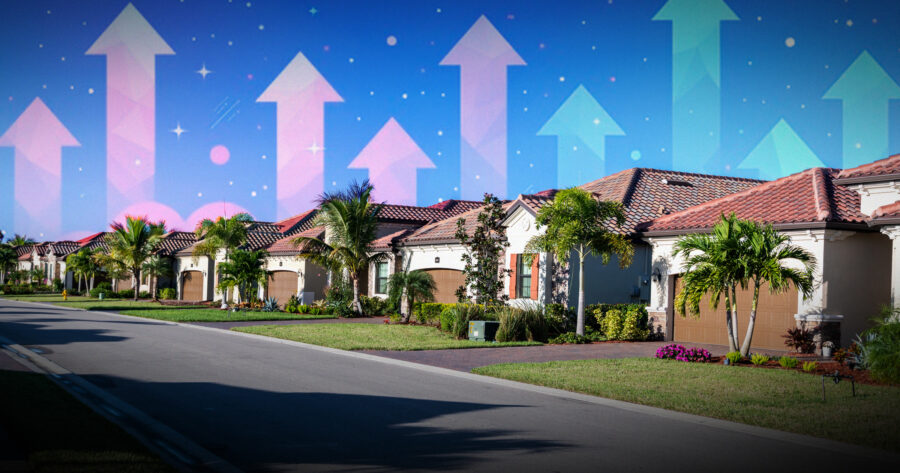
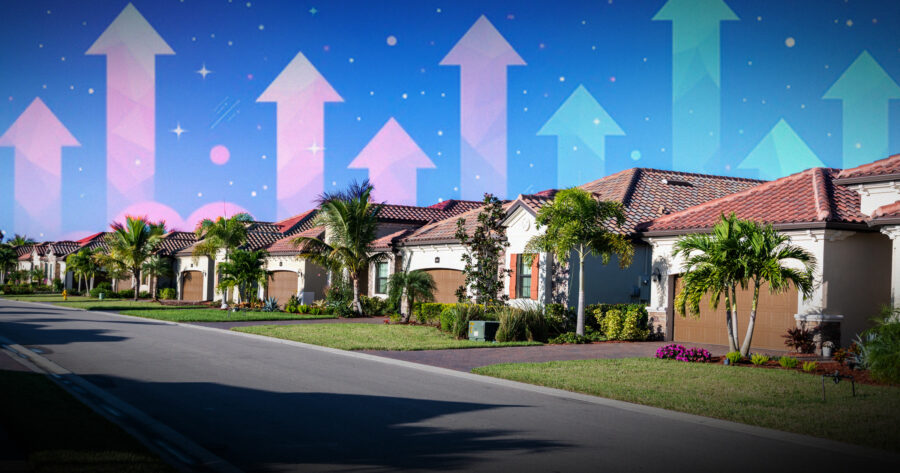
Rising Real Estate Challenges Since the pandemic, Steamboat Springs has seen single-family home prices soar by about 80% to an average of $1.8 million. The surge has put homeownership out of reach for many, with property taxes also escalating by 86%. Local realtors report that competition is so intense that those without all-cash offers are often sidelined. Read more about the housing crisis.
Brown Ranch: A Divisive Proposal The Yampa Valley Housing Authority’s Brown Ranch project has ignited a community-wide debate. Proponents argue that the development is essential for providing affordable housing. However, opponents, led by longtime resident Jim Engelken, voice concerns about its scale and impact on local infrastructure. Engelken, who has lived in Steamboat since 1979, believes the project is “too big, too much, and too expensive.”
“Yes, we need affordable housing, no question,” Engelken said. “It needs to be smaller to start with, it needs to have some ability to generate its own way, its own money.”
Despite these concerns, the city council approved the project, but opposition efforts have led to a ballot measure that will let voters decide its fate in March.
Broader Trends in Mountain Towns Steamboat Springs is not alone in this struggle. Other mountain and resort towns like Driggs, Idaho, and Woodstock, New York, have experienced similar real estate booms. In Driggs, home prices have risen around 80% since the pandemic, while Woodstock has seen a 78% increase. The influx of buyers seeking more affordable alternatives to high-profile destinations has exacerbated these issues. Explore Driggs home prices and Woodstock prices.
Community Identity at Stake Steamboat’s identity as a small-town Western haven is at risk. The town, once known for its affordability compared to places like Vail, is now facing a real estate crisis. City Manager Gary Suiter notes that the town’s authentic charm is being challenged by these rapid changes.
As the debate over Brown Ranch continues, the community must weigh the need for affordable housing against the preservation of its unique character. The outcome of the March ballot will be pivotal in shaping the future of this beloved “cowboy ski town.”

More Articles

Getting licensed or staying ahead in your career can be a journey—but it doesn’t have to be overwhelming. Grab your favorite coffee or tea, take a moment to relax, and browse through our articles. Whether you’re just starting out or renewing your expertise, we’ve got tips, insights, and advice to keep you moving forward. Here’s to your success—one sip and one step at a time!

How Your 2025 Salary Stacks Up Against America’s Fastest‑Growing Careers

New data from the U.S. Bureau of Labor Statistics reveals major pay gaps across industries as we head into 2025. While top roles in finance, tech, and healthcare exceed $130,000 to $160,000 a year, other professions lag far behind—even when education levels are similar. Job titles, location, experience, and specialized skills are now some of the biggest factors shaping how much you earn. If you’ve been wondering whether your paycheck is keeping up with the market, this breakdown shows exactly where you stand and what it takes to boost your earning power.

Homebuyer Remorse Drops as 2025 Market Gives Buyers More Time and Leverage

A cooling housing market is giving buyers something they haven’t had in years: room to breathe. With slower sales, more inventory, and less pressure to make snap decisions, homebuyer regret has noticeably declined in 2025. Buyers are feeling more confident thanks to fewer bidding wars, reduced overpaying, and stronger financial preparation—though maintenance surprises still pose challenges. This shift toward a true buyer’s market offers real estate professionals a prime opportunity to guide clients with clarity and confidence.

Weekly CRE Pulse: Shutdown Shockwaves, STEM City Surges, and Signs of Market Momentum

This week’s commercial real estate roundup unpacks the lingering economic fallout from the 43‑day federal shutdown, new pressures on major office markets, and the rise of STEM‑driven cities reshaping demand nationwide. With fresh Q3 data from Altus showing stronger‑than‑expected transaction momentum, plus updates on Chicago’s valuation slide and national mortgage policy debates, this edition delivers the essential trends CRE, mortgage, finance, and appraisal professionals need to stay ahead.

ATTOM Wins Inman’s 2025 Best of Proptech Award for Data and Intelligence Innovation

ATTOM has been named Inman’s 2025 Best of Proptech winner, earning top recognition for its leadership in data and intelligence platforms. With advancements like Snowflake integration, ATTOM Nexus, and enhanced parcel‑centric analytics, the company is shaping the future of AI‑driven real estate decision‑making. This win highlights ATTOM’s growing role as a trusted data backbone for real estate, mortgage, insurance, and investment professionals nationwide.

Florida’s Insurance Crisis: Why Premiums Keep Rising and What It Means for Homeowners

A new report reveals that Florida’s property insurance market is far from recovering. Despite political claims of stabilization, homeowners are seeing premiums up 54% since 2019, widespread insurer instability, and some companies re‑entering the market under rebranded identities. With high rates of unpaid claims, delayed payouts, and policy non‑renewals, lawmakers are now pushing for transparency and oversight. For homeowners and industry professionals alike, understanding these risks is critical as Florida’s insurance challenges continue to deepen.

Florida’s Insurance “Recovery” Isn’t Reaching Homeowners

Despite new insurers entering the state and lawmakers touting market improvements, a new report reveals Florida’s property insurance system is still plagued by high premiums, weak oversight, and companies with troubled histories. Rates have climbed 54% since 2019, nearly one‑fifth of homeowners are now uninsured, and Florida leads the nation in unpaid and delayed claims. Critics warn that the state’s strategy of shifting risk to undercapitalized private companies may set the stage for another crisis — leaving homeowners, buyers, and real estate professionals navigating a market that’s far from stable.