“`html

As the climate crisis intensifies, the U.S. homeowners insurance market faces a daunting challenge, one that threatens to leave countless American families vulnerable. Recent insights from an article in Nature highlight the growing void in this critical sector, raising the question: Who should bear the escalating costs associated with climate change?


Insurance Retreat from High-Risk Areas

Homeowner insurance serves as a cornerstone of financial security, underpinning housing markets and offering a safety net for individuals and communities recovering from disasters. However, as climate change heightens the frequency and severity of natural disasters, insurers are increasingly retreating from high-risk areas, leaving homeowners exposed at their most vulnerable moments.


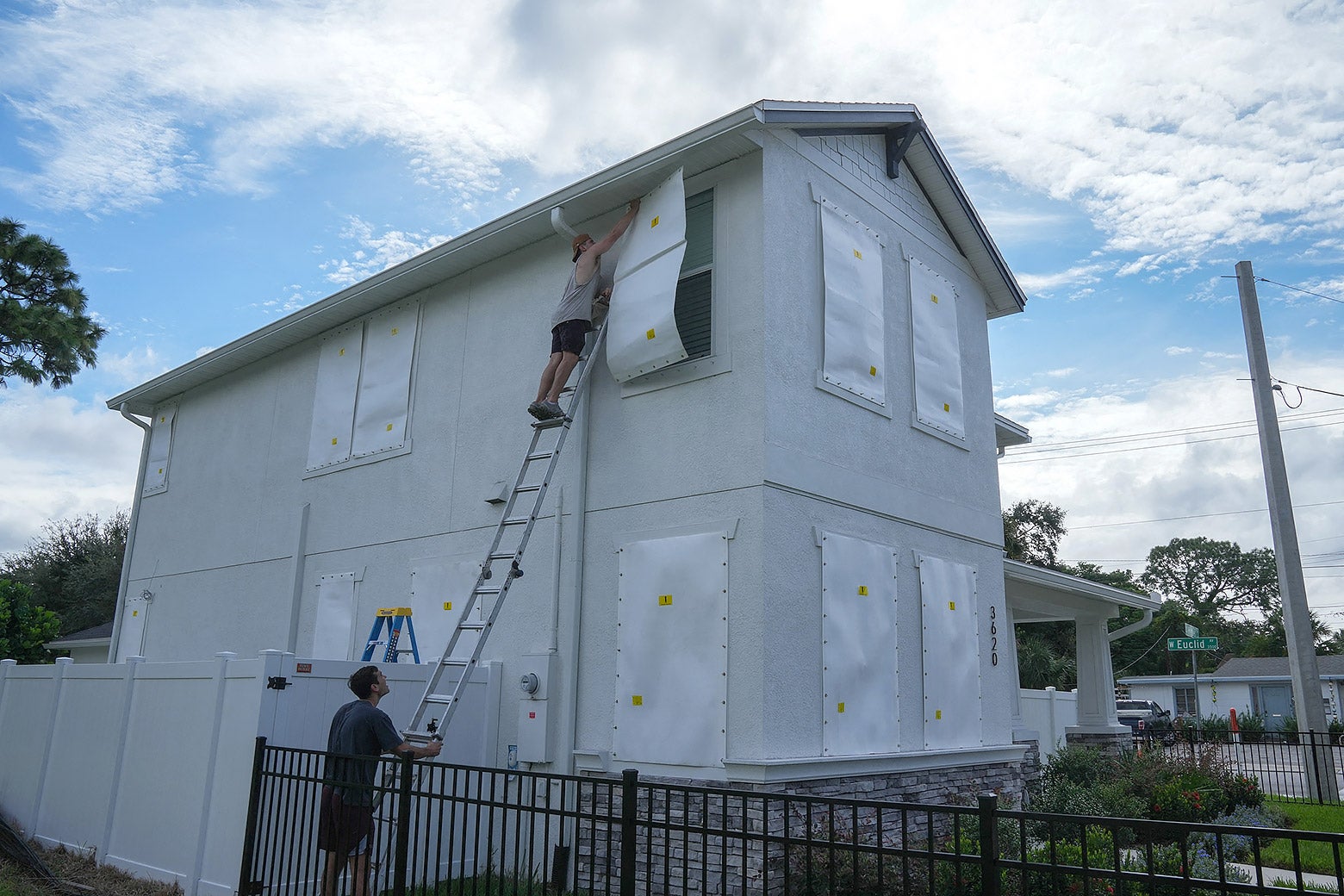
Events such as Hurricane Helene, which ravaged Florida’s west coast, and the catastrophic wildfires in California have starkly illustrated the gaps in insurance coverage. Many affected by these disasters found themselves without adequate protection, a situation exacerbated by insurers withdrawing from these perilous zones.


Rising Premiums and Market Trends

The market trends are alarming. Insurers are reporting increased losses and rising premiums, making it more challenging for homeowners to secure affordable coverage. This trend is compounded by migration patterns that see more Americans moving into hazard-prone areas, further straining the insurance market.


Innovative Solutions and Collaborative Efforts

To address these challenges, the article advocates for a multi-faceted approach. Key strategies include fostering innovations in pricing and underwriting, enhancing data transparency, and bolstering infrastructure resilience. Such reforms require collaboration among insurers, government agencies, and communities to ensure sustainable protection for the future.


The original article from Nature serves as a clarion call for action, urging stakeholders to come together to devise solutions that balance the needs of homeowners with the realities of a changing climate. As the insurance market grapples with these unprecedented challenges, the path forward will require creativity, cooperation, and a commitment to resilience.


For further reading, you can access the full article here or download the PDF version.

“`

More Articles

Getting licensed or staying ahead in your career can be a journey—but it doesn’t have to be overwhelming. Grab your favorite coffee or tea, take a moment to relax, and browse through our articles. Whether you’re just starting out or renewing your expertise, we’ve got tips, insights, and advice to keep you moving forward. Here’s to your success—one sip and one step at a time!

Legislative Shifts in Telehealth: A Closer Look at California’s New Norms

In the rapidly evolving landscape of telehealth, recent legislative updates have set the stage for significant changes, particularly impacting healthcare providers, Medicaid, and digital health companies.

By |October 21, 2024|Categories: Article, Legislative Changes, Telehealth|Tags: |0 Comments

2024 Commercial Real Estate: Navigating Shifting Investment Trends

In the ever-evolving world of commercial real estate, the year 2024 is marked by a significant shift in investment trends, driven by the insights of renowned investor Charlie Munger.

Florida’s Resilient Appeal Amid Climate Challenges

Despite the increasing frequency and intensity of hurricanes, wealthy homeowners in Florida seem unfazed. In fact, the impact of these natural disasters on the housing market is reshaping the demographic landscape, but not in the way one might expect.

By |October 21, 2024|Categories: Article, Climate Change, Real Estate/Housing Market|Tags: , |0 Comments

The CrowdStrike Outage: A Glitch in the Aviation Matrix

On July 19, 2024, CrowdStrike became a household topic due to a flawed software update affecting millions of computers, significantly impacting the aviation sector with thousands of flight cancellations and substantial financial losses.

Empty Office Buildings: A New Urban Economic Challenge

"The 10 largest U.S. cities have lost around 2 million residents in the past three years, shrinking their tax base and perpetuating what is termed an 'urban doom loop.'"

By |October 20, 2024|Categories: Article, Real Estate, Urban Development|Tags: , |0 Comments

California’s Housing Overhaul: A New Era for Landlords and Tenants

In a transformative move towards enhancing housing affordability and tenant security, California is poised to introduce significant legislative changes in 2024. These changes, encapsulated in Senate Bill 567 and Assembly Bill 12, promise to reshape the landscape for landlords and tenants alike.