“`html

As the climate crisis intensifies, the U.S. homeowners insurance market faces a daunting challenge, one that threatens to leave countless American families vulnerable. Recent insights from an article in Nature highlight the growing void in this critical sector, raising the question: Who should bear the escalating costs associated with climate change?


Insurance Retreat from High-Risk Areas

Homeowner insurance serves as a cornerstone of financial security, underpinning housing markets and offering a safety net for individuals and communities recovering from disasters. However, as climate change heightens the frequency and severity of natural disasters, insurers are increasingly retreating from high-risk areas, leaving homeowners exposed at their most vulnerable moments.


Events such as Hurricane Helene, which ravaged Florida’s west coast, and the catastrophic wildfires in California have starkly illustrated the gaps in insurance coverage. Many affected by these disasters found themselves without adequate protection, a situation exacerbated by insurers withdrawing from these perilous zones.


Rising Premiums and Market Trends

The market trends are alarming. Insurers are reporting increased losses and rising premiums, making it more challenging for homeowners to secure affordable coverage. This trend is compounded by migration patterns that see more Americans moving into hazard-prone areas, further straining the insurance market.


Innovative Solutions and Collaborative Efforts

To address these challenges, the article advocates for a multi-faceted approach. Key strategies include fostering innovations in pricing and underwriting, enhancing data transparency, and bolstering infrastructure resilience. Such reforms require collaboration among insurers, government agencies, and communities to ensure sustainable protection for the future.


The original article from Nature serves as a clarion call for action, urging stakeholders to come together to devise solutions that balance the needs of homeowners with the realities of a changing climate. As the insurance market grapples with these unprecedented challenges, the path forward will require creativity, cooperation, and a commitment to resilience.


For further reading, you can access the full article here or download the PDF version.

“`

More Articles

Getting licensed or staying ahead in your career can be a journey—but it doesn’t have to be overwhelming. Grab your favorite coffee or tea, take a moment to relax, and browse through our articles. Whether you’re just starting out or renewing your expertise, we’ve got tips, insights, and advice to keep you moving forward. Here’s to your success—one sip and one step at a time!

As Wildfire Season Intensifies, AI Becomes a Key Tool for Experts

With each passing year, the threat of wildfires looms larger, fueled by the relentless march of climate change. AI technologies are emerging as game-changers in wildfire detection and management, providing real-time identification and valuable insights.

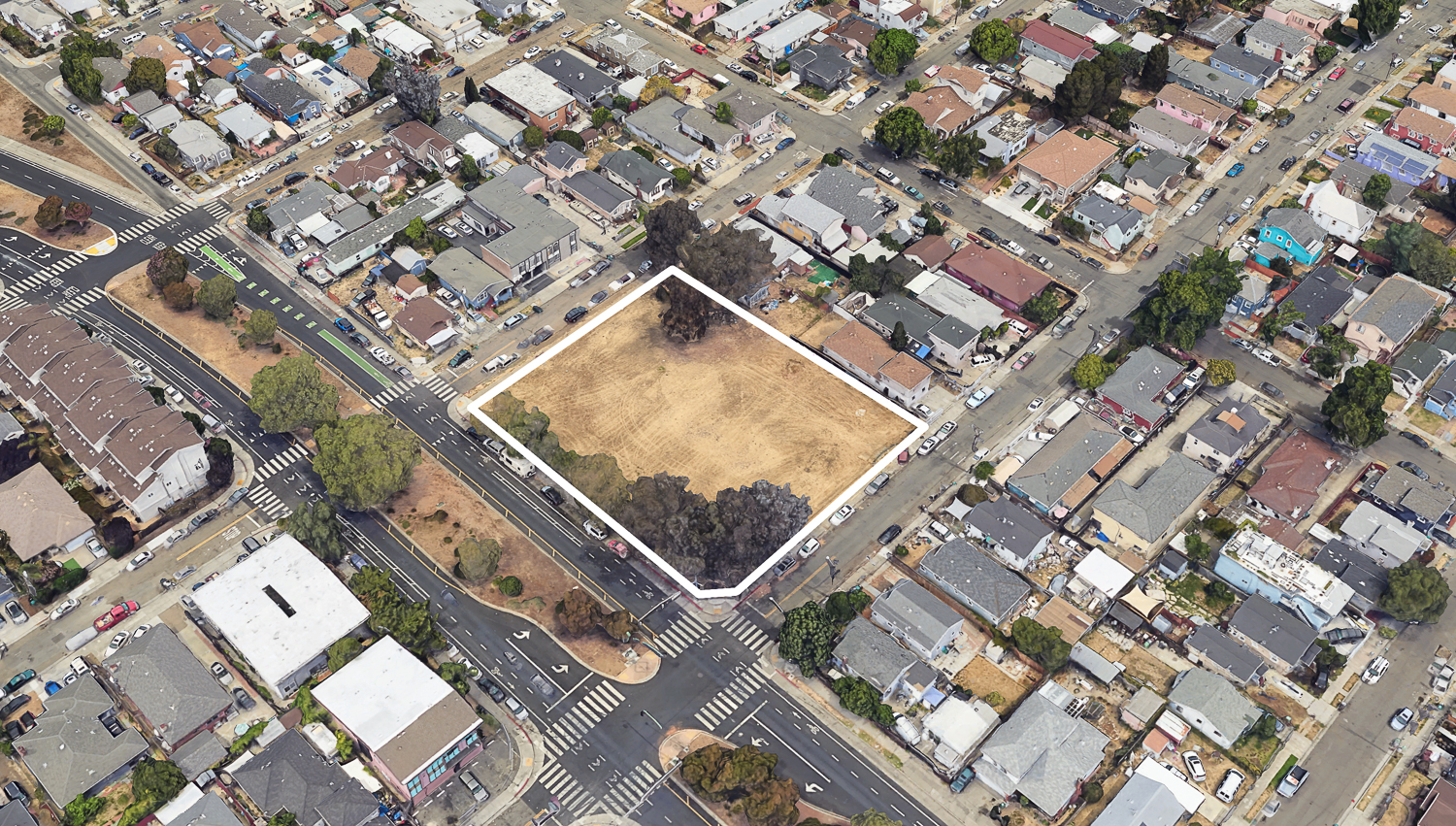
New Affordable Housing Project Proposed in Eastmont, Oakland

Eden Housing's proposal is part of a broader initiative to redevelop the underutilized land surrounding the Eastmont Town Center, a hub for shopping and social services in East Oakland.

Innovative Solutions to California’s Housing Crisis

In the heart of California, a state renowned for its innovation and economic prowess, a housing crisis looms large. The demand for housing far exceeds the supply, leading to skyrocketing costs and a severe affordability gap.

Housing Market Challenges and Prospects for 2024: A Comprehensive Overview

The housing market in 2024 continues to be a battleground, with sellers maintaining the upper hand due to persistently low inventory levels. Despite a slight dip in mortgage rates, which have decreased to 7.09% from their peak, they remain high enough to deter potential buyers.

By |October 17, 2024|Categories: Article, Economic Forecasting, Real Estate|Tags: , |0 Comments

Navigating Post-Pandemic Challenges in Commercial Real Estate

The ongoing struggles in commercial real estate underscore the need for banks to adapt and innovate in response to evolving market conditions. As the sector navigates these challenges, the focus remains on strategic maneuvers and legislative considerations that will shape its future trajectory.

Addressing America’s Housing Crisis: A New Proposal

The current housing landscape is bleak for many. In most American counties, even a modest one-bedroom apartment is out of reach for minimum-wage workers. The situation is exacerbated by the increasing influence of large financial firms in the housing market, leaving working families to compete in an unfair bidding war.

By |October 17, 2024|Categories: Article, Housing, Legislation|Tags: , |0 Comments