The Impact of FinTech on Sub-Saharan Africa’s Financial Landscape
The financial sector worldwide has been revolutionized by the advent of Financial Technology (FinTech), marking a new phase in the evolution of financial services. According to a detailed analysis by TRENDS Research & Advisory, FinTech’s integration of technological innovations with financial services has brought about a transformative impact, offering novel, flexible, and cost-effective financial products.
Sub-Saharan Africa: A Fertile Ground for FinTech
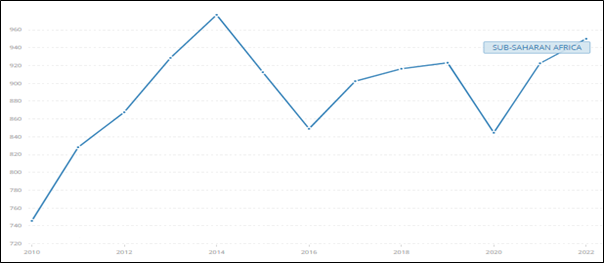
Sub-Saharan Africa, with its youthful demographic—approximately 40% of its population is under 15—presents a ripe opportunity for FinTech adoption. This region’s large underbanked population, estimated at 42% of adults, underscores the potential for FinTech to drive financial inclusion. The widespread use of mobile technology, with around 650 million mobile users, further enhances this potential. The GSMA Mobile Economy Report highlights that Sub-Saharan Africa leads globally in mobile money transactions, totaling $490 billion in 2020.
Challenges and Opportunities
Despite the promising landscape, FinTech adoption in Sub-Saharan Africa faces several challenges. Regulatory hurdles, infrastructure limitations, and cybersecurity threats are significant barriers. However, these challenges also present opportunities for growth. Policy reforms, investment in infrastructure, and public-private partnerships are vital to overcoming these obstacles and seizing the opportunities FinTech offers.
Success Stories and Future Prospects
Countries like Zambia and Nigeria illustrate the transformative power of FinTech. Zambia has seen a dramatic rise in digital financial inclusion, with active digital financial accounts increasing from 2% to 44% of the adult population between 2014 and 2019. Meanwhile, Nigeria’s FinTech sector is thriving, driven by a tech-savvy population and government support for digital financial solutions.
Looking ahead, the future of FinTech in Sub-Saharan Africa is promising. Emerging technologies such as AI-driven solutions and blockchain applications hold significant potential for enhancing financial services accessibility and efficiency. With continued investment and innovation, FinTech is poised to play a pivotal role in transforming the financial landscape of the region and improving the lives of millions.
Conclusion
The impact of FinTech on Sub-Saharan Africa’s financial services sector is profound, fostering financial inclusion and reshaping traditional banking paradigms. As the region continues to embrace innovative solutions, collaboration among policymakers, regulators, and stakeholders is crucial to harnessing the full potential of FinTech for sustainable growth.
More Articles
Getting licensed or staying ahead in your career can be a journey—but it doesn’t have to be overwhelming. Grab your favorite coffee or tea, take a moment to relax, and browse through our articles. Whether you’re just starting out or renewing your expertise, we’ve got tips, insights, and advice to keep you moving forward. Here’s to your success—one sip and one step at a time!
In a rapidly evolving healthcare landscape, the Arab Health 2025 exhibition in Dubai emerges as a pivotal event, set to showcase the transformative role of technology in medicine across the Middle East.
The world of healthcare is on the brink of a revolution, as new technologies promise to reshape the landscape of medicine by 2025. As reported by The Island News, these advancements are poised to bring about transformative changes, ensuring that the future of healthcare is both innovative and patient-centric.
Modern wearables, particularly smartwatches, now offer functionalities such as heart rate monitoring, oxygen saturation, blood pressure tracking, and ECG readings. These features support the growing concepts of quantified self, body hacking, and self-surveillance, fostering a proactive approach to health management.
The cyber insurance and reinsurance industry is on a trajectory towards sustained profitability through 2025, as highlighted by a recent assessment from S&P Global Ratings. This optimism stems from consistent underwriting gains anticipated for 2023 and 2024, primarily driven by significant premium rate hikes and stricter policy terms implemented between 2021 and 2022.
2025 has ushered in a new era of innovation that seamlessly integrates convenience, security, and efficiency into our daily lives, creating a cohesive ecosystem that elevates your home’s IQ.
V2X technology enables seamless communication between vehicles, pedestrians, and infrastructure, transforming a vision once confined to science fiction into a tangible reality.