Remote work has emerged as a transformative force in real estate investment across India, particularly following the global shift prompted by the COVID-19 pandemic. This evolution is not merely a temporary adjustment but a profound change in how individuals perceive their living and working spaces. As remote work gains traction, so does the demand for homes that support this new lifestyle.

The Rise of Remote Working

Remote work has shifted traditional office-based environments as more companies adopt flexible work policies. This shift affects the demand for different types of properties, with a notable decrease in the need for commercial spaces and an increase in the appeal of residential setups.

Impact on Real Estate Investment

Investors are now prioritizing residential properties, particularly those in suburban and rural areas, which provide spacious environments conducive to home offices. This shift has reinvigorated interest in locations offering enhanced quality of life, breathing space, and amenities that urban centers often lack.

The demand for such properties has led to fluctuating real estate prices across different areas. While urban centers witness steady or reducing prices due to lessening demand for commercial offices, suburban and rural regions are experiencing a rise due to increased desirability and potential for appreciation.

Important Considerations for Investors

  • Connectivity & Infrastructure: High-speed internet and comprehensive infrastructure are key for appealing property investments.
  • Quality of Life: Desirable properties are in areas with high living standards, safety, and community amenities.
  • Property Features: Homes with office spaces, natural light, and sufficient outdoor areas are in high demand.
  • Market Trends: Keeping up with real estate dynamics is essential for strategic investment.
  • Legal & Regulatory Factors: Understanding property laws and zoning regulations is critical to compliance.
  • Future Prospects: Long-term area potential hinges on factors like infrastructure projects and economic policies.
  • Community Engagement: Areas with active social communities and cultural amenities are attractive to remote workers.


For investors navigating this changing landscape, several critical factors must be considered. Connectivity, particularly high-speed internet, becomes a decisive factor, as does infrastructure support in these regions. Moreover, remote workers value quality-of-life aspects like air quality, safety, and community, pushing investors to lean towards investing in areas rich with these attributes.

Furthermore, staying abreast with market trends is vital. Investors should closely monitor current demand-supply dynamics and future development plans to make informed decisions. A thorough understanding of legal and regulatory demands ensures compliance, while insights into future prospects based on economic growth potential help in identifying high-return opportunities.

In summary, remote work is dramatically reshaping real estate trends in India. By understanding and adapting to these shifts, investors can make savvy decisions, aligning their strategies with this evolving landscape and capitalizing on the burgeoning opportunities that remote working presents.

For more personalized advice, it may be beneficial to explore Buddhist solutions like Feng Shui for your remote workspace, which can enhance productivity and tranquility in home offices.

Have questions or insights on this topic? Feel free to reach out to Jhumur Ghosh, Editor-in-Chief, at [email protected].

More Articles

Getting licensed or staying ahead in your career can be a journey—but it doesn’t have to be overwhelming. Grab your favorite coffee or tea, take a moment to relax, and browse through our articles. Whether you’re just starting out or renewing your expertise, we’ve got tips, insights, and advice to keep you moving forward. Here’s to your success—one sip and one step at a time!

2026 Western U.S. Commercial Real Estate Forecast: Key Market Shifts Professionals Need to Know

The Western U.S. commercial real estate sector is gearing up for a pivotal year in 2026, with new forecasts from Kidder Mathews showing steady economic growth, moderating inflation, and improving fundamentals across office, industrial, retail, and multifamily markets. From slow but stabilizing office recovery to strong retail performance and tightening industrial demand, the region is entering a period of rebalancing that presents fresh opportunities for real estate and related professionals.

January’s Weak Job Growth Signals a Cooling Economy — And New Pressure on the Fed

A delayed federal jobs report has pushed ADP’s data into the spotlight, revealing that private employers added just 22,000 jobs in January — far below expectations. Revised December numbers and ongoing declines in key sectors like professional services and manufacturing point to a cooling labor market heading into 2025. While wage growth remains steady, uneven job creation across regions and industries is raising new questions about future interest‑rate cuts and what this shifting economy means for professionals in fields like real estate, mortgage, insurance, and finance.

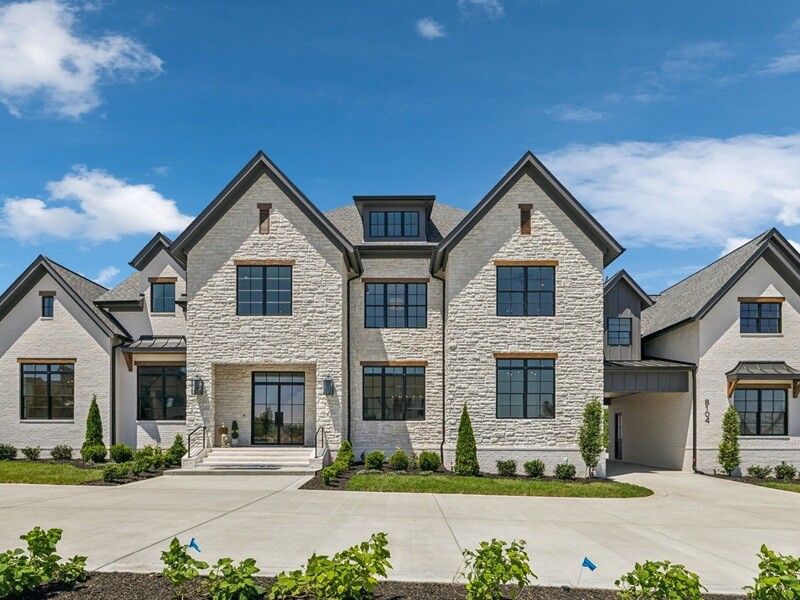
Smart and Sustainable Homes Redefine Luxury Living in Nashville’s 2026 Market

Nashville’s booming tech-driven population is transforming luxury real estate, making smart technology and eco‑friendly design the new standard. From AI‑powered adaptive living and advanced security systems to high‑efficiency construction and green incentives, the city’s top communities—Brentwood, Franklin, and Nolensville—are leading a movement toward intelligent, energy‑saving homes that offer long‑term value and modern comfort.

Florida Homeowners Face Another Year Without Insurance Relief as Lawmakers Pause Reform Efforts

Florida legislators have confirmed that no new insurance relief is coming in 2026, leaving homeowners to grapple with rising premiums and shrinking options. While Republican leaders argue that past reforms simply need more time to stabilize the market, Democrats are pushing for immediate action as families across the state feel the financial strain. With insurance changes off the table, lawmakers are shifting their focus to property tax relief—creating important ripple effects for real estate, mortgage, and insurance professionals watching the market closely.

The 2026 Investor Hotspots: Dallas Dominates, but the Southeast Surges Ahead

A new CBRE survey reveals that 2026 is shaping up to be a bullish year for commercial real estate, with most investors planning to expand their portfolios. Dallas secures the top spot for the fifth year in a row, but Southeast metros like Atlanta, Miami, Tampa, and Charlotte are rapidly gaining ground thanks to population growth, strong job creation, and resilient demand in sectors like tech, logistics, and healthcare.

WSU Launches Carson Pro, Expanding the Future of Lifelong Professional Learning

Washington State University’s Carson College of Business has introduced Carson Pro, a flexible online platform offering non‑credit certificates in finance, management, marketing, accounting, and specialty fields like the business of aging and wine business management. Designed for working professionals seeking practical, career-ready skills or a complete career reset, the program reflects a nationwide shift toward continuous learning as industries—from real estate to finance—evolve at a rapid pace.