In the world of financial planning, the Certified Financial Planner (CFP) designation stands as a beacon of expertise and trust. This prestigious certification, awarded by the Certified Financial Planner Board of Standards, is a testament to a professional’s dedication to providing comprehensive financial advice and planning services.
A CFP serves as a personal financial coach, guiding individuals through the complexities of wealth management, tax planning, insurance, and more. To earn this certification, candidates must undergo a rigorous process, including a demanding examination that tests their knowledge across various financial domains.
The role of a CFP is underpinned by a strong fiduciary duty, ensuring that client interests are always prioritized. This duty is not just a promise but a legal obligation, setting CFPs apart from other financial professionals, such as stockbrokers.
The Path to Becoming a CFP
Achieving the CFP designation requires meeting stringent criteria in education, experience, and ethics. Candidates must hold a bachelor’s degree and complete specific coursework in financial planning, covering areas like financial planning principles and retirement planning.
Real-world experience is crucial, with candidates needing at least three years of professional experience in the industry. This hands-on experience ensures that CFPs are well-equipped to handle the diverse needs of their clients.
CFP vs. CFA
While both CFPs and Chartered Financial Analysts (CFAs) hold esteemed credentials, their roles differ significantly. CFPs typically focus on individual clients, providing personal financial planning and advice. In contrast, CFAs often work within investment management firms, analyzing company growth and financial health.
The journey to becoming a CFP is challenging but rewarding, offering professionals the opportunity to make a significant impact on their clients’ financial well-being. For those seeking expert financial guidance, a CFP provides a level of trust and competence that is unmatched in the industry.
“`
More Articles
Getting licensed or staying ahead in your career can be a journey—but it doesn’t have to be overwhelming. Grab your favorite coffee or tea, take a moment to relax, and browse through our articles. Whether you’re just starting out or renewing your expertise, we’ve got tips, insights, and advice to keep you moving forward. Here’s to your success—one sip and one step at a time!
The Association of American Medical Colleges (AAMC) reports that while breast cancer mortality has decreased, Black women still face a 40% higher death rate compared to their White counterparts. This inequity is partly due to the fact that Black women are less frequently offered genetic screenings that could potentially save their lives.
In the rapidly evolving landscape of healthcare, two fields stand at the forefront of innovation: MedTech and BioTech. While both are pivotal in enhancing patient care, they operate in distinct domains.
The nanomedicine market is set to experience a remarkable expansion, projected to surge from USD 223.6 billion in 2023 to a staggering USD 634.2 billion by 2032.
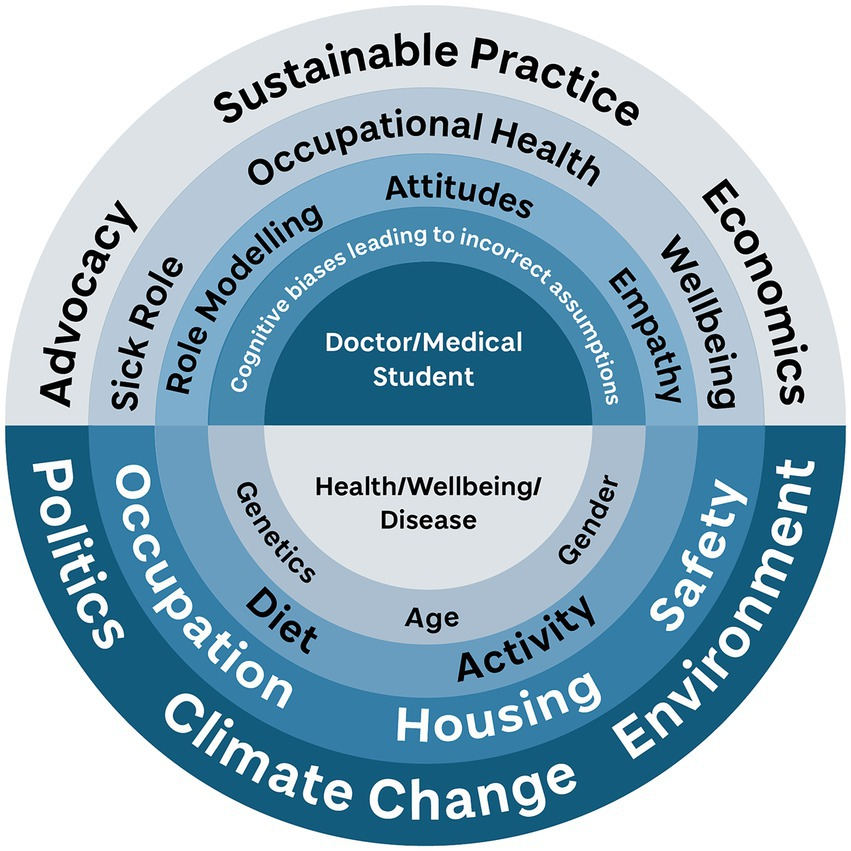
In a world where healthcare and its education are undergoing seismic shifts, the University of Dundee is pioneering a transformative approach. The institution is integrating public health into its medical curriculum, responding to the rapid technological, political, and social changes reshaping the medical landscape.

:max_bytes(150000):strip_icc():format(webp)/Cfp_final-cdafe29d5d7046c9913d6ceb1ac9c380.png "The Journey And Significance Of Becoming A Certified Financial Planner (Cfp) 2")