The Long Game: How Florida Realtors® Quietly Built a Real Estate Tech Empire
In an industry where shiny new platforms come and go faster than a trending listing on a busy Saturday, Florida Realtors® has defied the rhythm. While many real estate tech companies fade within a few years, Florida’s largest trade association has spent decades crafting a member‑focused, deeply integrated tech ecosystem that now supports more than 700,000 real estate professionals across North America.
As the organization approaches 25 years of Tech Helpline and 15 years of Form Simplicity—plus the recent launch of Sabal Sign—it’s clear that this isn’t a tale of disruption for headlines. It’s a story of patience, vision, and a relentless commitment to helping real estate professionals work better, faster, and more affordably.
“We’re not new to this space—we were early.”
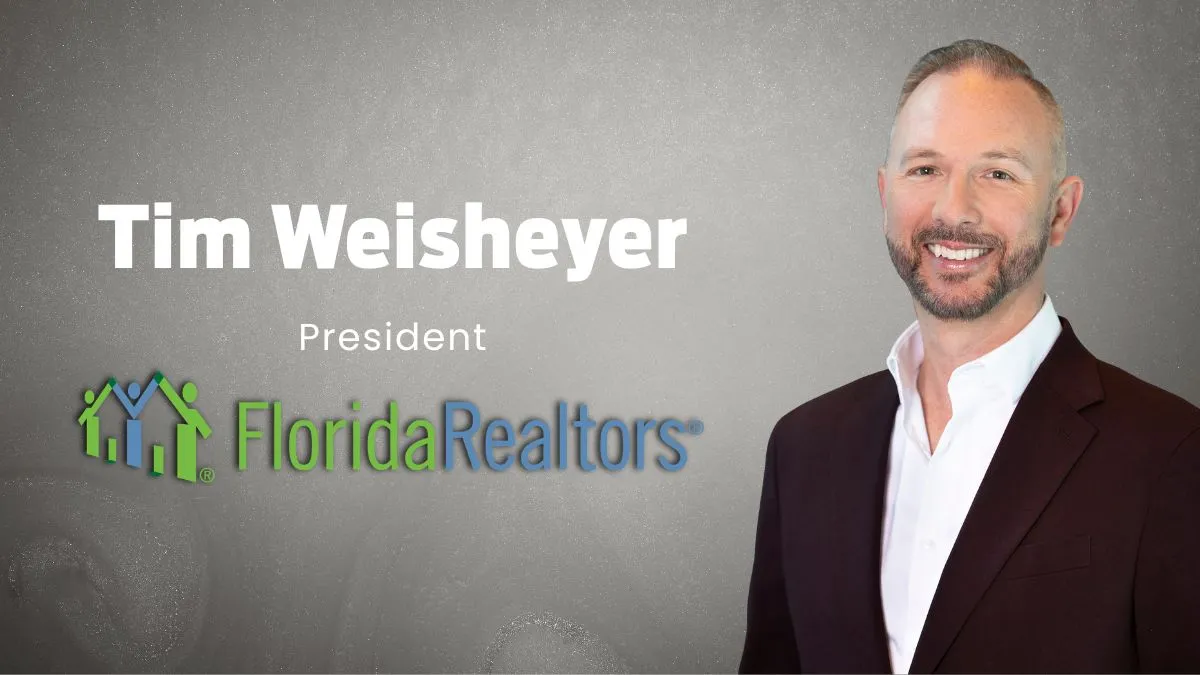
That’s how Tim Weisheyer, 2025 President of Florida Realtors® and CEO of Dream Builders Realty, describes the organization’s tech evolution. Long before proptech became the buzzword of Silicon Valley, Florida Realtors was quietly building practical tools that solved real, everyday challenges for agents and brokers.
Tech Helpline began as a simple lifeline. Form Simplicity became a trusted transaction staple. And Sabal Sign now rounds out an in-house, end‑to‑end digital workflow made exclusively for real estate.
While many modern tools chase acquisition, valuations, or rapid scale, Florida Realtors’ strategy remains refreshingly simple: listen to what members need—and build exactly that.
Why Their Model Works When Others Fail
Every year, new real estate tech vendors rise and vanish. Companies consolidate, pivot, disappear, or prioritize profits over the professionals they claim to serve. Florida Realtors stands firm because its mission isn’t revenue—it’s members first.
With over 200,000 members in Florida alone, the association holds something most startups lack: trust, scale, and stability. Every platform is created with affordability, long‑term value, and ease of use in mind.
This is why Form Simplicity remains fully included for members, with only a modest upgrade for advanced features. It’s why Sabal Sign can evolve rapidly without investor pressure. And it’s why thousands of small‑business brokers no longer spend hours comparing tools—their essentials are already built in.
For Realtors®, every hour spent evaluating tech is an hour away from clients. Florida Realtors solves that problem for the entire industry—so professionals can focus on relationships and closings.
A Future Built on Innovation and Independence
With the arrival of the 2025 Innovation Fund, Florida Realtors doubled down on leading—not following—industry tech innovation. This fund allows the organization to acquire, build, or invest in new tools that benefit members directly while keeping dues low.
Outside investors would love to buy into these platforms. Florida Realtors refuses—because independence keeps the focus on stability and member-driven progress, not market hype.
What’s Next for the Ecosystem?
The goal ahead is crystal clear: expand its end‑to‑end transaction framework, integrate more tools into Form Simplicity, and deliver a seamless, transparent experience for both consumers and professionals. Multiple new technologies are under review—and some may become future industry essentials.
And if a tool doesn’t exist yet? They’ll build it.
Why This Matters for Today’s Real Estate Pros
For both seasoned agents and new licensees—along with future professionals preparing for their careers—the message is simple: your success is being engineered behind the scenes. Tools like Form Simplicity and Sabal Sign aren’t just conveniences; they’re the digital infrastructure that keeps modern transactions running smoothly.
And for those entering the field or expanding their credentials, understanding this ecosystem is essential. At Cameron Academy, we prepare future professionals to excel in this innovative, fast‑advancing environment. Florida’s real estate market rewards those who stay educated, adaptable, and connected.
Getting licensed or staying ahead in your career can be a journey—but it doesn’t have to be overwhelming. Grab your favorite coffee or tea, take a moment to relax, and browse through our articles. Whether you’re just starting out or renewing your expertise, we’ve got tips, insights, and advice to keep you moving forward. Here’s to your success—one sip and one step at a time!
Florida families are feeling the squeeze as everyday costs, insurance premiums, and homeownership barriers continue to climb. House District 102 candidate Jayden D’Onofrio is calling for a broader, more unified affordability strategy—one that tackles the state’s insurance crisis, supports first‑time homebuyers, and restores real competition in the market. His message centers on transparency, practical solutions, and keeping Florida livable for the professionals, workers, and families who power its economy.
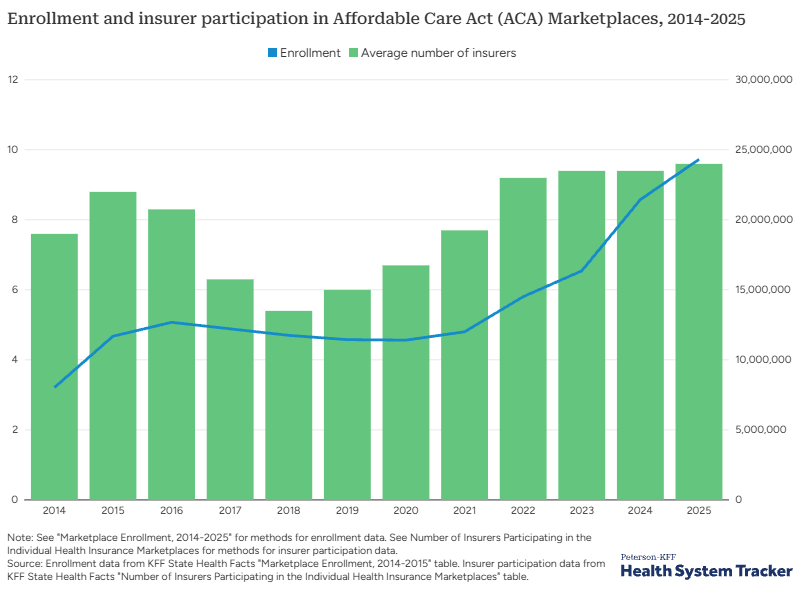
A decade of dramatic change is reshaping America’s health insurance markets. Employer group plans are becoming increasingly dominated by a few powerful insurers, while the ACA individual marketplace is experiencing record‑breaking competition and enrollment. Self‑funded plans are surging, small‑group premiums are driving employers to new coverage models, and major policy shifts in 2025 could redefine affordability for millions. This data‑driven Peterson‑KFF analysis breaks down the trends every insurance, finance, and business professional needs to understand as the industry enters a transformative new era.
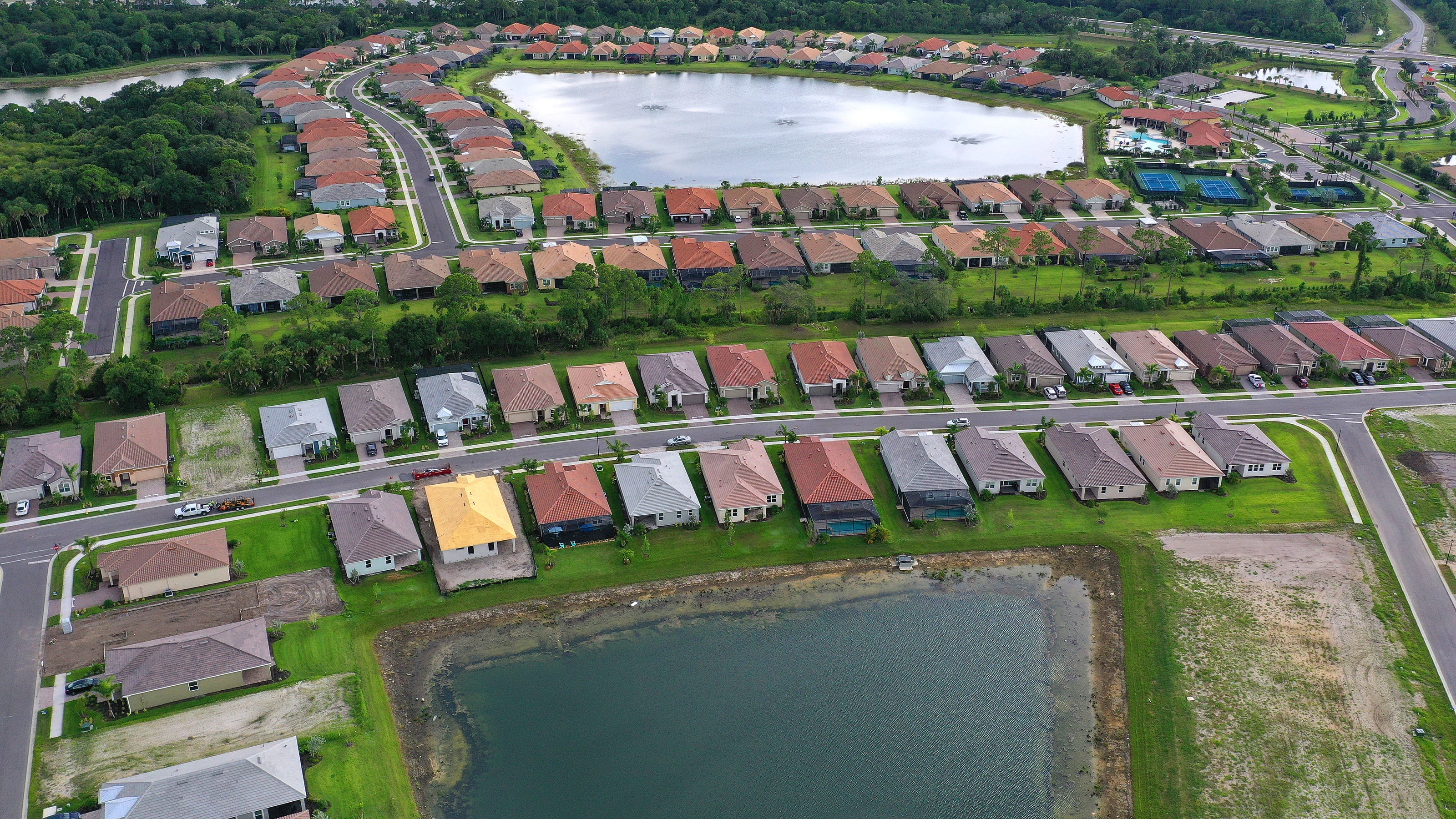
Sarasota County is inching closer to approving Winchester Ranch, a massive 8,999‑home community planned for more than 3,100 acres in North Port. With a 7‑1 vote from the Planning Commission and a final decision expected in early 2026, the project could become one of Southwest Florida’s largest developments in decades—bringing new housing, commercial space, and industry while raising fresh questions about growth, the environment, and the region’s rapidly evolving real estate market.
Lument Finance Trust has closed a major $663.8 million commercial real estate CLO, marking one of the standout CRE finance deals of 2025. The transaction, LMNT 2025-FL3, features a strong reinvestment period, non‑recourse and non‑mark‑to‑market financing, and a diversified pool of 32 loans tied to 49 properties nationwide. With J.P. Morgan leading the structuring and more than $585 million placed in investment‑grade securities, the deal highlights renewed stability in transitional CRE debt—making it a development real estate and finance professionals will want to watch closely.
Walmart has partnered with Alquist 3D to roll out the nation’s first large‑scale wave of 3D‑printed commercial buildings, signaling a major shift in how future retail and industrial spaces will be constructed. After completing an 8,000‑square‑foot 3D‑printed expansion in Tennessee—the largest of its kind—the company is moving forward with over a dozen new projects nationwide, accelerating a tech‑driven transformation in commercial real estate.
Citizens Property Insurance Corp. is recommending statewide rate reductions for 2026—the first proposed decrease in more than a decade. Most Citizens policyholders could see an average 11.5% drop, reflecting recent insurance‑market reforms that have stabilized Florida’s turbulent property sector. With hundreds of thousands of policies moving back to private insurers and state‑backed Citizens shrinking to record‑low enrollment, real estate and insurance professionals should prepare for how lower premiums may influence affordability, buyer confidence, and market activity heading into 2026.