The Long Game: How Florida Realtors® Quietly Built a Real Estate Tech Empire
In an industry where shiny new platforms come and go faster than a trending listing on a busy Saturday, Florida Realtors® has defied the rhythm. While many real estate tech companies fade within a few years, Florida’s largest trade association has spent decades crafting a member‑focused, deeply integrated tech ecosystem that now supports more than 700,000 real estate professionals across North America.
As the organization approaches 25 years of Tech Helpline and 15 years of Form Simplicity—plus the recent launch of Sabal Sign—it’s clear that this isn’t a tale of disruption for headlines. It’s a story of patience, vision, and a relentless commitment to helping real estate professionals work better, faster, and more affordably.
“We’re not new to this space—we were early.”
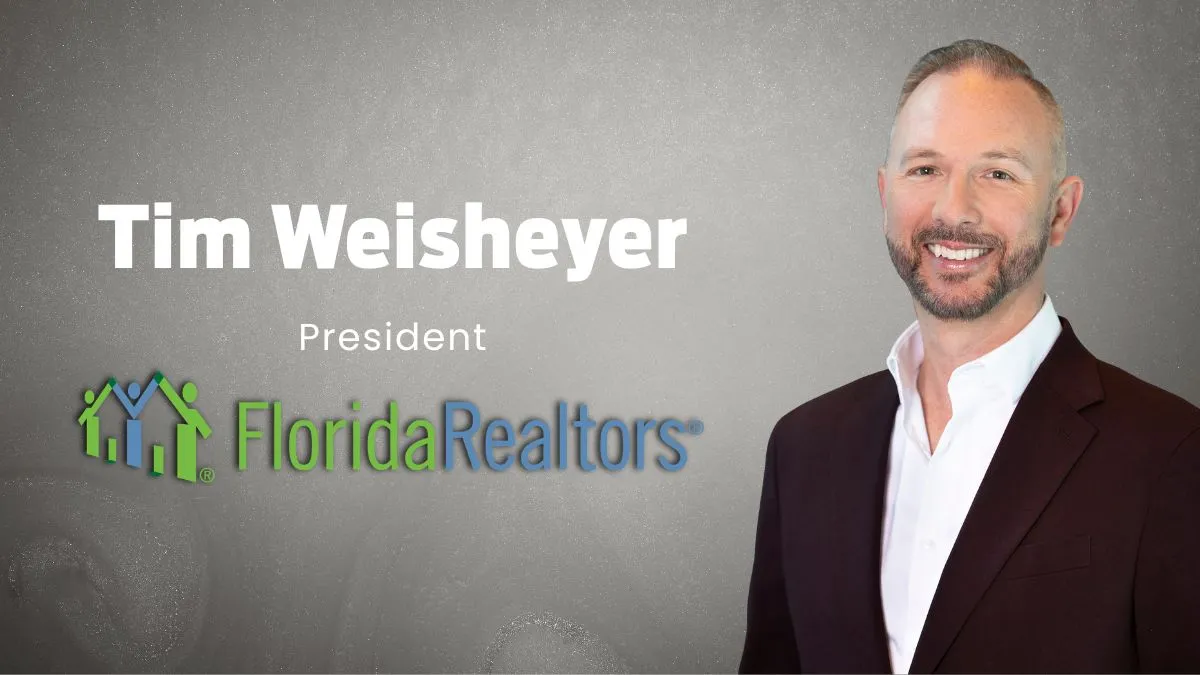
That’s how Tim Weisheyer, 2025 President of Florida Realtors® and CEO of Dream Builders Realty, describes the organization’s tech evolution. Long before proptech became the buzzword of Silicon Valley, Florida Realtors was quietly building practical tools that solved real, everyday challenges for agents and brokers.
Tech Helpline began as a simple lifeline. Form Simplicity became a trusted transaction staple. And Sabal Sign now rounds out an in-house, end‑to‑end digital workflow made exclusively for real estate.
While many modern tools chase acquisition, valuations, or rapid scale, Florida Realtors’ strategy remains refreshingly simple: listen to what members need—and build exactly that.
Why Their Model Works When Others Fail
Every year, new real estate tech vendors rise and vanish. Companies consolidate, pivot, disappear, or prioritize profits over the professionals they claim to serve. Florida Realtors stands firm because its mission isn’t revenue—it’s members first.
With over 200,000 members in Florida alone, the association holds something most startups lack: trust, scale, and stability. Every platform is created with affordability, long‑term value, and ease of use in mind.
This is why Form Simplicity remains fully included for members, with only a modest upgrade for advanced features. It’s why Sabal Sign can evolve rapidly without investor pressure. And it’s why thousands of small‑business brokers no longer spend hours comparing tools—their essentials are already built in.
For Realtors®, every hour spent evaluating tech is an hour away from clients. Florida Realtors solves that problem for the entire industry—so professionals can focus on relationships and closings.
A Future Built on Innovation and Independence
With the arrival of the 2025 Innovation Fund, Florida Realtors doubled down on leading—not following—industry tech innovation. This fund allows the organization to acquire, build, or invest in new tools that benefit members directly while keeping dues low.
Outside investors would love to buy into these platforms. Florida Realtors refuses—because independence keeps the focus on stability and member-driven progress, not market hype.
What’s Next for the Ecosystem?
The goal ahead is crystal clear: expand its end‑to‑end transaction framework, integrate more tools into Form Simplicity, and deliver a seamless, transparent experience for both consumers and professionals. Multiple new technologies are under review—and some may become future industry essentials.
And if a tool doesn’t exist yet? They’ll build it.
Why This Matters for Today’s Real Estate Pros
For both seasoned agents and new licensees—along with future professionals preparing for their careers—the message is simple: your success is being engineered behind the scenes. Tools like Form Simplicity and Sabal Sign aren’t just conveniences; they’re the digital infrastructure that keeps modern transactions running smoothly.
And for those entering the field or expanding their credentials, understanding this ecosystem is essential. At Cameron Academy, we prepare future professionals to excel in this innovative, fast‑advancing environment. Florida’s real estate market rewards those who stay educated, adaptable, and connected.
Getting licensed or staying ahead in your career can be a journey—but it doesn’t have to be overwhelming. Grab your favorite coffee or tea, take a moment to relax, and browse through our articles. Whether you’re just starting out or renewing your expertise, we’ve got tips, insights, and advice to keep you moving forward. Here’s to your success—one sip and one step at a time!
The latest MBA survey shows overall mortgage applications dipping 1.4% during the holiday week, even as purchase activity rose on a seasonally adjusted basis. Refinances cooled despite lower rates, which averaged 6.32% for a 30‑year fixed. Rising ARMs and shifting buyer behavior highlight a market still trying to stabilize amid softening economic indicators.
October delivered the first year‑over‑year slowdown in commercial real estate deals in nearly two years, signaling a growing disconnect between buyers and sellers as elevated rates and policy uncertainty reshape pricing expectations. While multifamily cooled and office assets traded at steep discounts, hotels and adaptive‑reuse projects stood out as rare bright spots. For professionals across real estate, mortgage, and finance, the shifting landscape underscores the need for sharper analysis and continued education heading into 2026.
The US workers’ compensation market is bracing for a pivotal year in 2026 as medical inflation, rising claim complexity, and tightening state regulations push costs higher for insurers and employers. With cumulative trauma injuries increasing and states expanding presumption laws—especially for first responders and healthcare workers—underwriting strategies are being forced to evolve. At the same time, technology like predictive analytics and workplace wearables is reshaping loss prevention, while more organizations turn to captives and hybrid programs to manage volatility.
Over the past 25 years, Florida Realtors has transformed from a simple support desk into one of the most influential tech ecosystems in real estate. Through member‑driven tools like Tech Helpline, Form Simplicity and the new Sabal Sign platform, the association has built a stable, fully integrated system used by agents across the U.S. and Canada. Free from outside investors and focused entirely on member needs, Florida Realtors has quietly become a tech powerhouse—proving that long-term vision, not venture capital, is what truly drives innovation in the industry.
Massachusetts is poised for a major shift in home‑sale transparency as Gov. Maura Healey pushes for mandatory flood disclosures — a change that could impact buyers, sellers, and real estate professionals statewide. With worsening climate conditions and growing flood damage in communities like Winthrop and Salem, the proposal aims to ensure buyers understand a property’s true risk before they commit. The move has wide support from insurers and municipalities, while the real estate industry remains split over its potential impact on the state’s long‑standing “buyer beware” culture.
Florida’s long‑troubled property insurance market is finally showing early signs of recovery. Thanks to recent legislative reforms that reduced litigation and attracted new insurers, some homeowners are even seeing their premiums drop. These improvements are boosting consumer confidence and creating new opportunities for real estate, mortgage, and insurance professionals across the state.