On May 18, 2025, the House Budget Committee gave its nod to a significant piece of legislation known as “The One, Big, Beautiful Bill.” This bill, poised for revision by the House Rules Committee, is gearing up for a vote on the House floor. It represents a sweeping continuation and expansion of the 2017 Tax Cuts and Jobs Act, introducing a myriad of new provisions aimed at reshaping the tax landscape for businesses, individuals, and tax-exempt organizations alike.


Business Provisions

The House Bill extends several key business provisions. Notably, the definition of “adjusted taxable income” under section 163(j) will be based on EBITDA from 2025 to 2028, a move that is favorable to taxpayers. The deduction for qualified business income under Section 199A is increased to 23%, and the global intangible low-taxed income (GILTI) provisions are made permanent at a 10.5% rate. Additionally, the base-erosion and anti-abuse tax (BEAT) is set to remain at 10.5% permanently.


Other notable business provisions include the reestablishment of Opportunity Zones for 2027 through 2033, with a focus on rural areas, and the limitation of amortization deductions for sports franchises to 50% of the adjusted tax basis.


Tax-Exempt Provisions

For tax-exempt organizations, the bill proposes an increased excise tax on private university endowments and private foundations. The current 1.4% excise tax on net investment income of private colleges is replaced with a tiered system, with rates reaching as high as 21% for institutions with significant endowments. Private foundations face a similar tiered excise tax system based on asset size.


Individual Provisions

Individuals will see the maximum ordinary income tax rate of 37% made permanent. The standard deduction is increased for various filing statuses from 2025 to 2028. The bill also proposes the permanent repeal of the personal exemption and adjustments to itemized deduction limits.


Additionally, the bill introduces the concept of “MAGA” accounts, tax-exempt trust accounts for U.S. citizens under 18, with a one-time $1,000 federal credit for eligible children born between 2025 and 2028.


For a detailed breakdown of these provisions, refer to the original article on Tax Talks. This comprehensive analysis explores the implications of the bill across various sectors, providing insights into its potential impact on the economic landscape.


More Articles

Getting licensed or staying ahead in your career can be a journey—but it doesn’t have to be overwhelming. Grab your favorite coffee or tea, take a moment to relax, and browse through our articles. Whether you’re just starting out or renewing your expertise, we’ve got tips, insights, and advice to keep you moving forward. Here’s to your success—one sip and one step at a time!

The Digital Healthcare Revolution: Transforming Patient Care with Technology

The global digital health market is set to skyrocket, with projections estimating it will reach $551.09 billion by 2027. This growth is fueled by innovations that are setting new benchmarks in healthcare delivery.

By |November 28, 2024|Categories: Article, Healthcare, Technology|Tags: , |0 Comments

University of Pennsylvania Pioneers the Planetary Health Curriculum

This innovative program equips medical students with the knowledge to understand and mitigate the effects of climate change on human health.

The Deep-Learning Triple Threat Transforming Medical Imaging

AI is being hailed as a "triple threat" in radiology, impacting planning, scanning, and diagnosis. As detailed in a recent column by Kelly Londy of GE HealthCare, these intelligent imaging systems are ushering in seismic changes reminiscent of the transformative impact of computer-assisted tomography in the late 20th century.

Federal Reserve’s Interest Rate Cut: Implications for the Housing Market

In a significant move that has captured the attention of economists and homebuyers alike, the Federal Reserve recently announced a half-percentage-point cut in interest rates. This decision is poised to bring about notable changes in the housing market, though not all effects may be beneficial for prospective homeowners.

By |November 27, 2024|Categories: Article, Economics, Real Estate|Tags: , |0 Comments

Public Perceptions of AI in Healthcare: A Balancing Act Between Innovation and Ethics

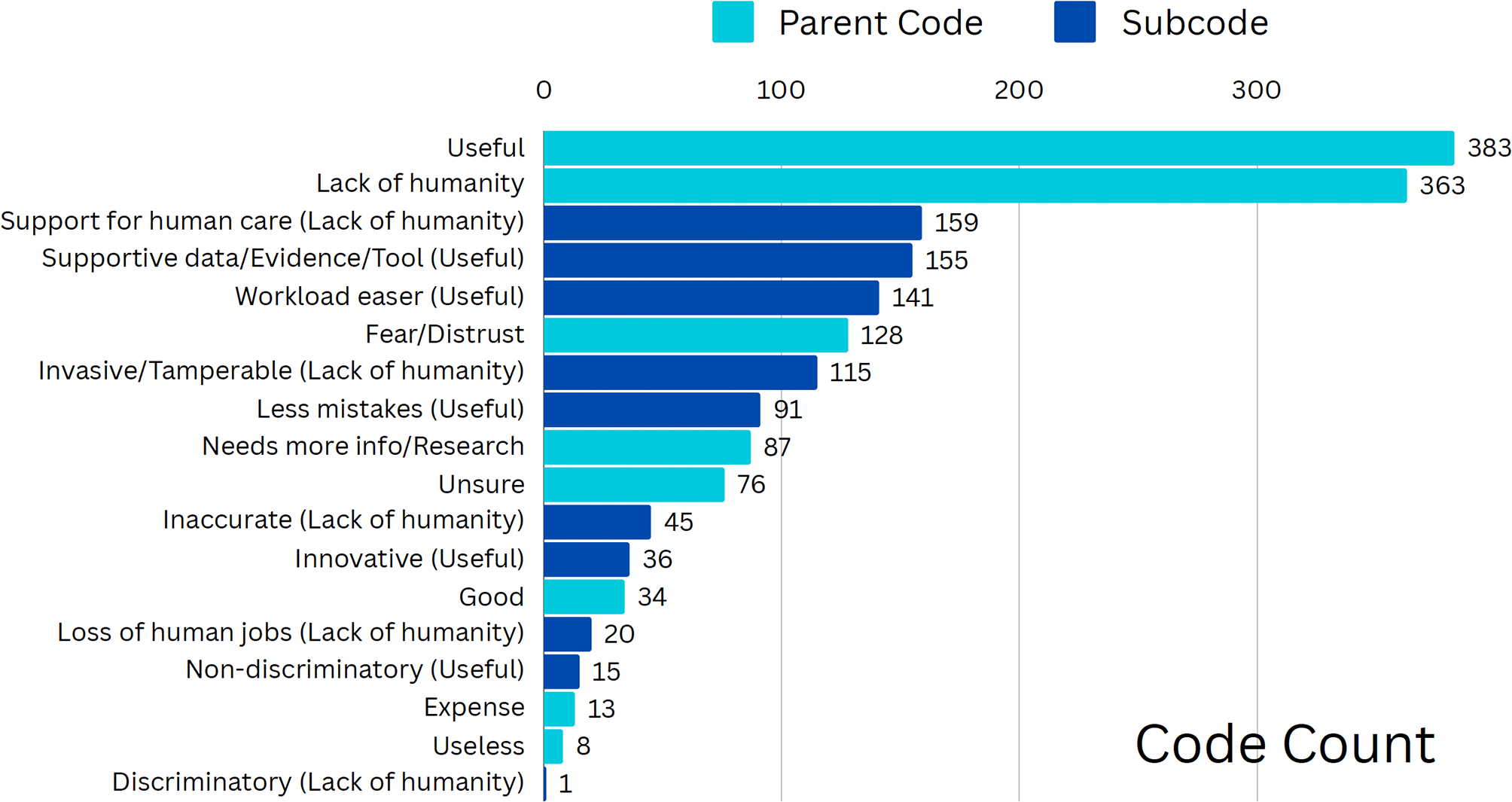
In the rapidly evolving landscape of healthcare, the integration of artificial intelligence (AI) stands as a beacon of both promise and concern. The research underscores a significant tension: while AI has the capability to enhance healthcare delivery, there is palpable unease about its impact on the traditional physician-patient relationship.

By |November 27, 2024|Categories: Article, Ethics, Healthcare|Tags: , |0 Comments

The Ethical Dilemmas of AI: A Modern Conundrum

As artificial intelligence (AI) technology advances, it presents a myriad of ethical dilemmas and challenges that demand urgent attention. The USC Annenberg School for Communication and Journalism recently explored these pressing issues, highlighting the complexities involved in AI's deployment.

By |November 27, 2024|Categories: Article, Ethics, Technology|Tags: , |0 Comments