On May 18, 2025, the House Budget Committee gave its nod to a significant piece of legislation known as “The One, Big, Beautiful Bill.” This bill, poised for revision by the House Rules Committee, is gearing up for a vote on the House floor. It represents a sweeping continuation and expansion of the 2017 Tax Cuts and Jobs Act, introducing a myriad of new provisions aimed at reshaping the tax landscape for businesses, individuals, and tax-exempt organizations alike.


Business Provisions

The House Bill extends several key business provisions. Notably, the definition of “adjusted taxable income” under section 163(j) will be based on EBITDA from 2025 to 2028, a move that is favorable to taxpayers. The deduction for qualified business income under Section 199A is increased to 23%, and the global intangible low-taxed income (GILTI) provisions are made permanent at a 10.5% rate. Additionally, the base-erosion and anti-abuse tax (BEAT) is set to remain at 10.5% permanently.


Other notable business provisions include the reestablishment of Opportunity Zones for 2027 through 2033, with a focus on rural areas, and the limitation of amortization deductions for sports franchises to 50% of the adjusted tax basis.


Tax-Exempt Provisions

For tax-exempt organizations, the bill proposes an increased excise tax on private university endowments and private foundations. The current 1.4% excise tax on net investment income of private colleges is replaced with a tiered system, with rates reaching as high as 21% for institutions with significant endowments. Private foundations face a similar tiered excise tax system based on asset size.


Individual Provisions

Individuals will see the maximum ordinary income tax rate of 37% made permanent. The standard deduction is increased for various filing statuses from 2025 to 2028. The bill also proposes the permanent repeal of the personal exemption and adjustments to itemized deduction limits.


Additionally, the bill introduces the concept of “MAGA” accounts, tax-exempt trust accounts for U.S. citizens under 18, with a one-time $1,000 federal credit for eligible children born between 2025 and 2028.


For a detailed breakdown of these provisions, refer to the original article on Tax Talks. This comprehensive analysis explores the implications of the bill across various sectors, providing insights into its potential impact on the economic landscape.


More Articles

Getting licensed or staying ahead in your career can be a journey—but it doesn’t have to be overwhelming. Grab your favorite coffee or tea, take a moment to relax, and browse through our articles. Whether you’re just starting out or renewing your expertise, we’ve got tips, insights, and advice to keep you moving forward. Here’s to your success—one sip and one step at a time!

The Impact of Remote Work on Real Estate Investment in India

Remote work is dramatically reshaping real estate trends in India. By understanding and adapting to these shifts, investors can make savvy decisions, aligning their strategies with this evolving landscape and capitalizing on the burgeoning opportunities that remote working presents.

By |November 23, 2024|Categories: Article, Real Estate, Remote Work|Tags: , |0 Comments

Wearable Tech: A New Frontier in Heart Failure Management

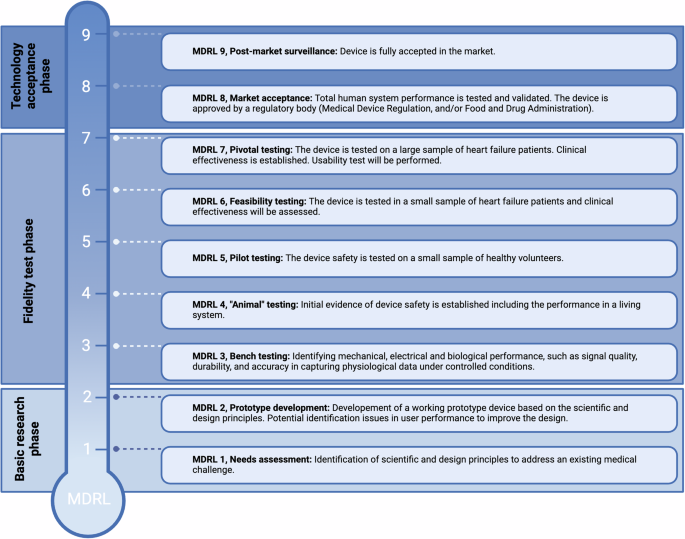
Wearable technologies are emerging as a beacon of hope for heart failure (HF) management, promising a future where patient care is not just reactive but proactive. As reported in a recent Nature article, these devices are poised to transform how we monitor and manage HF patients.

Transformative Potential of EV Infrastructure: A Collaborative Approach

In a landmark event in April 2024, the State and Local Electric Vehicle Workforce Collaborative convened in Washington, D.C., highlighting the transformative potential of federal investments in electric vehicle infrastructure, particularly in underserved communities.

Parametric Insurance: A New Frontier in Climate Risk Management

Risk managers are increasingly using parametric insurance to strengthen traditional programs and to better match capital to risk from natural disasters.

National Association of REALTORS® 2024 Survey Highlights Green Revolution in Real Estate

This "green revolution" is marked by the integration of green data fields in the Multiple Listing Service (MLS), which now features prominently in 40% of listings. This shift enhances awareness among potential buyers about eco-friendly home features, promoting healthier living environments.

By |November 22, 2024|Categories: Article, Real Estate, Sustainability|Tags: , |0 Comments

AI’s Transformative Role in Healthcare: A New Era

In the ever-evolving landscape of healthcare, Artificial Intelligence (AI) is emerging as more than just a tool—it's a transformative force reshaping the industry. Visionaries like Vinod Khosla have long predicted AI's potential to revolutionize healthcare, and that potential is now being realized.