The history of standardized testing in the United States is steeped in controversy and criticism, particularly regarding its impact on students of color. From their inception over a century ago, these tests have been criticized as instruments of systemic racism and bias. As noted by the National Education Association, standardized tests have historically marginalized students of color, particularly those from low-income families.
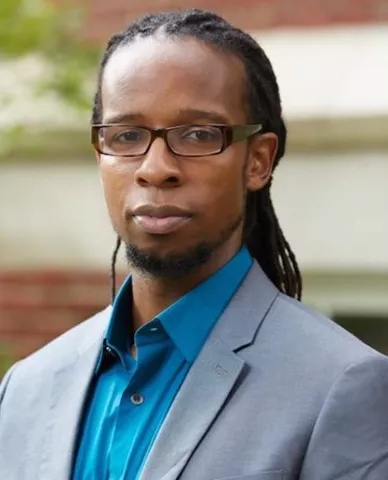
Notably, educational researchers like Ibram X. Kendi have been vocal about the inherent biases in these assessments. Kendi, a prominent figure at the Antiracist Research & Policy Center, argues that standardized tests have been used as tools to degrade Black and Brown minds, excluding them from prestigious educational opportunities.
Historical Context
The origins of these tests can be traced back to the early 20th century, when figures like psychologist and eugenicist Carl Brigham played pivotal roles in their development. Brigham, who was instrumental in the creation of the SAT, believed in the superiority of certain races, a belief that influenced the design and implementation of these tests.
Shortly after the publication of “A Study of American Intelligence” in 1923, the College Board commissioned Carl Brigham to lead development of the SAT.
As the U.S. absorbed millions of immigrants, standardized tests were used to segregate and categorize students, often to their detriment. These biases have had lasting effects, contributing to educational disparities that persist today.
Modern Implications
Today, there is a growing movement to resist the overuse and misuse of standardized testing. Critics argue that these tests fail to accurately measure student learning and often exacerbate educational inequalities. Instead, there is a push for more authentic assessment methods that reflect a broader range of student skills and learning.
“The tests have failed time and again to achieve their intended purposes: measuring intelligence and predicting future academic and professional success. The tests, not the black test-takers, have been underachieving.” – Ibram X. Kendi
Efforts to reform these assessment systems are gaining traction, with educators and civil rights organizations advocating for changes that do not perpetuate racial and economic inequalities. As the National Education Association emphasizes, the focus should be on promoting assessments that support the academic, social, and emotional needs of students.
Getting licensed or staying ahead in your career can be a journey—but it doesn’t have to be overwhelming. Grab your favorite coffee or tea, take a moment to relax, and browse through our articles. Whether you’re just starting out or renewing your expertise, we’ve got tips, insights, and advice to keep you moving forward. Here’s to your success—one sip and one step at a time!
Imagine a morning where the commute is just a few steps from your bedroom to your home office. This is the reality for many in today's post-pandemic world, where remote work has become a staple of the modern workforce.
CRISPR technology has become the frontrunner in genome editing, surpassing earlier methods like zinc finger nucleases and transcription activator-like effector nucleases. The recent FDA approval of the CRISPR-Cas9 drug, exa-cel, marks a significant milestone particularly for treating sickle cell disease and transfusion-dependent beta thalassemia.
In recent years, artificial intelligence has emerged as a revolutionary tool in the field of oncology. AI's integration into healthcare transcends buzzwords, transforming cancer diagnosis, treatment personalization, and drug discovery.
The rapid advancements in artificial intelligence (AI) are transforming the landscape of radiology, promising to enhance diagnostic accuracy and support personalized medicine. However, as this technology becomes more integral to medical imaging, it brings with it a host of ethical and societal considerations that cannot be ignored.
AI's promise in healthcare is undeniable, with its ability to uncover hidden disease patterns and predict illnesses. However, the reliance on historical data can exacerbate existing biases, particularly affecting marginalized communities such as the LGBTQIA+ and certain ethnic and racial groups.
Telemedicine stands out as a transformative force, offering a lifeline to patients and providers alike. As we move beyond the pandemic, the challenge is to integrate this technology without escalating costs or overshadowing the indispensable role of in-person consultations.