The history of standardized testing in the United States is steeped in controversy and criticism, particularly regarding its impact on students of color. From their inception over a century ago, these tests have been criticized as instruments of systemic racism and bias. As noted by the National Education Association, standardized tests have historically marginalized students of color, particularly those from low-income families.
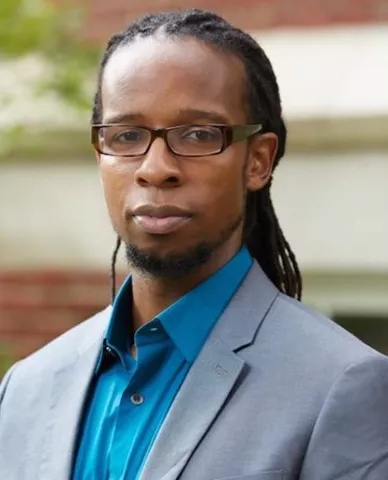
Notably, educational researchers like Ibram X. Kendi have been vocal about the inherent biases in these assessments. Kendi, a prominent figure at the Antiracist Research & Policy Center, argues that standardized tests have been used as tools to degrade Black and Brown minds, excluding them from prestigious educational opportunities.
Historical Context
The origins of these tests can be traced back to the early 20th century, when figures like psychologist and eugenicist Carl Brigham played pivotal roles in their development. Brigham, who was instrumental in the creation of the SAT, believed in the superiority of certain races, a belief that influenced the design and implementation of these tests.
Shortly after the publication of “A Study of American Intelligence” in 1923, the College Board commissioned Carl Brigham to lead development of the SAT.
As the U.S. absorbed millions of immigrants, standardized tests were used to segregate and categorize students, often to their detriment. These biases have had lasting effects, contributing to educational disparities that persist today.
Modern Implications
Today, there is a growing movement to resist the overuse and misuse of standardized testing. Critics argue that these tests fail to accurately measure student learning and often exacerbate educational inequalities. Instead, there is a push for more authentic assessment methods that reflect a broader range of student skills and learning.
“The tests have failed time and again to achieve their intended purposes: measuring intelligence and predicting future academic and professional success. The tests, not the black test-takers, have been underachieving.” – Ibram X. Kendi
Efforts to reform these assessment systems are gaining traction, with educators and civil rights organizations advocating for changes that do not perpetuate racial and economic inequalities. As the National Education Association emphasizes, the focus should be on promoting assessments that support the academic, social, and emotional needs of students.
Getting licensed or staying ahead in your career can be a journey—but it doesn’t have to be overwhelming. Grab your favorite coffee or tea, take a moment to relax, and browse through our articles. Whether you’re just starting out or renewing your expertise, we’ve got tips, insights, and advice to keep you moving forward. Here’s to your success—one sip and one step at a time!
A new CNBC Fed Survey reveals that economists expect just two additional interest rate cuts in 2026 and none in 2027, even if President Donald Trump appoints a more dovish Federal Reserve chair. Strong economic growth, stable inflation, and reduced recession fears are keeping rate‑cut expectations limited, signaling a more stable long‑term environment for real estate, mortgage, and financial professionals.
A nationwide insurance crisis is accelerating as climate‑driven disasters push premiums higher, force insurers out of multiple states, and reshape real estate and mortgage markets. Once limited to Florida and California, the instability now threatens 15 states where losses, extreme weather, and insurer withdrawals are creating mounting risks for homeowners and industry professionals alike.
Commercial real estate is entering 2026 with a cautious but strategic shift. Companies are ditching oversized offices in favor of smaller, higher‑quality spaces packed with amenities that attract today’s workforce. Downtown markets like Portland remain steady, while suburban vacancies rise and landlords get creative with incentives. Industrial real estate is cooling after years of explosive growth, and developers are hesitating—though multifamily and hotel projects continue to push forward. Overall, the theme of the year is patience, as businesses wait for clearer signals on interest rates, construction costs, and long‑term workplace trends.
A new study from leading urban scholars reveals that zoning laws and construction slowdowns aren’t the true cause of America’s housing crisis. Even with massive building booms, rents would barely drop for decades. The real culprit? Soaring economic inequality. Until the widening wealth gap is addressed, policies like upzoning and deregulation won’t make housing affordable for working Americans—and may even push prices higher.
Cambio, a fast‑growing AI proptech company, has secured an $18 million Series A at a $100 million valuation, aiming to overhaul how commercial real estate firms process documents and make investment decisions. By converting messy PDFs, spreadsheets, and audit files into investor‑ready insights in minutes, the platform is rapidly expanding—now active in 35 countries and managing data for over 2 billion square feet of assets.
Florida’s insurance market is finally showing signs of real recovery heading into 2026. Industry leaders say recent legal reforms have sharply reduced lawsuits, allowing insurers to stabilize rates — and even introduce reductions for the first time in years. With new companies entering the state and solvency at its strongest level in more than a decade, real estate and mortgage professionals may benefit from improved buyer confidence and smoother closings as insurance becomes more predictable again.