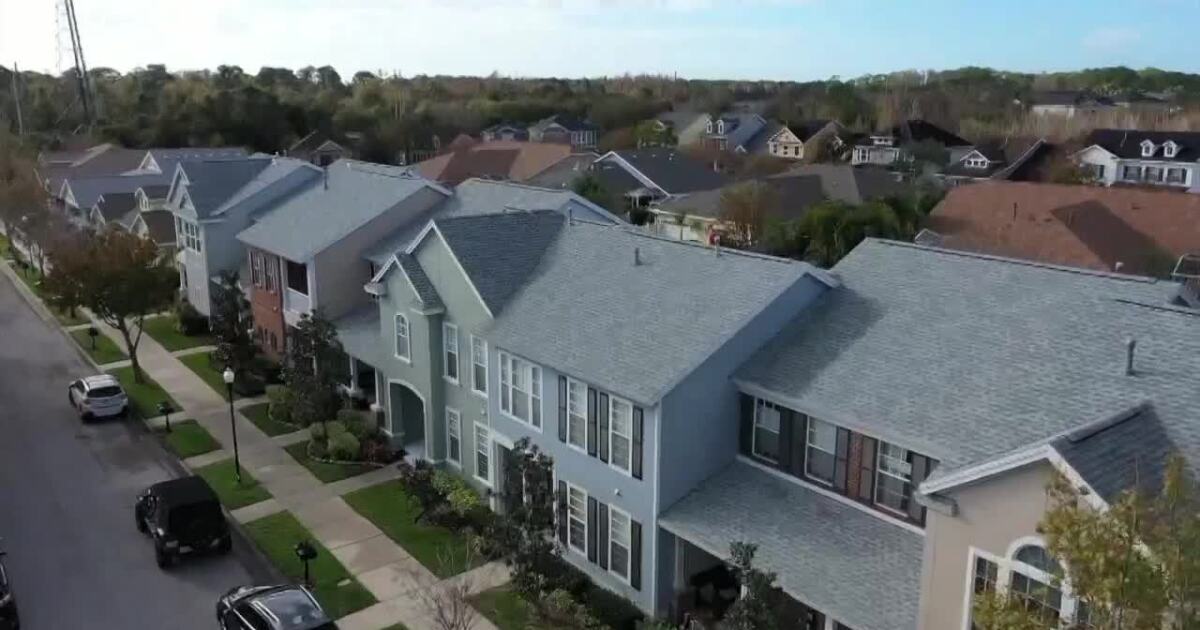
As families consider relocating, the quality of local public schools often becomes a pivotal factor. The allure of modern athletic facilities, spacious classrooms, and cutting-edge technology in science and computer labs can be irresistible for parents who equate these attributes with a superior education. But, as a recent study from Yale Insights explores, does the financial investment in school infrastructure genuinely enhance educational outcomes?
Barbara Biasi, an Assistant Professor of Economics at Yale SOM, alongside her colleagues Julien Lafortune and David Schönholzer, delved into this question. Their research, which spans data from across the United States, seeks to unravel the complex relationship between capital spending on schools and its impact on educational quality and real estate prices. For those interested in a deeper dive, the full article can be found here.
The study’s findings indicate that while capital projects generally increase both test scores and property values, the benefits are predominantly seen in districts with disadvantaged students. Interestingly, the type of capital project plays a crucial role in determining its impact. Projects focused on infrastructure improvements, such as HVAC systems, significantly enhance test scores but do not necessarily raise property values. Conversely, investments in visible amenities like athletic facilities tend to boost property prices.
Biasi’s research highlights a critical consideration for voters who decide on capital proposals. She emphasizes the importance of understanding whether these investments will truly benefit students or merely serve to increase local property values. As she notes, “Public schools are supposed to be free, but really people are paying for the best public school they can afford.”
Implications for Policy and Community
This study raises essential questions about the role of voters in making decisions that impact educational infrastructure. With the majority of voters not being parents, there’s a risk that the benefits of certain projects may not be fully appreciated or prioritized. Biasi hopes that this research will encourage a more informed discussion around school funding and its implications for both students and the broader community.
Looking ahead, Biasi and her team plan to explore how different funding rules across states affect the approval and impact of capital projects. This next phase aims to provide further insights into how modifications in funding rules could potentially reshape the educational landscape.
For more insights from Barbara Biasi and her team, visit her profile on Yale Insights.
More Articles
Getting licensed or staying ahead in your career can be a journey—but it doesn’t have to be overwhelming. Grab your favorite coffee or tea, take a moment to relax, and browse through our articles. Whether you’re just starting out or renewing your expertise, we’ve got tips, insights, and advice to keep you moving forward. Here’s to your success—one sip and one step at a time!
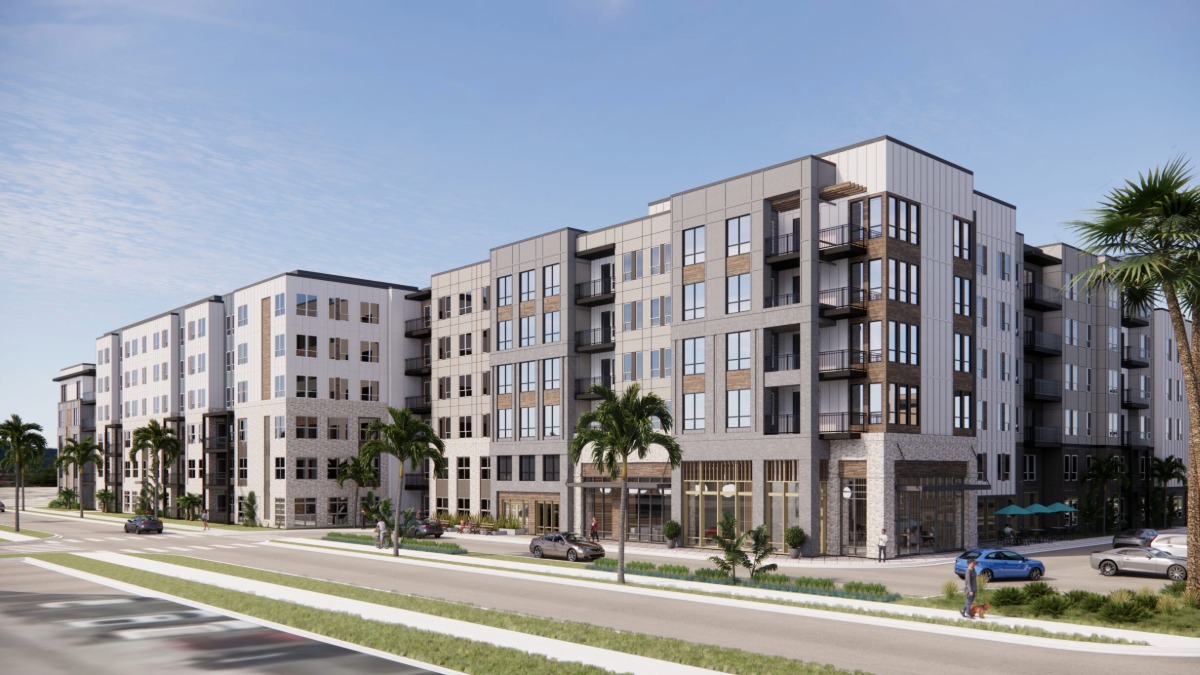
Landmark Properties has officially begun construction on The Mark Tampa, a six‑story luxury student community featuring over 800 beds, rooftop amenities, study spaces, retail, and modern unit layouts. Set to open before the 2027–2028 school year, the project signals strong investor confidence in North Tampa’s booming student housing market.
Florida’s property and auto insurance crisis is intensifying, setting the stage for a major political showdown ahead of the 2026 elections. Republicans argue recent reforms are finally stabilizing the market, while Democrats insist families are being crushed by soaring premiums and can’t wait for relief. With homeowners, condo associations, and insurers all feeling the pressure, lawmakers are preparing for one of the most consequential legislative battles in years.
Markets are betting heavily on a Federal Reserve rate cut in December, but that doesn’t guarantee lower mortgage rates. Even with an 85% chance of a cut priced in, mortgage rates move more with the 10‑year Treasury than the Fed itself — and recent history shows rates can rise even when the Fed eases. Today’s 6.43% average rate is the lowest in over a year, but still unpredictable, making financial readiness more important than trying to time the market.
Grand Junction is experiencing a powerful commercial real estate upswing, with 151 commercial units closed so far in 2025—a 36% jump from last year. Building permits are also up 23%, signaling expanding development momentum. Brokers say interest from national chains is accelerating the city’s evolution, bringing jobs, investment, and long‑term economic potential to Colorado’s Western Slope.
Nashville continues its rise as one of the nation’s most attractive real estate markets, landing the #6 spot in the Emerging Trends in Real Estate 2026 report from PwC and ULI. With strong demographic momentum, business expansion, and a development pipeline drawing national eyes, the city stands out amid shifting economic conditions. The report highlights fast‑growing sectors such as data centers, senior housing, and evolving office dynamics—offering real estate professionals valuable insight into where opportunities are emerging next.
Canada’s commercial real estate sector continues to evolve rapidly, with new data revealing major transactions, shifting investment patterns, and emerging economic signals across the country. From resilient retail spending to cooling construction and regional standouts like Montreal and the Prairies, this week’s CRE pulse—powered by Altus Group’s research team—gives real estate, mortgage, and finance professionals a sharp snapshot of the market forces to watch as 2025 winds down.