The Revolutionary Role of Digital Twins in Precision Health
In a groundbreaking exploration of healthcare innovation, digital twins are emerging as a pivotal technology in the realm of precision health. A recent systematic review published in Nature delves into the transformative potential of digital twins, highlighting their capacity to revolutionize patient outcomes through personalized health management, precision therapies, and risk prediction.
Digital twins, essentially virtual replicas of human bodies, utilize real-time data to provide dynamic and individualized healthcare solutions. This technology marks a significant departure from conventional medical practices, which often employ a one-size-fits-all approach. Instead, digital twins offer tailored recommendations and interventions, thereby enhancing the precision and efficacy of healthcare delivery.
Transformative Potential Across Healthcare Domains
The review underscores the broad applicability of digital twins across various medical fields. By integrating omics data, clinical information, and health outcomes, digital twins facilitate a more nuanced understanding of patient health. This capability is particularly beneficial in managing chronic conditions like type 2 diabetes and multiple sclerosis, where personalized treatment plans can significantly improve patient quality of life.
Moreover, the technology’s predictive capabilities enable healthcare providers to anticipate and mitigate potential health risks. For instance, digital twins can forecast disease progression and suggest preemptive interventions, thereby reducing the likelihood of severe health complications.
Challenges and Future Directions
Despite their promising potential, the widespread adoption of digital twins in healthcare is not without challenges. Data accessibility and integration across disparate health systems remain significant hurdles. The review advocates for enhanced data-sharing frameworks and the development of robust computational infrastructures to support the seamless implementation of digital twins in clinical settings.
The authors, Mei-di Shen from Peking University and Si-bing Chen and Xiang-dong Ding from Jilin University, emphasize the need for continued research and collaboration across medical and technological domains. Such efforts are crucial to unlocking the full potential of digital twins and realizing their promise in precision health.
Conclusion
As healthcare continues to evolve, digital twins stand at the forefront of this transformation, offering unprecedented opportunities for personalized and precise medical care. By bridging the gap between digital innovation and clinical practice, digital twins are poised to redefine the future of healthcare, ensuring better outcomes for patients worldwide.
More Articles
Getting licensed or staying ahead in your career can be a journey—but it doesn’t have to be overwhelming. Grab your favorite coffee or tea, take a moment to relax, and browse through our articles. Whether you’re just starting out or renewing your expertise, we’ve got tips, insights, and advice to keep you moving forward. Here’s to your success—one sip and one step at a time!
After years of soaring premiums and insurer instability, Florida’s property insurance market is finally turning a corner. Major carriers have filed 83 requests for rate decreases heading into 2026, with companies like Florida Peninsula and Patriot Select proposing cuts of 8.4% and 11.3%. Some homeowners may see relief as early as next month, signaling a long‑awaited shift toward market stability.
Fix-and-flip investing is gearing up for one of its strongest years in a decade as 2026 approaches. With cheaper capital, more accessible funding, easing interest rates, and long-awaited increases in housing inventory, investors are finding the perfect environment to launch or scale renovation-based real estate businesses. Renovation continues to outpace new construction in cost and speed, and demand for move-in-ready homes remains high, making 2026 a powerful opportunity window for both new and experienced investors.
After a short-lived period of relief in 2025, the U.S. rental market may be headed for a tighter, more expensive 2026. With construction starts dropping nearly 11% and completions plunging 42%, the surge of new apartments that helped lower rents is rapidly drying up. Rising costs, shrinking inventory, and a slowdown in new development point to a potential rental crunch that could leave renters facing heavier competition and higher prices across major markets next year.
The commercial real estate market is entering a rare reset that experts say mirrors the post‑2008 boom, creating a potential window for disciplined investors. With trillions in commercial debt coming due and property values dropping up to 40%, firms like AARE are positioning themselves to acquire assets below replacement cost—an advantage that could set the stage for significant long‑term growth.
Commercial real estate is entering a reinvention phase, with AI‑driven productivity, modernized office demand, experience‑focused retail, expanding industrial logistics, creative housing solutions, and sustainability‑centered design all accelerating nationwide. These six forces are shaping how investors, brokers, and future licensees will operate in a rapidly evolving U.S. market.
After years of economic uncertainty and cautious decision‑making, 2026 is shaping up to be the year professionals finally catch a break. AI is moving from buzzword to essential tool, capital markets are beginning to thaw, and hiring is picking up across real estate, mortgage, insurance, finance, and healthcare. With opportunity returning, many professionals are using this moment to upskill—pursuing new licenses, certifications, and cross‑industry expertise.

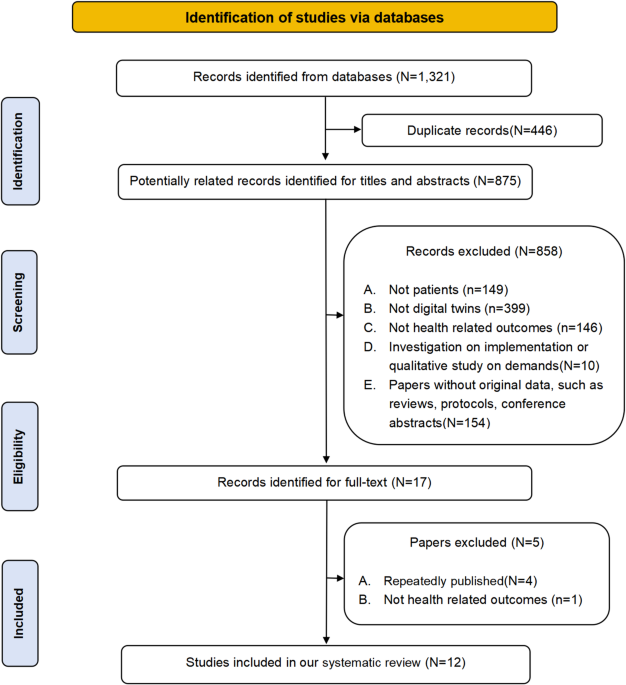 Digital twins, essentially virtual replicas of human bodies, utilize real-time data to provide dynamic and individualized healthcare solutions. This technology marks a significant departure from conventional medical practices, which often employ a one-size-fits-all approach. Instead, digital twins offer tailored recommendations and interventions, thereby enhancing the precision and efficacy of healthcare delivery.