In the ever-evolving landscape of higher education, online learning has steadily gained traction since its inception in the 1990s, emerging as a flexible and accessible option for students worldwide. As we look towards 2025, Forbes Advisor has meticulously assessed over 3,400 U.S. higher education institutions to identify the top 10 online colleges, focusing on factors such as affordability, credibility, student outcomes, and student experience.
The rise of online learning can be attributed to its ability to accommodate students who face barriers to traditional on-campus experiences. Whether due to geographical constraints, work commitments, or personal preferences, online education offers a viable alternative for many. The Forbes article highlights this trend, noting the sophistication and popularity that online learning has achieved over the years.
Among the top-ranked institutions, the University of Central Florida stands out, offering a diverse range of online bachelor’s programs. With more than 30 majors, 35 minors, and 20 undergraduate certificates, UCF provides a customizable educational experience. The university’s strong retention and graduation rates further underscore its commitment to student success.
Another notable mention is Florida State University, which boasts the second-lowest average in-state tuition on the list. Its robust online offerings, combined with a high retention rate, make it an attractive option for budget-conscious students. The university’s focus on synchronous and asynchronous coursework fosters a rich environment for peer-to-peer interaction.
CUNY Lehman College also features prominently, excelling in social and economic mobility. The college’s support for Pell Grant recipients, who graduate at rates higher than the school’s average, highlights its dedication to fostering success among lower-income students.
As online education continues to evolve, it is clear that it has become a legitimate and desirable alternative to traditional learning. The Forbes article provides a comprehensive overview of the best online colleges for 2025, emphasizing the transformation of online learning into a platform that rivals its on-campus counterparts in quality and rigor.
More Articles
Getting licensed or staying ahead in your career can be a journey—but it doesn’t have to be overwhelming. Grab your favorite coffee or tea, take a moment to relax, and browse through our articles. Whether you’re just starting out or renewing your expertise, we’ve got tips, insights, and advice to keep you moving forward. Here’s to your success—one sip and one step at a time!
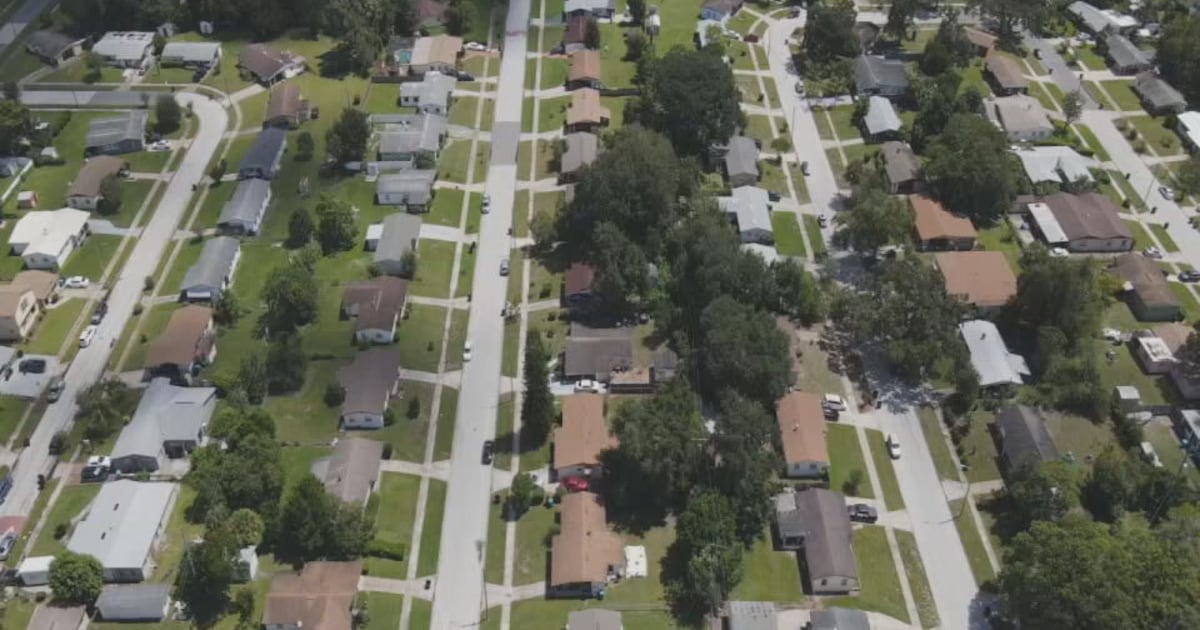
After years of soaring premiums and insurer instability, Florida’s property insurance market is finally turning a corner. Major carriers have filed 83 requests for rate decreases heading into 2026, with companies like Florida Peninsula and Patriot Select proposing cuts of 8.4% and 11.3%. Some homeowners may see relief as early as next month, signaling a long‑awaited shift toward market stability.
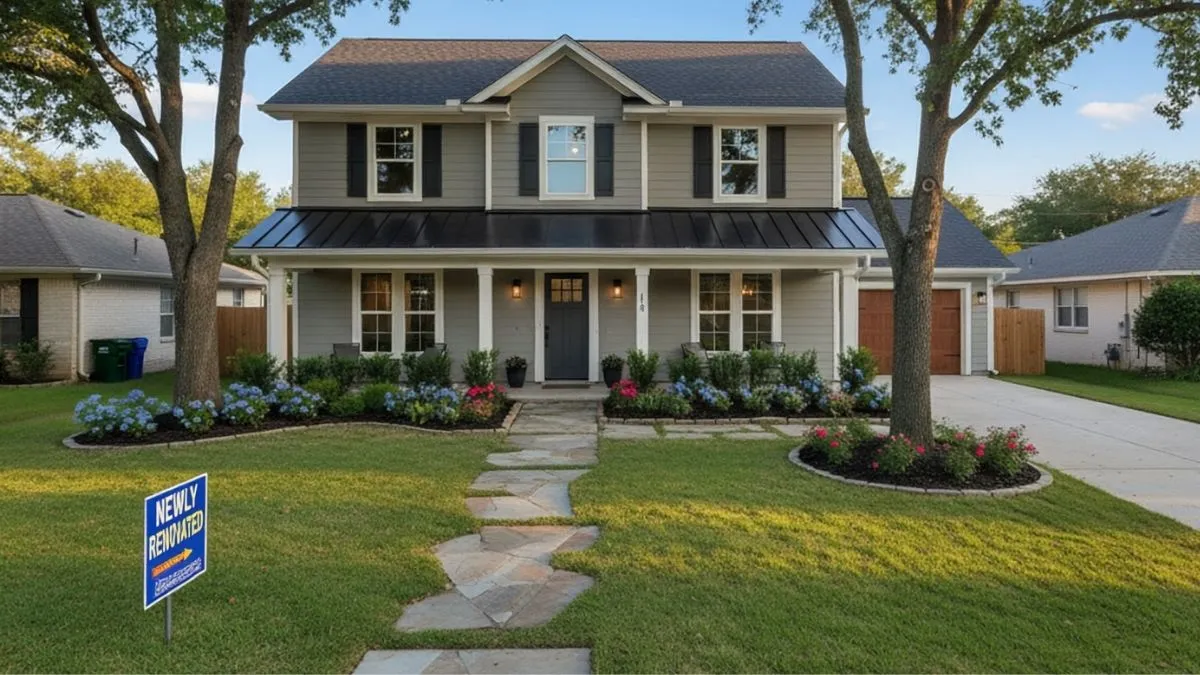
Fix-and-flip investing is gearing up for one of its strongest years in a decade as 2026 approaches. With cheaper capital, more accessible funding, easing interest rates, and long-awaited increases in housing inventory, investors are finding the perfect environment to launch or scale renovation-based real estate businesses. Renovation continues to outpace new construction in cost and speed, and demand for move-in-ready homes remains high, making 2026 a powerful opportunity window for both new and experienced investors.
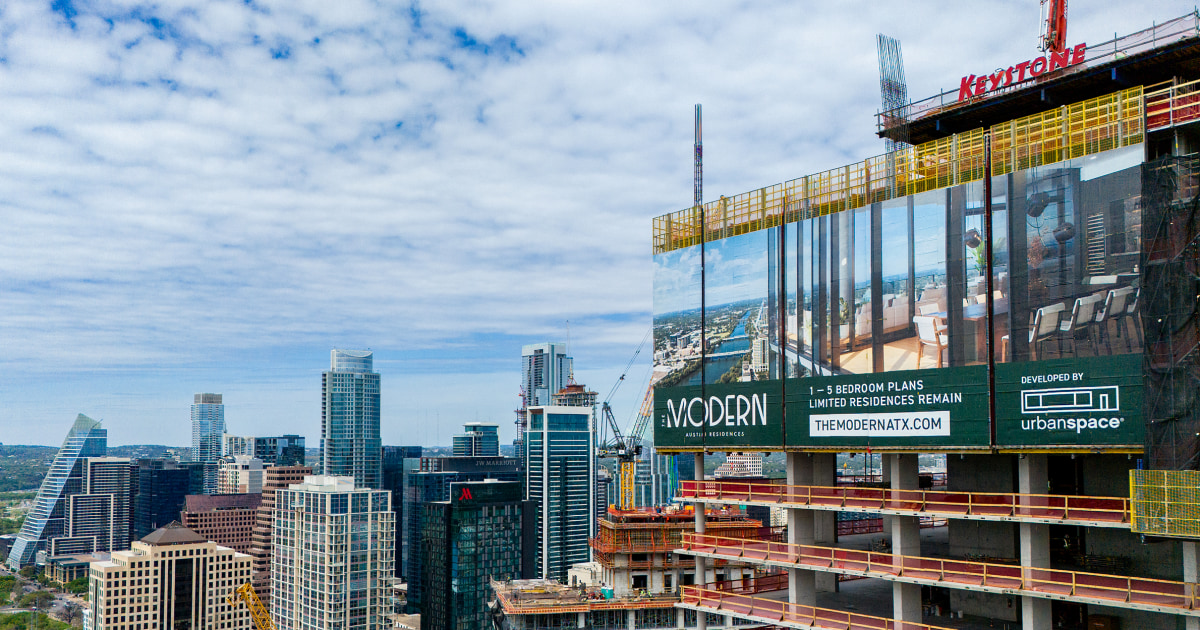
After a short-lived period of relief in 2025, the U.S. rental market may be headed for a tighter, more expensive 2026. With construction starts dropping nearly 11% and completions plunging 42%, the surge of new apartments that helped lower rents is rapidly drying up. Rising costs, shrinking inventory, and a slowdown in new development point to a potential rental crunch that could leave renters facing heavier competition and higher prices across major markets next year.
The commercial real estate market is entering a rare reset that experts say mirrors the post‑2008 boom, creating a potential window for disciplined investors. With trillions in commercial debt coming due and property values dropping up to 40%, firms like AARE are positioning themselves to acquire assets below replacement cost—an advantage that could set the stage for significant long‑term growth.
Commercial real estate is entering a reinvention phase, with AI‑driven productivity, modernized office demand, experience‑focused retail, expanding industrial logistics, creative housing solutions, and sustainability‑centered design all accelerating nationwide. These six forces are shaping how investors, brokers, and future licensees will operate in a rapidly evolving U.S. market.
After years of economic uncertainty and cautious decision‑making, 2026 is shaping up to be the year professionals finally catch a break. AI is moving from buzzword to essential tool, capital markets are beginning to thaw, and hiring is picking up across real estate, mortgage, insurance, finance, and healthcare. With opportunity returning, many professionals are using this moment to upskill—pursuing new licenses, certifications, and cross‑industry expertise.