In the ever-evolving landscape of higher education, online learning has steadily gained traction since its inception in the 1990s, emerging as a flexible and accessible option for students worldwide. As we look towards 2025, Forbes Advisor has meticulously assessed over 3,400 U.S. higher education institutions to identify the top 10 online colleges, focusing on factors such as affordability, credibility, student outcomes, and student experience.
The rise of online learning can be attributed to its ability to accommodate students who face barriers to traditional on-campus experiences. Whether due to geographical constraints, work commitments, or personal preferences, online education offers a viable alternative for many. The Forbes article highlights this trend, noting the sophistication and popularity that online learning has achieved over the years.
Among the top-ranked institutions, the University of Central Florida stands out, offering a diverse range of online bachelor’s programs. With more than 30 majors, 35 minors, and 20 undergraduate certificates, UCF provides a customizable educational experience. The university’s strong retention and graduation rates further underscore its commitment to student success.
Another notable mention is Florida State University, which boasts the second-lowest average in-state tuition on the list. Its robust online offerings, combined with a high retention rate, make it an attractive option for budget-conscious students. The university’s focus on synchronous and asynchronous coursework fosters a rich environment for peer-to-peer interaction.
CUNY Lehman College also features prominently, excelling in social and economic mobility. The college’s support for Pell Grant recipients, who graduate at rates higher than the school’s average, highlights its dedication to fostering success among lower-income students.
As online education continues to evolve, it is clear that it has become a legitimate and desirable alternative to traditional learning. The Forbes article provides a comprehensive overview of the best online colleges for 2025, emphasizing the transformation of online learning into a platform that rivals its on-campus counterparts in quality and rigor.
More Articles
Getting licensed or staying ahead in your career can be a journey—but it doesn’t have to be overwhelming. Grab your favorite coffee or tea, take a moment to relax, and browse through our articles. Whether you’re just starting out or renewing your expertise, we’ve got tips, insights, and advice to keep you moving forward. Here’s to your success—one sip and one step at a time!
Illinois kicked off the new year with more than 200 laws taking effect, impacting professionals across healthcare, insurance, real estate, education, and other regulated industries. From major healthcare coverage expansions to new AI hiring limits, enhanced worker protections, school safety reforms, and upgraded public‑safety standards, nearly every sector will see meaningful changes. As compliance expectations grow, institutions like Cameron Academy help professionals stay prepared and career‑ready in an evolving regulatory landscape.
As commercial real estate moves beyond two turbulent years, 2026 is emerging as a year of growth for professionals who know where to look. According to First American economist Xander Snyder, the biggest wins may come not from booming sectors but from distressed properties—especially those with short‑term issues that can recover with creative financing, recapitalization, or strategic repositioning. Multifamily distress, selective office restructuring, and the rise of non‑QM lending are setting the stage for brokers, investors, and new licensees to capitalize on flexible deal‑making and evolving market conditions.
Housing is taking over the national spotlight in 2026, with federal leaders, big‑city mayors, and market professionals all zeroing in on affordability, supply, and sweeping policy changes. From President Trump’s promised reform agenda to looming Section 8 funding risks and aggressive city‑level zoning overhauls, the year is shaping up to be one of the most consequential periods for real estate and related licensed professions. For agents, mortgage brokers, insurance specialists, and anyone tied to the housing ecosystem, rapid shifts in policy and market conditions make 2026 a year where preparation, education, and adaptability will be essential.
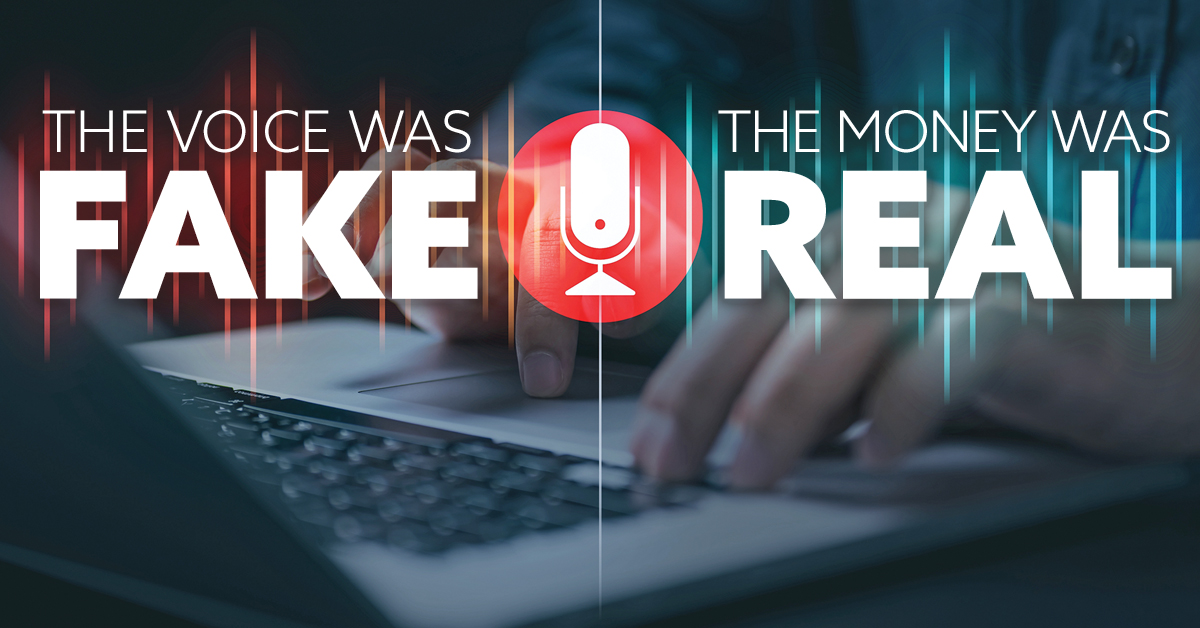
A lender wires $4.2 million after receiving what sounded like a routine call from a borrower’s attorney—same voice, same tone, same mannerisms. By morning, the truth emerges: the email was hacked, the phone call was an AI‑generated voice clone, and the money is gone. As scammers use AI to mimic voices, emails, and documents with startling accuracy, real estate finance has become a prime target. The industry’s growing reliance on AI brings efficiency, but also dangerous new vulnerabilities, pushing regulators, insurers, and professionals to rethink verification, security, and trust itself.
A new wave of migration is changing the shape of commercial real estate as Americans trade costly metros for more affordable, lifestyle-friendly regions. Smaller Southern and mid‑Atlantic markets are gaining momentum, while pandemic boom states like Florida, Texas, and Arizona are now leveling off. These shifts are influencing demand for housing, retail, office parks, warehouses, and even self‑storage, signaling both fresh opportunities and heightened caution for investors and real estate professionals.
Florida is gearing up for a potential overhaul of its property tax system, with lawmakers pushing proposals that could dramatically reduce or even eliminate property taxes by 2026. Homeowners facing rising bills welcome the idea, but city and county leaders warn it could cripple essential services like police, fire response, and local infrastructure. As political tensions escalate — including accusations of overspending and sharp pushback from local officials — real estate professionals should prepare for major market impacts if reforms move forward.