
The Rise of Telemedicine: A Double-Edged Sword for Rural Healthcare

The advent of telemedicine has revolutionized healthcare delivery, providing a crucial bridge for patients who find it challenging to physically visit healthcare providers. This technological shift, which saw a significant uptick during the COVID-19 pandemic, has now become an indispensable part of modern healthcare systems.

A recent study spearheaded by Zihan Ye from the University of Tennessee, along with Kimberly Cornaggia from Penn State University and Xuelin Li from Columbia Business School, sheds light on the financial ramifications of telemedicine. The study uncovers some unintended consequences, particularly concerning rural healthcare access.

Telemedicine impact on rural healthcare

While urban hospitals, with their superior resources, attract rural patients through remote services, rural healthcare providers are witnessing a decline in patient numbers. This patient migration is affecting their operational decisions and financial health, leading to an alarming rise in rural hospital bankruptcies.

Competition and Financial Strain

The allure of telemedicine has intensified competition among hospitals, often resulting in price wars that favor urban facilities. These urban hospitals, benefiting from a higher influx of telemedicine patients, are typically able to charge more than their rural counterparts. This dynamic not only affects rural hospital revenues but also influences insurance reimbursement strategies, particularly for Medicare and Medicaid, which are notorious for lower payouts.

As urban healthcare facilities reap financial benefits, rural hospitals find themselves grappling with downgraded credit ratings. This financial strain translates to higher bond yields, further exacerbating their economic burdens. Ye emphasizes the urgent need for policy reforms to ensure rural hospitals can partake in the telemedicine boom, preventing further financial distress.

A Call for Balanced Healthcare Access

While telemedicine has undeniably extended healthcare access, Ye cautions both policymakers and patients to consider the economic repercussions that threaten the sustainability of rural healthcare. This reflection underscores the delicate balance required between embracing technological advancements and maintaining equitable healthcare access across all communities.

For more insights into the study, refer to the SSRN Review of Financial Studies.

More Articles

Getting licensed or staying ahead in your career can be a journey—but it doesn’t have to be overwhelming. Grab your favorite coffee or tea, take a moment to relax, and browse through our articles. Whether you’re just starting out or renewing your expertise, we’ve got tips, insights, and advice to keep you moving forward. Here’s to your success—one sip and one step at a time!

Building an Integrated Approach to Real Estate Sustainability

Nearly 60% of global real estate CFOs lack the necessary data, processes, or internal controls to comply with current environmental regulations.

The Blockchain Revolution: Building the Future of Finance with DeFi

DeFi emerges as a beacon of transformation, promising to revolutionize how we interact with money. DeFi stands at the forefront, offering instant, transparent transactions without the constraints of conventional banking systems. This new paradigm opens doors to innovative investment opportunities and fosters a more inclusive global economy.

By |December 8, 2024|Categories: Article, Finance, Technology|Tags: , |0 Comments

Artificial Intelligence: A New Frontier in Neurological Care

AI's integration into neurology is not just a fleeting trend; it's a significant shift in how healthcare professionals approach complex neurological disorders.

By |December 8, 2024|Categories: Article, Healthcare, Technology|Tags: , |0 Comments

Celebrating Commitment to Physician Well-being

The American Medical Association (AMA) has recognized 62 health care organizations through its Joy in Medicine™ Health System Recognition Program. These organizations, representing over 140,000 physicians, have been acknowledged for their innovative strategies aimed at reducing stress and enhancing mental health among doctors.

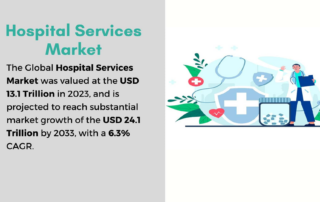
Global Hospital Services Market Set for Substantial Growth

The global hospital services market is undergoing a significant transformation, with projections indicating robust growth over the next decade. As of 2023, the market was valued at USD 13.1 trillion and is expected to soar to an impressive USD 24.1 trillion by 2033, boasting a compound annual growth rate (CAGR) of 6.3%. This optimistic forecast, reported by Market.us Media, is driven by advancements in medical technology, increased healthcare expenditures, and the rising prevalence of chronic diseases.

By |December 7, 2024|Categories: Article, Healthcare, Market Analysis|Tags: , |0 Comments

Unlocking the Potential of Modular Construction in Ontario’s Housing Market

In the bustling realm of Ontario's housing market, modular construction is emerging as a beacon of hope amid a pressing demand for new homes.


By |December 7, 2024|Categories: Article, Construction, Technology|Tags: , |0 Comments