The Rise of Telemedicine: A Double-Edged Sword for Rural Healthcare
The advent of telemedicine has revolutionized healthcare delivery, providing a crucial bridge for patients who find it challenging to physically visit healthcare providers. This technological shift, which saw a significant uptick during the COVID-19 pandemic, has now become an indispensable part of modern healthcare systems.
A recent study spearheaded by Zihan Ye from the University of Tennessee, along with Kimberly Cornaggia from Penn State University and Xuelin Li from Columbia Business School, sheds light on the financial ramifications of telemedicine. The study uncovers some unintended consequences, particularly concerning rural healthcare access.
While urban hospitals, with their superior resources, attract rural patients through remote services, rural healthcare providers are witnessing a decline in patient numbers. This patient migration is affecting their operational decisions and financial health, leading to an alarming rise in rural hospital bankruptcies.
Competition and Financial Strain
The allure of telemedicine has intensified competition among hospitals, often resulting in price wars that favor urban facilities. These urban hospitals, benefiting from a higher influx of telemedicine patients, are typically able to charge more than their rural counterparts. This dynamic not only affects rural hospital revenues but also influences insurance reimbursement strategies, particularly for Medicare and Medicaid, which are notorious for lower payouts.
As urban healthcare facilities reap financial benefits, rural hospitals find themselves grappling with downgraded credit ratings. This financial strain translates to higher bond yields, further exacerbating their economic burdens. Ye emphasizes the urgent need for policy reforms to ensure rural hospitals can partake in the telemedicine boom, preventing further financial distress.
A Call for Balanced Healthcare Access
While telemedicine has undeniably extended healthcare access, Ye cautions both policymakers and patients to consider the economic repercussions that threaten the sustainability of rural healthcare. This reflection underscores the delicate balance required between embracing technological advancements and maintaining equitable healthcare access across all communities.
Getting licensed or staying ahead in your career can be a journey—but it doesn’t have to be overwhelming. Grab your favorite coffee or tea, take a moment to relax, and browse through our articles. Whether you’re just starting out or renewing your expertise, we’ve got tips, insights, and advice to keep you moving forward. Here’s to your success—one sip and one step at a time!
With increasing governmental and private investments, the demand for precision medicine is expected to rise steadily. The commitment to addressing chronic conditions, coupled with strategic industry collaborations and advanced diagnostic tools, will sustain market growth.
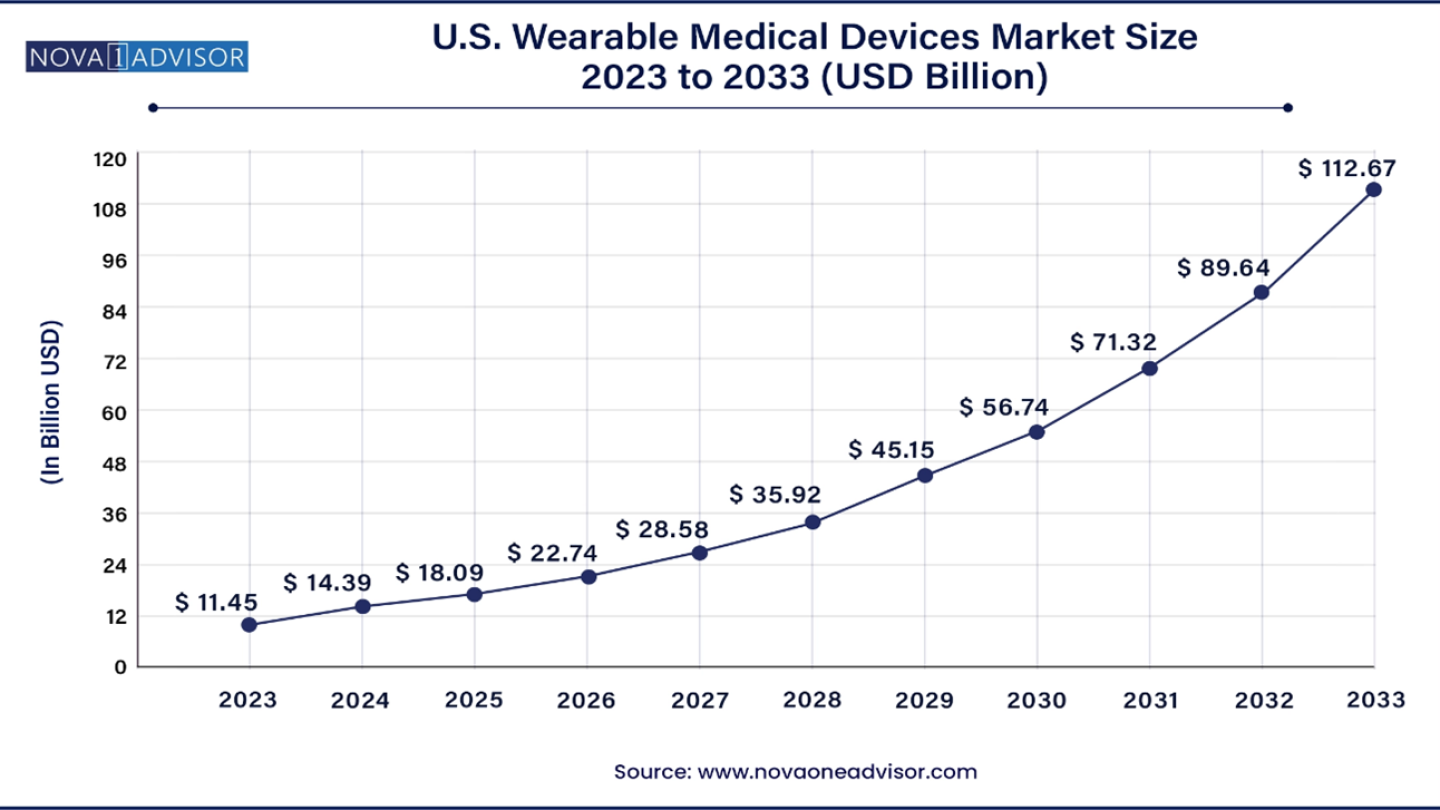
The U.S. wearable medical devices market, currently valued at an estimated $11.45 billion in 2023, is set to experience an astronomical rise to approximately $112.67 billion by 2033.
The real estate market is on the brink of transformation, captivating the attention of buyers, sellers, investors, and industry professionals. As we look toward the end of 2024, experts predict a shift in the landscape, particularly with home prices expected to decline due to increased inventory levels.
According to the World Health Organization (WHO), nearly two billion people in rural and remote areas worldwide lack access to essential healthcare solutions. This staggering statistic highlights a critical issue: the digital divide that limits telehealth services, primarily due to inadequate broadband access.
As AI becomes a staple in medical practice, it carries the risk of reinforcing existing biases entrenched in historical data. These biases can lead to skewed outcomes, particularly affecting marginalized communities such as the LGBTQIA+ and certain ethnic groups.
A groundbreaking study published in Volume 15 of Oncotarget on October 11, 2024, titled 'Relationship between the expressions of DLL3, ASC1, TTF-1 and Ki-67: First steps of precision medicine at SCLC' showcases pivotal advancements in the fight against small cell lung cancer (SCLC).