The SEC’s Big RIA Reclassification: A Small Change With Major M&A Ripples

Business merger collaboration illustration

The Securities and Exchange Commission has proposed a major redefining of what counts as a “small entity” in the world of registered investment advisers (RIAs) — and the change is so dramatic that it would instantly reclassify about 96% of all RIAs as small instead of large.

This is far more than a paperwork adjustment — it’s a shift with potential ripple effects across mergers, acquisitions, compliance operations, and even the momentum of breakaway advisers exploring independence.

Originally reported by PLANADVISER. Explore the full article here: SEC RIA ‘Small Entity’ Redefinition Could Affect M&A

A Massive Jump in the Definition of “Small”

Currently, an RIA is considered a small entity only if it manages less than $25 million in assets. Under the new SEC proposal, “small” would skyrocket to include firms with under $1 billion AUM.

“It’s an absurd jump … a 40-times leap,” says Peter Campagna of Wise Rhino Group. “But I think it’s more about relieving administrative burden. You shouldn’t have the same scrutiny as BlackRock if you’re managing under $1 billion.”

The intention is to reduce regulatory strain on most RIAs — but that relief could still trigger new complications during merger transitions or compliance restructuring.

Why M&A Integration Could Get Tricky

Kim Kovalski of MarshBerry notes that although compliance relief is welcome, the shift introduces integration challenges when formerly “small” firms merge upward. These may include:

  • Upgrading firmwide policies
  • Reworking reporting practices
  • Rebuilding compliance staffing
  • Implementing phased integration plans

These aren’t deal breakers — but they’re hurdles that growing RIAs must prepare for strategically.

M&A Isn’t Slowing Down Anytime Soon

Despite potential complications, the RIA acquisition market remains strong. Last year alone hit record-breaking activity, with buyers still eager and valuations holding steady.

Some firm owners may even feel less urgency to sell if their classification shifts to “small,” reducing compliance pressure.

A Potential Surge in Breakaway Advisers

Campagna also predicts a possible spike in breakaway advisers — professionals leaving large wirehouses to launch independent wealth firms.

“There were advisers who weren’t doing it that would do it now,” Campagna says. “That’s a whole lot of talented people.”

Why Professionals Everywhere Should Pay Attention

Regulatory shifts like this highlight a universal truth across all licensed fields — whether in finance, real estate, insurance, or healthcare — the compliance landscape can evolve fast.

Staying educated, licensed, and current is essential. For professionals seeking new opportunities, expanding certifications, or pivoting industries, Cameron Academy remains a trusted, nationwide resource with programs spanning all 50 states.

In a world where regulation shapes opportunity, the professionals who stay informed — and stay licensed — are the ones who rise to the top.


More Articles

Getting licensed or staying ahead in your career can be a journey—but it doesn’t have to be overwhelming. Grab your favorite coffee or tea, take a moment to relax, and browse through our articles. Whether you’re just starting out or renewing your expertise, we’ve got tips, insights, and advice to keep you moving forward. Here’s to your success—one sip and one step at a time!

The Mortgage Industry’s AI Transformation: Automation Reshapes Lending From Application to Approval

Artificial intelligence is rapidly reshaping the mortgage industry, boosting productivity, reducing manual work, and accelerating loan closings. From automated document data extraction to AI‑generated underwriting narratives and predictive analytics, lenders are using new tools that improve accuracy and drastically speed up processing times. With chatbots, next‑gen point‑of‑sale systems, and end‑to‑end automation, preapprovals that once took days now take minutes. For mortgage and real estate professionals, mastering AI is becoming a major competitive advantage—one that defines who will thrive in the future of lending.

Why Your Insurance Bill Is Rising Even as Florida Rates Go Down

Florida’s property insurance rates are finally starting to drop, but many homeowners are still seeing higher monthly bills. The reason isn’t insurer price hikes—it’s soaring replacement costs driven by construction inflation, labor shortages, and rising home values. Nearly 75 percent of recent premium increases came from higher property values alone. Understanding this gap between “rates” and “premiums” helps homeowners—and real estate and insurance professionals—navigate the shifting Florida market and make smarter coverage decisions.

Milwaukee’s Commercial Real Estate Market Turns a Corner

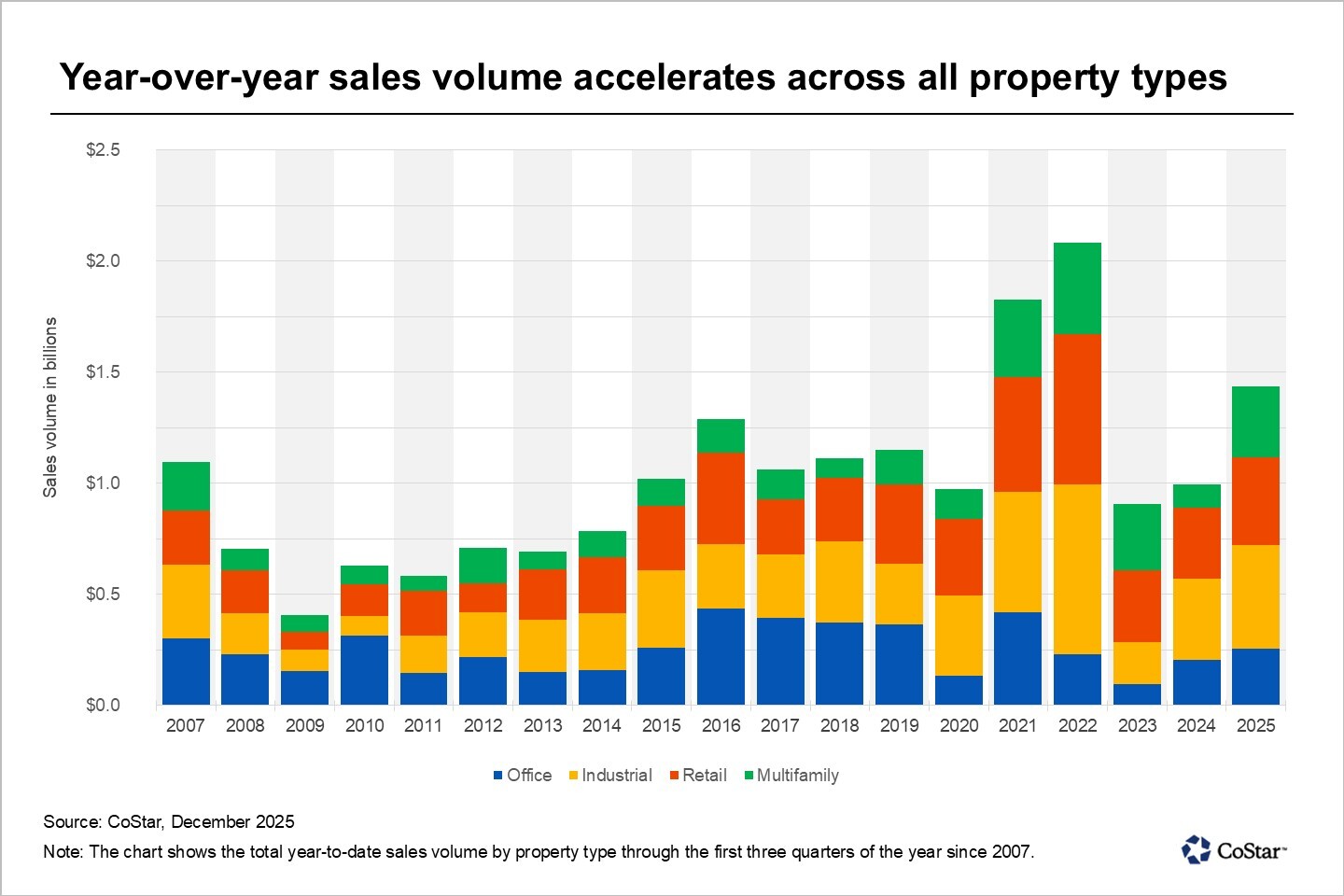
Milwaukee’s commercial real estate market is finally showing real signs of recovery, with 2025 sales volume hitting a three‑year high and investor confidence steadily returning. Driven by selective, fundamentals‑focused buying—favoring strong cash flow, quality assets, and strategic pricing—the city is moving from a period of correction into a healthier, opportunity‑rich phase. For real estate professionals nationwide, Milwaukee’s momentum reflects broader CRE market stabilization and the growing importance of disciplined underwriting and market expertise.

Reverse Mortgage Market Poised for Breakout Growth in 2026

Industry leaders project a major surge in reverse mortgage activity heading into 2026, fueled by rising proprietary products, lender innovation, and strong investor interest. As high interest rates push originators to adopt new strategies, flexible private‑label options, senior‑focused HELOCs, and a wave of big‑capital investment are reshaping the market. With education and policy shifts poised to unlock even more demand, reverse mortgages are entering their most transformative era yet.

The 2026 Housing Market Outlook: Is Better Inventory Finally on the Horizon?

Experts forecast that 2026 may bring long‑awaited relief to homebuyers, with both existing and new home inventory expected to rise. NAR predicts a boost in home sales, a slight drop in mortgage rates, and a modest 4% increase in prices—conditions that could motivate more homeowners to list while builders add over a million new homes to the market. For first‑time buyers, higher loan limits and easing qualification standards may make entering the market more achievable than in recent years.

Lower Interest Rates Signal a Brighter 2026 for South Florida Real Estate

South Florida enters 2026 with renewed optimism as falling mortgage rates, improving buyer confidence, and a strong job market help stabilize a housing landscape that struggled in 2025—especially in the condo sector. While single-family homes remained resilient last year, condos faced price drops, rising fees, and hesitation tied to new safety regulations. With rates projected to fall to around 5.8% by year’s end, buying power is increasing, inventory may loosen, and activity is expected to pick up. Still, affordability challenges persist, Miami’s rental market remains intensely competitive, and the condo sector’s recovery will take time.