The SEC’s Big RIA Reclassification: A Small Change With Major M&A Ripples

Business merger collaboration illustration

The Securities and Exchange Commission has proposed a major redefining of what counts as a “small entity” in the world of registered investment advisers (RIAs) — and the change is so dramatic that it would instantly reclassify about 96% of all RIAs as small instead of large.

This is far more than a paperwork adjustment — it’s a shift with potential ripple effects across mergers, acquisitions, compliance operations, and even the momentum of breakaway advisers exploring independence.

Originally reported by PLANADVISER. Explore the full article here: SEC RIA ‘Small Entity’ Redefinition Could Affect M&A

A Massive Jump in the Definition of “Small”

Currently, an RIA is considered a small entity only if it manages less than $25 million in assets. Under the new SEC proposal, “small” would skyrocket to include firms with under $1 billion AUM.

“It’s an absurd jump … a 40-times leap,” says Peter Campagna of Wise Rhino Group. “But I think it’s more about relieving administrative burden. You shouldn’t have the same scrutiny as BlackRock if you’re managing under $1 billion.”

The intention is to reduce regulatory strain on most RIAs — but that relief could still trigger new complications during merger transitions or compliance restructuring.

Why M&A Integration Could Get Tricky

Kim Kovalski of MarshBerry notes that although compliance relief is welcome, the shift introduces integration challenges when formerly “small” firms merge upward. These may include:

  • Upgrading firmwide policies
  • Reworking reporting practices
  • Rebuilding compliance staffing
  • Implementing phased integration plans

These aren’t deal breakers — but they’re hurdles that growing RIAs must prepare for strategically.

M&A Isn’t Slowing Down Anytime Soon

Despite potential complications, the RIA acquisition market remains strong. Last year alone hit record-breaking activity, with buyers still eager and valuations holding steady.

Some firm owners may even feel less urgency to sell if their classification shifts to “small,” reducing compliance pressure.

A Potential Surge in Breakaway Advisers

Campagna also predicts a possible spike in breakaway advisers — professionals leaving large wirehouses to launch independent wealth firms.

“There were advisers who weren’t doing it that would do it now,” Campagna says. “That’s a whole lot of talented people.”

Why Professionals Everywhere Should Pay Attention

Regulatory shifts like this highlight a universal truth across all licensed fields — whether in finance, real estate, insurance, or healthcare — the compliance landscape can evolve fast.

Staying educated, licensed, and current is essential. For professionals seeking new opportunities, expanding certifications, or pivoting industries, Cameron Academy remains a trusted, nationwide resource with programs spanning all 50 states.

In a world where regulation shapes opportunity, the professionals who stay informed — and stay licensed — are the ones who rise to the top.


More Articles

Getting licensed or staying ahead in your career can be a journey—but it doesn’t have to be overwhelming. Grab your favorite coffee or tea, take a moment to relax, and browse through our articles. Whether you’re just starting out or renewing your expertise, we’ve got tips, insights, and advice to keep you moving forward. Here’s to your success—one sip and one step at a time!

Title Insurance Leaders Double Down on Tech and Efficiency to Drive 2026 Market Momentum

The title insurance industry is entering 2026 with a renewed focus on technology, operational efficiency, and stronger agent support after years of volatility. Leaders from major underwriters report rising transaction activity, improved affordability, and a surge in automation and fraud‑prevention tools—signs that smarter systems and better training will define the next wave of growth.

Mortgage CEO Barred in 21 States After Major Education Fraud Settlement

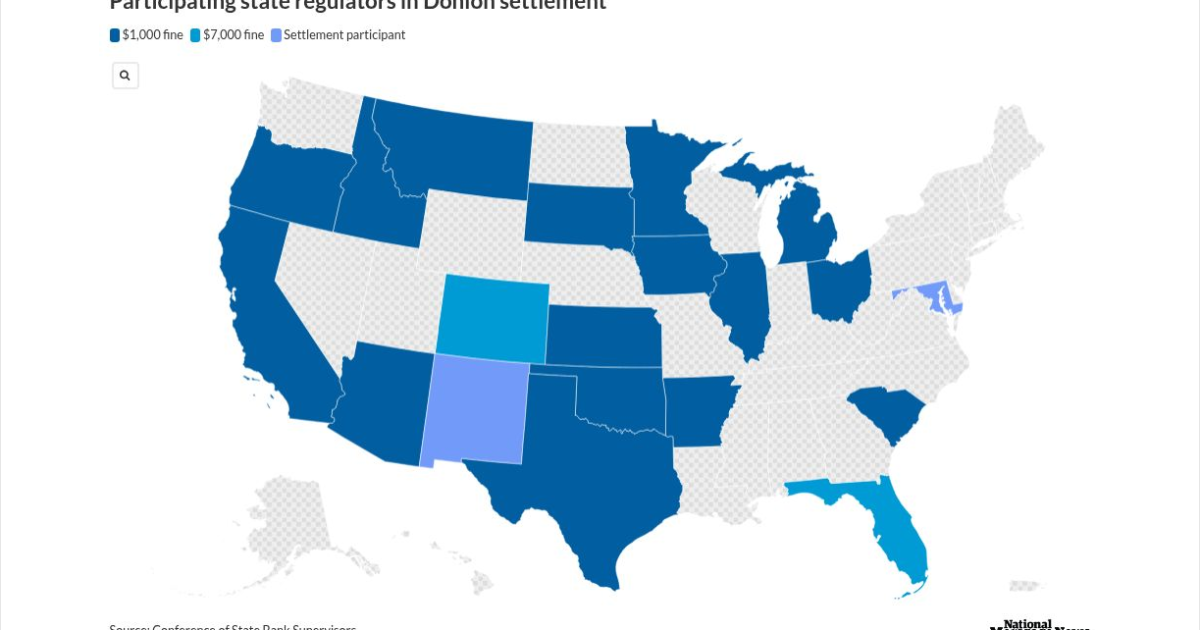
A multistate crackdown has sent shockwaves through the mortgage industry as Patrick Terrance Donlon, CEO of Trusted American Mortgage, accepted a sweeping settlement that bans him from working as a mortgage loan originator in 21 states—19 of them permanently. Regulators say Donlon had another individual complete his mandatory licensing and continuing‑education courses, a violation that triggered a coordinated investigation and a $31,000 penalty. The case underscores regulators’ growing intolerance for education fraud and serves as a sharp reminder to industry professionals: cutting corners on licensing can end careers.

Florida’s Real Estate Slowdown: How Insurance Costs Are Reshaping the Market

Florida’s once‑booming housing market is cooling fast as rising insurance premiums, increasing foreclosures, and expanding flood zones push buyers to back out of deals and force sellers to cut prices. With insurance now adding thousands to annual housing costs, professionals across real estate, mortgage, and insurance are navigating a dramatically shifting landscape that’s redefining affordability in the Sunshine State.

New Florida Laws Taking Effect January 1, 2026: Key Changes Every Professional Should Know

Florida begins 2026 with a wave of more than 250 new laws now in effect, impacting healthcare, insurance, real estate, and consumer protections statewide. From free breast cancer screenings for state employees to tighter pet insurance regulations, mandatory healthcare refund rules, enhanced animal‑cruelty penalties, and new condo‑management requirements, these updates carry major implications for professionals navigating Florida’s evolving regulatory landscape.

Florida’s Barrier Islands: Why Paradise Living Comes With Sky‑High Risks for Homeowners and Agents

Florida’s barrier islands may offer postcard-perfect beaches and soaring real estate demand, but they’re also some of the most fragile and costly places to build in the United States. With 765,000 residents living on land that shifts, sinks, and takes the brunt of every major hurricane, the financial and insurance risks are accelerating fast. From billion‑dollar beach rebuilds to towers settling into the sand, today’s coastal development challenges are reshaping conversations around property values, disclosure, and long‑term resilience. For real estate professionals, understanding these risks isn’t just smart — it’s becoming essential.

Cedar City Builder Redefines Affordable Housing With Luxury‑Style Twin Homes

A Cedar City development is turning heads with its fresh approach to affordability. The team behind Temple View Commons is delivering luxury‑inspired twin homes at prices below the local median by using a small, hands‑on staff and cutting traditional costs like realtor commissions. In a tight Utah housing market where inventory is scarce and prices remain high, their strategy offers a realistic path to homeownership without sacrificing high‑end finishes.