“`html

The Transformation of Insurance Through Customer-Centric Ecosystems

In the fast-evolving world of insurance, a transformative shift is underway, driven by the development of customer-centric ecosystems. As highlighted in a comprehensive study by EY, insurance ecosystems are reshaping the industry by focusing on customer engagement, trust, and operational excellence.
Customer-Centric Approach The most successful ecosystems are those that prioritize customer value and seamless experiences across various services. By establishing trust and utilizing customer data effectively, these ecosystems offer additional benefits that enhance the overall user experience.
Innovative Capabilities High-performing ecosystems introduce compelling solutions that address specific customer pains. For instance, the integration of AI-driven automation in claims processing not only boosts efficiency but also significantly enhances customer satisfaction.
Strong Leadership The backbone of effective ecosystems is strong, visible leadership. Leaders define strategic priorities and drive cultural change, ensuring the necessary resources are allocated for successful implementation.
Impactful Metrics Key performance metrics are aligned with strategic goals, focusing on broadening customer engagement and lifetime value. This alignment ensures that value is effectively translated for stakeholders, fostering growth and sustainability.
Collaborative Distribution The success of these ecosystems also stems from aligning distribution methods with intermediary incentives. This ensures that all parties involved benefit, creating a win-win scenario for insurers and their partners.
Partnership Excellence Choosing the right partners is crucial. Successful partnerships focus on cultural fit and mutual growth, leveraging complementary skills and innovative ideas to drive the ecosystem forward.
Advanced Technology Utilization Ecosystem leaders are at the forefront of technology integration, utilizing open APIs and AI to seamlessly integrate services and enhance customer personalization. This technological prowess allows for rapid change and adaptation in the market.
These attributes underscore the importance of strategic alignment, collaborative innovation, and technological integration in crafting ecosystems that not only adapt to industry shifts but also drive enduring customer loyalty and operational performance.

Conclusion

The discussed elements of effective ecosystems provide a template for insurance industry leaders to emulate, ensuring they remain competitive in an evolving market landscape. For more insights into financial services ecosystems, visit EY Financial Services and explore their Insurance Sector Adaptations. “`

More Articles

Getting licensed or staying ahead in your career can be a journey—but it doesn’t have to be overwhelming. Grab your favorite coffee or tea, take a moment to relax, and browse through our articles. Whether you’re just starting out or renewing your expertise, we’ve got tips, insights, and advice to keep you moving forward. Here’s to your success—one sip and one step at a time!

Precision Medicine Market: A Tailored Approach Revolutionizing Healthcare

With increasing governmental and private investments, the demand for precision medicine is expected to rise steadily. The commitment to addressing chronic conditions, coupled with strategic industry collaborations and advanced diagnostic tools, will sustain market growth.

U.S. Wearable Medical Devices Market: Growth Trends and Future Prospects

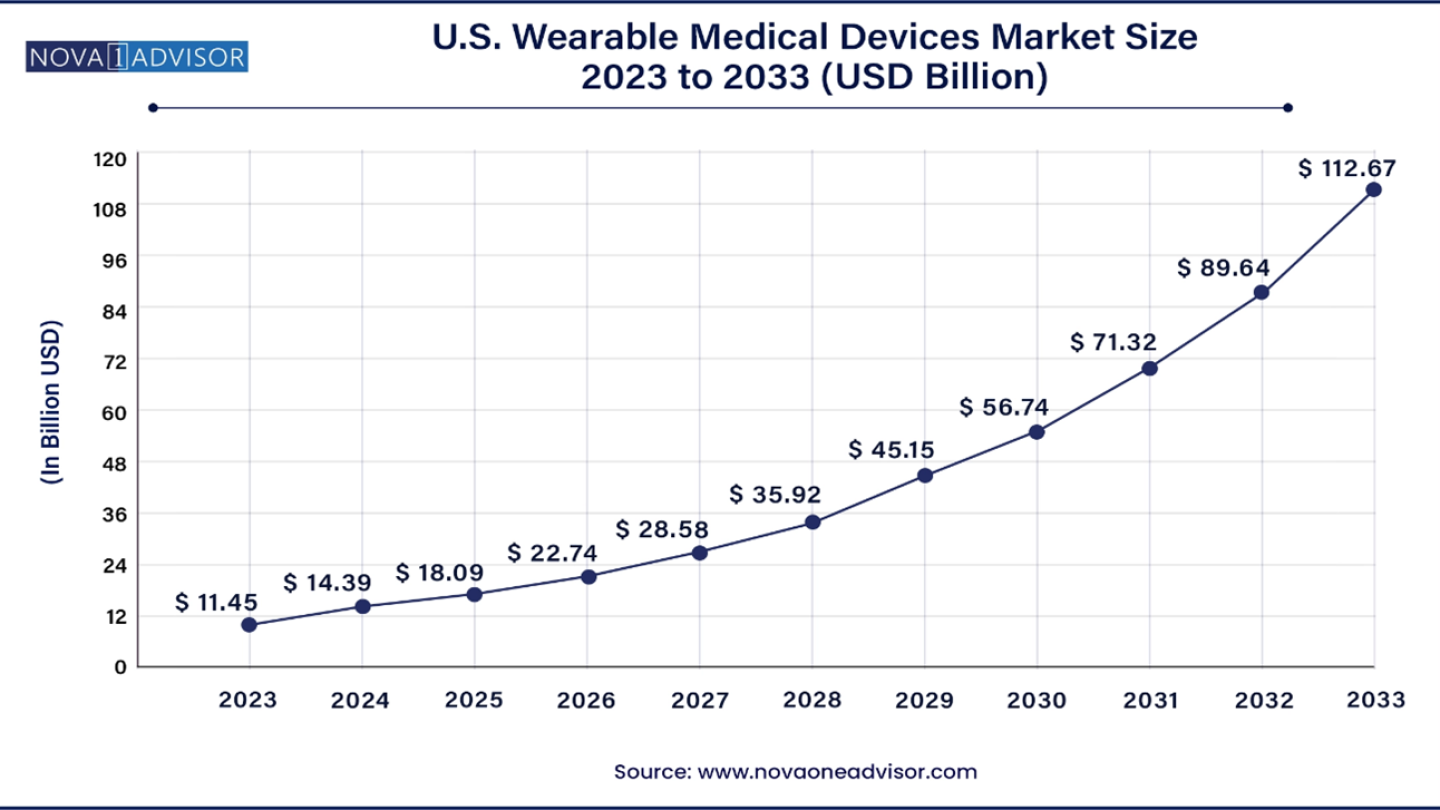
The U.S. wearable medical devices market, currently valued at an estimated $11.45 billion in 2023, is set to experience an astronomical rise to approximately $112.67 billion by 2033.

By |December 3, 2024|Categories: Article, Healthcare, Technology|Tags: |0 Comments

The Future of Real Estate Market: What Lies Ahead?

The real estate market is on the brink of transformation, captivating the attention of buyers, sellers, investors, and industry professionals. As we look toward the end of 2024, experts predict a shift in the landscape, particularly with home prices expected to decline due to increased inventory levels.

By |December 3, 2024|Categories: Article, Market Trends, Real Estate|Tags: , |0 Comments

Bridging the Healthcare Gap in Rural Areas with Telehealth

According to the World Health Organization (WHO), nearly two billion people in rural and remote areas worldwide lack access to essential healthcare solutions. This staggering statistic highlights a critical issue: the digital divide that limits telehealth services, primarily due to inadequate broadband access.

By |December 2, 2024|Categories: Article, Healthcare, Technology|Tags: , |0 Comments

Navigating Ethical Challenges: AI in Healthcare

As AI becomes a staple in medical practice, it carries the risk of reinforcing existing biases entrenched in historical data. These biases can lead to skewed outcomes, particularly affecting marginalized communities such as the LGBTQIA+ and certain ethnic groups.

By |December 2, 2024|Categories: Article, Ethics, Healthcare|Tags: , |0 Comments

New SCLC Biomarkers Enable Advances in Precision Medicine Approaches

A groundbreaking study published in Volume 15 of Oncotarget on October 11, 2024, titled 'Relationship between the expressions of DLL3, ASC1, TTF-1 and Ki-67: First steps of precision medicine at SCLC' showcases pivotal advancements in the fight against small cell lung cancer (SCLC).

By |December 2, 2024|Categories: Article, Cancer Treatment, Medical Research|Tags: , |0 Comments