“`html

The Transformation of Insurance Through Customer-Centric Ecosystems

In the fast-evolving world of insurance, a transformative shift is underway, driven by the development of customer-centric ecosystems. As highlighted in a comprehensive study by EY, insurance ecosystems are reshaping the industry by focusing on customer engagement, trust, and operational excellence.
Customer-Centric Approach The most successful ecosystems are those that prioritize customer value and seamless experiences across various services. By establishing trust and utilizing customer data effectively, these ecosystems offer additional benefits that enhance the overall user experience.
Innovative Capabilities High-performing ecosystems introduce compelling solutions that address specific customer pains. For instance, the integration of AI-driven automation in claims processing not only boosts efficiency but also significantly enhances customer satisfaction.
Strong Leadership The backbone of effective ecosystems is strong, visible leadership. Leaders define strategic priorities and drive cultural change, ensuring the necessary resources are allocated for successful implementation.
Impactful Metrics Key performance metrics are aligned with strategic goals, focusing on broadening customer engagement and lifetime value. This alignment ensures that value is effectively translated for stakeholders, fostering growth and sustainability.
Collaborative Distribution The success of these ecosystems also stems from aligning distribution methods with intermediary incentives. This ensures that all parties involved benefit, creating a win-win scenario for insurers and their partners.
Partnership Excellence Choosing the right partners is crucial. Successful partnerships focus on cultural fit and mutual growth, leveraging complementary skills and innovative ideas to drive the ecosystem forward.
Advanced Technology Utilization Ecosystem leaders are at the forefront of technology integration, utilizing open APIs and AI to seamlessly integrate services and enhance customer personalization. This technological prowess allows for rapid change and adaptation in the market.
These attributes underscore the importance of strategic alignment, collaborative innovation, and technological integration in crafting ecosystems that not only adapt to industry shifts but also drive enduring customer loyalty and operational performance.

Conclusion

The discussed elements of effective ecosystems provide a template for insurance industry leaders to emulate, ensuring they remain competitive in an evolving market landscape. For more insights into financial services ecosystems, visit EY Financial Services and explore their Insurance Sector Adaptations. “`

More Articles

Getting licensed or staying ahead in your career can be a journey—but it doesn’t have to be overwhelming. Grab your favorite coffee or tea, take a moment to relax, and browse through our articles. Whether you’re just starting out or renewing your expertise, we’ve got tips, insights, and advice to keep you moving forward. Here’s to your success—one sip and one step at a time!

The Digital Healthcare Revolution: Transforming Patient Care with Technology

The global digital health market is set to skyrocket, with projections estimating it will reach $551.09 billion by 2027. This growth is fueled by innovations that are setting new benchmarks in healthcare delivery.

By |November 28, 2024|Categories: Article, Healthcare, Technology|Tags: , |0 Comments

University of Pennsylvania Pioneers the Planetary Health Curriculum

This innovative program equips medical students with the knowledge to understand and mitigate the effects of climate change on human health.

The Deep-Learning Triple Threat Transforming Medical Imaging

AI is being hailed as a "triple threat" in radiology, impacting planning, scanning, and diagnosis. As detailed in a recent column by Kelly Londy of GE HealthCare, these intelligent imaging systems are ushering in seismic changes reminiscent of the transformative impact of computer-assisted tomography in the late 20th century.

Federal Reserve’s Interest Rate Cut: Implications for the Housing Market

In a significant move that has captured the attention of economists and homebuyers alike, the Federal Reserve recently announced a half-percentage-point cut in interest rates. This decision is poised to bring about notable changes in the housing market, though not all effects may be beneficial for prospective homeowners.

By |November 27, 2024|Categories: Article, Economics, Real Estate|Tags: , |0 Comments

Public Perceptions of AI in Healthcare: A Balancing Act Between Innovation and Ethics

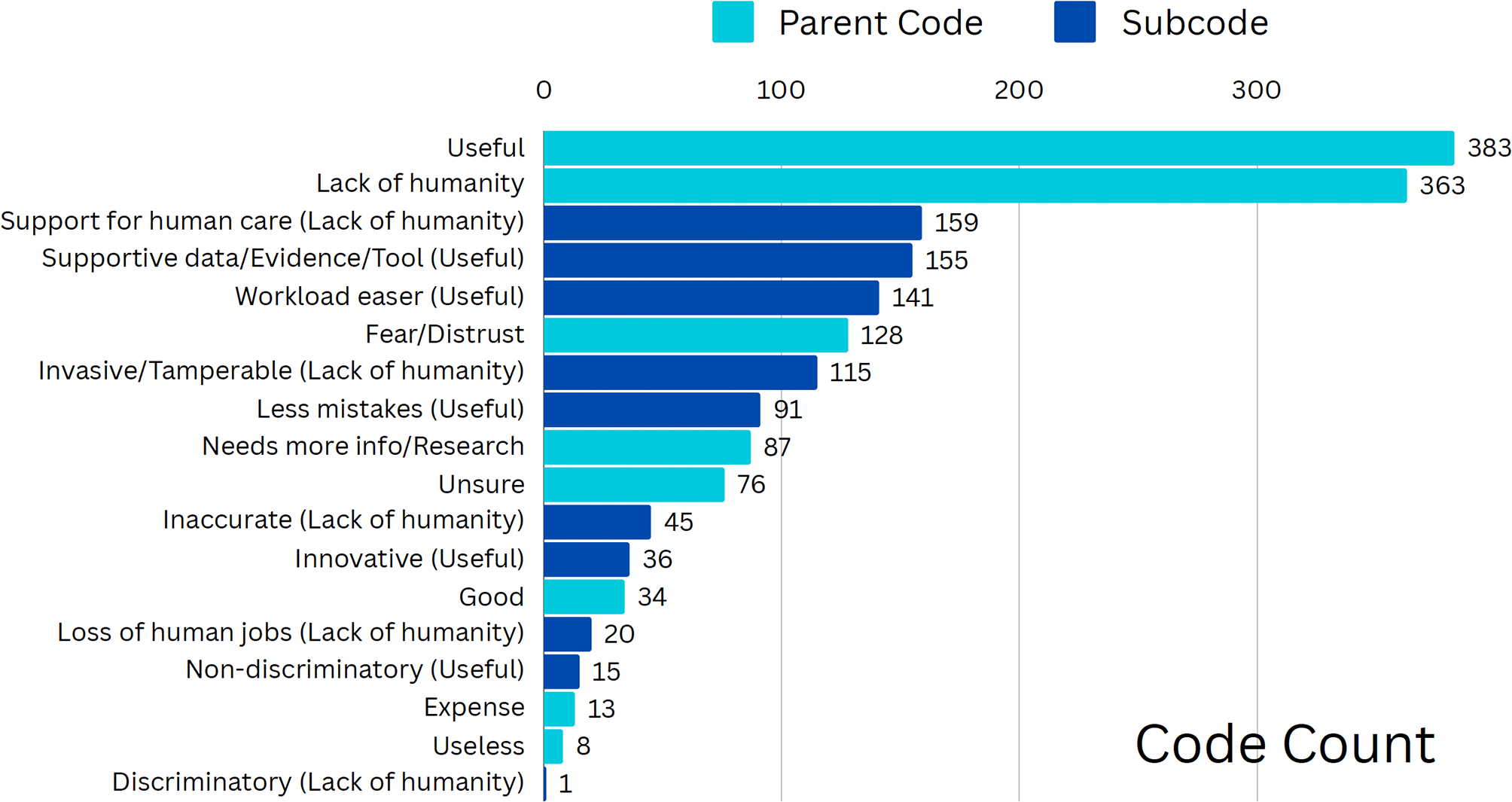
In the rapidly evolving landscape of healthcare, the integration of artificial intelligence (AI) stands as a beacon of both promise and concern. The research underscores a significant tension: while AI has the capability to enhance healthcare delivery, there is palpable unease about its impact on the traditional physician-patient relationship.

By |November 27, 2024|Categories: Article, Ethics, Healthcare|Tags: , |0 Comments

The Ethical Dilemmas of AI: A Modern Conundrum

As artificial intelligence (AI) technology advances, it presents a myriad of ethical dilemmas and challenges that demand urgent attention. The USC Annenberg School for Communication and Journalism recently explored these pressing issues, highlighting the complexities involved in AI's deployment.

By |November 27, 2024|Categories: Article, Ethics, Technology|Tags: , |0 Comments