The Transformative Power of AI in In-Vitro Diagnostics
In the ever-evolving landscape of healthcare, artificial intelligence (AI) and machine learning are at the forefront of revolutionizing in-vitro diagnostic (IVD) tools. As highlighted in a recent article from BW Healthcare, these cutting-edge technologies are redefining diagnostics and enhancing healthcare outcomes on multiple fronts.
Enhanced Diagnostic Accuracy
AI’s ability to process vast datasets with remarkable speed and precision is unparalleled. By detecting patterns and anomalies often missed by human observation, AI-driven IVD platforms are paving the way for more accurate diagnostics. This advancement is particularly crucial in the early detection of diseases like cancer and genetic disorders.
Personalised Medicine
The era of one-size-fits-all treatment is fading into history. Machine learning enables the personalization of diagnostic results, tailoring treatments based on an individual’s genetic makeup and medical history. This approach not only improves patient outcomes but also guides personalized treatment plans for conditions such as diabetes and cardiovascular diseases.
Automation and Workflow Efficiency
In high-throughput environments like clinical laboratories, AI-powered IVD tools automate repetitive tasks, enhancing workflow efficiency and reducing human error. Automated systems can interpret complex data sets in real-time, thereby accelerating diagnosis and alleviating the workload on lab technicians.
Predictive Analytics
AI’s predictive capabilities are a game-changer in disease management. By analyzing historical and real-time data, AI algorithms can forecast disease outbreaks and progression, empowering healthcare systems to prepare for potential challenges proactively.
Integration with IoT and Wearables
The integration of AI-driven IVD tools with wearables and IoT devices is enabling continuous health monitoring. This seamless connectivity allows for real-time diagnostic data collection, facilitating proactive disease management and early interventions.
Cost Reduction
AI’s role in reducing healthcare costs cannot be overstated. By minimizing diagnostic errors and streamlining procedures, AI-driven IVD tools significantly lower the financial burden on healthcare systems.
Early Disease Prediction
AI’s prowess in processing large datasets is instrumental in the early prediction of diseases, even before symptoms manifest. This capability is invaluable in preventive healthcare, allowing for timely interventions and lifestyle modifications.
Standardisation and Reduction of Human Error
Ensuring consistency and standardization in diagnostic procedures, AI minimizes human error and variability, leading to more reliable and uniform results across different laboratories.
Self-Learning Diagnostic Tools AI-powered IVD systems are continuously learning and adapting. As they process more diagnostic data, they improve their accuracy, making them invaluable assets in the healthcare sector.
The author of the article is Chandra Ganjoo, Group CEO of Trivitron Healthcare, who eloquently outlines the transformative impact of AI and machine learning on in-vitro diagnostics.
More Articles
Getting licensed or staying ahead in your career can be a journey—but it doesn’t have to be overwhelming. Grab your favorite coffee or tea, take a moment to relax, and browse through our articles. Whether you’re just starting out or renewing your expertise, we’ve got tips, insights, and advice to keep you moving forward. Here’s to your success—one sip and one step at a time!
Remote work is dramatically reshaping real estate trends in India. By understanding and adapting to these shifts, investors can make savvy decisions, aligning their strategies with this evolving landscape and capitalizing on the burgeoning opportunities that remote working presents.
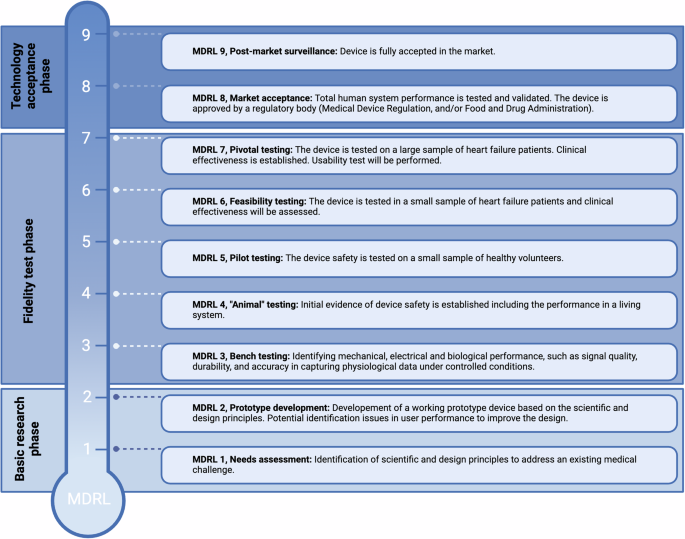
Wearable technologies are emerging as a beacon of hope for heart failure (HF) management, promising a future where patient care is not just reactive but proactive. As reported in a recent Nature article, these devices are poised to transform how we monitor and manage HF patients.
In a landmark event in April 2024, the State and Local Electric Vehicle Workforce Collaborative convened in Washington, D.C., highlighting the transformative potential of federal investments in electric vehicle infrastructure, particularly in underserved communities.
Risk managers are increasingly using parametric insurance to strengthen traditional programs and to better match capital to risk from natural disasters.
This "green revolution" is marked by the integration of green data fields in the Multiple Listing Service (MLS), which now features prominently in 40% of listings. This shift enhances awareness among potential buyers about eco-friendly home features, promoting healthier living environments.
In the ever-evolving landscape of healthcare, Artificial Intelligence (AI) is emerging as more than just a tool—it's a transformative force reshaping the industry. Visionaries like Vinod Khosla have long predicted AI's potential to revolutionize healthcare, and that potential is now being realized.

%20(1).jpg "The Transformative Power Of Ai In In-Vitro Diagnostics 2") The author of the article is Chandra Ganjoo, Group CEO of Trivitron Healthcare, who eloquently outlines the transformative impact of AI and machine learning on in-vitro diagnostics.
The author of the article is Chandra Ganjoo, Group CEO of Trivitron Healthcare, who eloquently outlines the transformative impact of AI and machine learning on in-vitro diagnostics.